
- 1-Understanding Ice Dams and Their Impact on Your Roof
- 2-How Ice Dams Cause Water Damage
- 3-Methods for Preventing Ice Dams on Your Roof
- 4-Roof Maintenance Tips for Winter Protection
- 5-Real Life Case Study: Preventing Ice Dams and Water Damage
1. Understanding Ice Dams and Their Impact on Your Roof
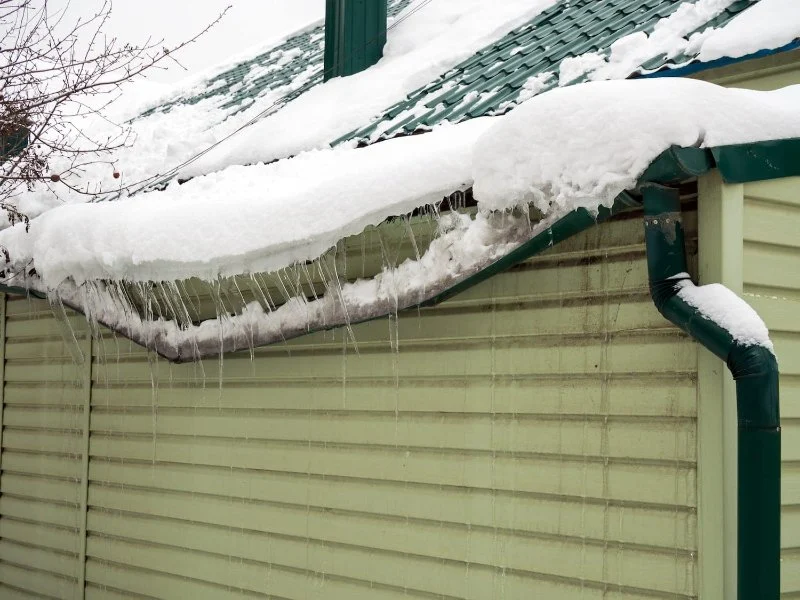
Ice dams are a common winter problem that can cause significant damage to your roof, walls, and ceilings. They form when heat from your home causes snow on the roof to melt, only for the water to refreeze at the eaves, creating a dam. As the ice builds up, water can back up under the shingles and leak into your home, leading to water damage, mold, and structural issues.
Ice dams are particularly problematic in regions with cold winters, such as Canada. Homeowners often overlook the risks until it's too late, and the damage becomes costly to repair. Understanding how ice dams form and the impact they can have on your roof is essential to taking proactive measures to prevent them.
2. How Ice Dams Cause Water Damage
When ice dams form on your roof, they trap water behind them. This trapped water can seep into your home, causing leaks in the attic, walls, and ceilings. Over time, this can lead to major damage, including:
SGM Construction Roofing / sgmconstruction.ca
287 Epsom Downs Dr, North York, ON M3M 1T5, Canada
1. Roof Leaks
As water backs up behind the ice dam, it forces its way under the shingles. This can cause shingles to lift, leading to leaks inside your home. Roof leaks can cause significant damage to your insulation, wood framing, and drywall, often requiring expensive repairs.
2. Mold and Mildew
Prolonged exposure to moisture from ice dams can create the perfect conditions for mold and mildew growth. Mold can spread quickly in hidden areas like the attic, causing health risks and structural damage.
3. Damaged Insulation
Water infiltration caused by ice dams can also damage your attic insulation, reducing its effectiveness. Wet insulation can lead to energy loss and higher heating costs, as well as creating an environment conducive to mold growth.
4. Wood Rot
Continuous exposure to water can cause the wood framing of your roof and ceilings to rot. This compromises the structural integrity of your home and may require costly repairs or even replacement of damaged wood components.
3. Methods for Preventing Ice Dams on Your Roof
Preventing ice dams requires a combination of proper roof maintenance and measures that reduce heat buildup in the attic. Here are some effective methods to protect your roof from ice dam formation:
1. Improve Attic Insulation
One of the primary causes of ice dams is heat loss from your home, which melts the snow on the roof. Adding adequate insulation to your attic can help maintain a consistent temperature, preventing heat from escaping and melting the snow. Ensure that your attic is properly insulated to prevent warm air from reaching the roof.
2. Install a Vapor Barrier
In addition to insulation, installing a vapor barrier can help control moisture levels in the attic. This barrier prevents warm, moist air from rising into the attic, reducing the likelihood of ice dams forming.
3. Seal Air Leaks
Check for air leaks in your attic, particularly around vents, light fixtures, and exhaust pipes. Sealing these leaks with weatherstripping or caulk can prevent warm air from escaping and causing snow to melt on the roof.
4. Install Roof and Attic Ventilation
Proper attic ventilation is essential for regulating the temperature of your roof. Installing soffit vents, ridge vents, and gable vents allows cool air to enter and warm air to escape, keeping the roof temperature consistent and preventing ice dams from forming.
5. Use Ice and Water Shield
If you're replacing your roof or installing a new one, consider using an ice and water shield underlayment. This special membrane is applied along the eaves and valleys of your roof to create a waterproof barrier, preventing water from seeping in behind shingles even if ice dams form.
4. Roof Maintenance Tips for Winter Protection
In addition to taking steps to prevent ice dams, regular roof maintenance is essential to ensure your roof remains in good condition throughout the winter months. Here are some important winter roof care tips:
1. Clear Debris from Gutters
Clogged gutters can trap water and ice on the roof, exacerbating the risk of ice dams. Regularly clear your gutters of leaves, twigs, and other debris to ensure proper water flow. Consider installing gutter guards to prevent debris buildup.
2. Inspect Your Roof
Before winter sets in, inspect your roof for damaged or missing shingles. If you find any areas that need attention, repair them promptly to prevent water from leaking into your home. It's also a good idea to check for any signs of wear around flashings, vents, and skylights.
3. Remove Snow from the Roof
If heavy snow accumulates on your roof, use a roof rake to remove it, especially near the eaves. Be sure to avoid damaging your shingles, and always work carefully from the ground. Removing snow promptly can reduce the risk of ice dams forming.
5. Real Life Case Study: Preventing Ice Dams and Water Damage
In Ontario, a homeowner named Sarah noticed water stains on her ceiling after a particularly snowy winter. After investigating, she discovered that ice dams had formed along the eaves of her roof, causing water to seep into her attic and cause significant damage. The water stains spread across the ceiling, and the attic insulation was soaked, causing a spike in her heating bills.
Sarah hired a professional roofing contractor to address the issue, who recommended improving attic insulation, sealing air leaks, and installing better ventilation. She also had an ice and water shield installed along the eaves during her roof replacement. After taking these measures, Sarah no longer experienced ice dam problems, and her home was protected from further water damage.
This case highlights the importance of proactive measures in preventing ice dams and water damage. By addressing the root causes of ice dams and performing regular roof maintenance, homeowners can avoid costly repairs and ensure their homes remain safe and dry during the winter months.
If you're concerned about ice dams or water damage to your roof, visit Pickering Roofing for expert advice, roofing solutions, and professional installation services.
 Premier Roofing4.0 (20 reviews)
 Roomi's Roofing5.0 (24 reviews)
 MCBM Roofing Services and Contracting LTD4.0 (270 reviews)
 Trinic Toitures Inc.5.0 (21 reviews)
 Walker Contracting4.0 (16 reviews)
 Brault Roofing (SK) Inc.0.0 (0 reviews)
 How Much Does a New Roof Cost in 2025? Canadian Roofing Price Guide
 Top Signs Your Roof Has a Leak and What to Do About It in Canada
 Can You Install a New Roof Over an Old One in Canada?
 The Top Questions to Ask Before Hiring a Roofer in Canada
 What Are the Most Common Roofing Scams and How to Avoid Them in Canada
 How to Prepare Your Home for a Roofing Project in Canada