
- 1. Why Ventilation is Crucial for Roof Overhangs
- 2. How Poor Ventilation Affects Roof Overhangs
- 3. Steps to Properly Ventilate Roof Overhangs
- 4. Types of Ventilation Systems for Roof Overhangs
- 5. Common Mistakes to Avoid When Ventilating Roof Overhangs
- 6. How to Maintain Roof Overhangs for Long-Term Performance
- 7. Where to Find Roof Ventilation Products
1. Why Ventilation is Crucial for Roof Overhangs
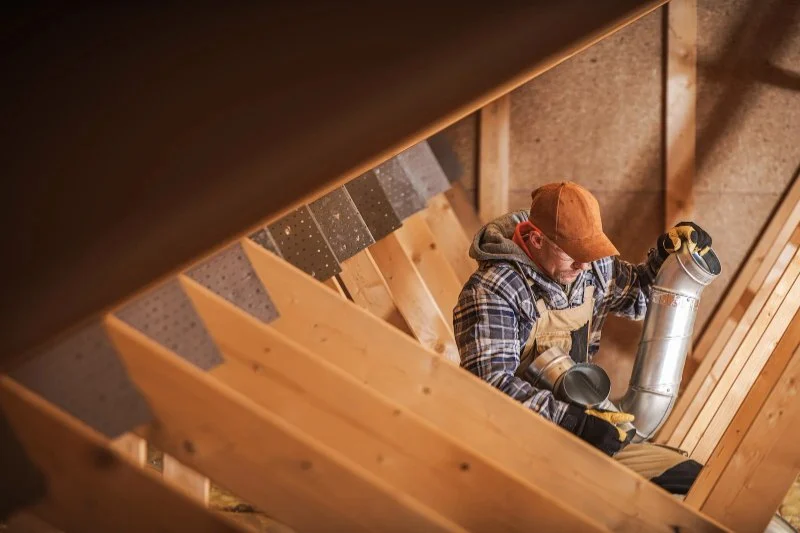
Proper ventilation is a key component in maintaining the health and longevity of roof overhangs. Roof overhangs play a critical role in protecting your home from the elements, preventing water damage, and providing shade. However, without proper ventilation, they can become susceptible to moisture buildup, mold, mildew, and rot, which can significantly shorten the life of the roof and the structure below.
By ensuring adequate airflow, ventilation allows excess moisture to escape and helps regulate temperature, which in turn helps prevent damage to the roof's structure and materials. It also improves energy efficiency by reducing heat buildup in the attic, thus lowering cooling costs in the summer. Whether you're constructing a new home or maintaining an existing one, understanding the importance of ventilating your roof overhangs is essential for long-term durability.

Flynn Canada Ltd. - Toronto / flynn mississauga
MississaugaRegional Municipality of PeelOntario
6435 Northwest Dr, Mississauga, ON L4V 1X1, Canada
2. How Poor Ventilation Affects Roof Overhangs
Poor ventilation can lead to a number of serious issues with your roof overhangs. These problems can significantly impact the integrity and lifespan of your roof:
Flat Roofs Toronto / flat roof repair toronto
1420 Dupont St, Toronto, ON M6H 0C2, Canada
1. Moisture Buildup and Mold
Without adequate airflow, moisture can get trapped in the roof overhangs and attic space. This moisture can cause wood rot, rust, and mold growth, compromising the structural integrity of the roof and leading to expensive repairs. Mold can also pose health risks, making it crucial to keep your roof overhangs properly ventilated.
2. Ice Dams
In colder climates like Canada, poor ventilation can lead to the formation of ice dams. Ice dams occur when heat buildup in the attic causes snow on the roof to melt. The water then refreezes at the edge of the roof, forming a dam that traps additional water. This trapped water can seep into the roof and walls, causing leaks and significant damage.
3. Reduced Roof Lifespan
Over time, the lack of proper ventilation can lead to an overall reduction in the lifespan of the roofing materials. Asphalt shingles, for example, can deteriorate faster when exposed to excessive heat and moisture. This can result in premature aging of the roof, leading to costly replacements long before the roof should naturally wear out.
3. Steps to Properly Ventilate Roof Overhangs
To ensure that your roof overhangs are properly ventilated, follow these simple steps to create an effective ventilation system:
1. Install Soffit Vents
Soffit vents are an essential component of roof ventilation. They are installed along the underside of the roof overhang and allow cool air to enter the attic space. This provides the necessary intake for air circulation, preventing the buildup of heat and moisture. Soffit vents should be installed on both sides of the roof to ensure optimal airflow.
2. Use Ridge Vents
Ridge vents are installed at the peak of the roof and allow hot, moist air to escape from the attic. Combined with soffit vents, ridge vents create a continuous airflow system that promotes ventilation throughout the roof space. This combination ensures that the attic remains cool and dry, helping to prevent damage to your roof and overhangs.
3. Install Ventilation Baffles
Ventilation baffles help ensure that airflow reaches all areas of the attic. These baffles are installed in the attic space between the insulation and the roof decking. They create channels that allow air to move freely from the soffit vents to the ridge vents, preventing insulation from blocking airflow and ensuring consistent ventilation.
4. Types of Ventilation Systems for Roof Overhangs
There are several types of roof ventilation systems, each with its own advantages. The right system for your home will depend on factors such as climate, roof design, and local building codes. Here are the most common types of roof ventilation systems:
1. Passive Ventilation
Passive ventilation systems rely on natural airflow to circulate air through the attic. This includes soffit vents, ridge vents, and gable vents. Passive systems are energy-efficient, as they do not require electricity or mechanical parts to function. However, their effectiveness depends on the design of the roof and the availability of natural airflow.
2. Powered Ventilation
Powered ventilation systems use fans to force air through the attic. These systems are typically used in homes with larger attics or in areas with extreme temperatures. Powered systems can be particularly effective in climates with hot summers or for homes that experience excessive moisture buildup. They require electricity to operate and may be more costly to install and maintain.
3. Hybrid Systems
Hybrid systems combine both passive and powered ventilation, offering the benefits of both approaches. These systems typically use soffit and ridge vents in combination with mechanical fans to improve airflow when necessary. Hybrid systems are versatile and can provide effective ventilation in a variety of conditions.
5. Common Mistakes to Avoid When Ventilating Roof Overhangs
While ventilating your roof overhangs may seem like a straightforward task, there are several common mistakes that homeowners make that can compromise the effectiveness of the ventilation system:
1. Blocking Vents
One of the most common mistakes is blocking soffit or ridge vents with insulation or debris. Blocked vents prevent airflow and can lead to moisture buildup, mold, and other issues. Ensure that vents remain clear and unobstructed at all times.
2. Using Inadequate Ventilation
Some homeowners opt for inadequate or fewer vents to save on installation costs. However, a lack of proper ventilation can lead to long-term roof damage. Make sure you install the correct number and type of vents based on your roof’s size and design to ensure sufficient airflow.
3. Poor Installation
Improper installation of ventilation components, such as soffit vents or ridge vents, can reduce the effectiveness of the system. Always hire a professional roofing contractor to install ventilation systems to ensure they are correctly placed and functional.
6. How to Maintain Roof Overhangs for Long-Term Performance
Regular maintenance is key to ensuring that your roof overhangs and ventilation systems continue to function properly over time:
1. Clean Vents Regularly
Vents can accumulate dirt, debris, and leaves, especially in areas with lots of trees. Make sure to inspect and clean your soffit and ridge vents at least once a year to ensure proper airflow.
2. Check for Blockages
Check for any blockages or damage to your ventilation system, including the soffit vents, ridge vents, and ventilation baffles. Repair or replace any damaged components promptly to maintain effective ventilation.
3. Inspect for Water Damage
Inspect your roof overhangs for signs of water damage, such as stains or rot. Water damage can indicate poor ventilation or moisture buildup in the attic. Address these issues as soon as possible to prevent further damage.
7. Where to Find Roof Ventilation Products
When it comes to choosing high-quality roof ventilation products, visit Pickering Roofing for expert recommendations and a wide selection of vents, baffles, and other ventilation solutions. Our products are designed to help improve your roof’s longevity and ensure optimal ventilation throughout the year.
 High Skillz Roofing Inc | North York - Roof Repair & Replacement Company4.0 (169 reviews)
 Proactive Roofing and Masonry0.0 (0 reviews)
 Libra Envelope Metal Shop5.0 (1 reviews)
 Premier Roofing4.0 (20 reviews)
 LCD Construction Inc.4.0 (30 reviews)
 Repairs Solutions3.0 (6 reviews)
 How Much Does a New Roof Cost in 2025? Canadian Roofing Price Guide
 Top Signs Your Roof Has a Leak and What to Do About It in Canada
 Can You Install a New Roof Over an Old One in Canada?
 The Top Questions to Ask Before Hiring a Roofer in Canada
 What Are the Most Common Roofing Scams and How to Avoid Them in Canada
 How to Prepare Your Home for a Roofing Project in Canada