
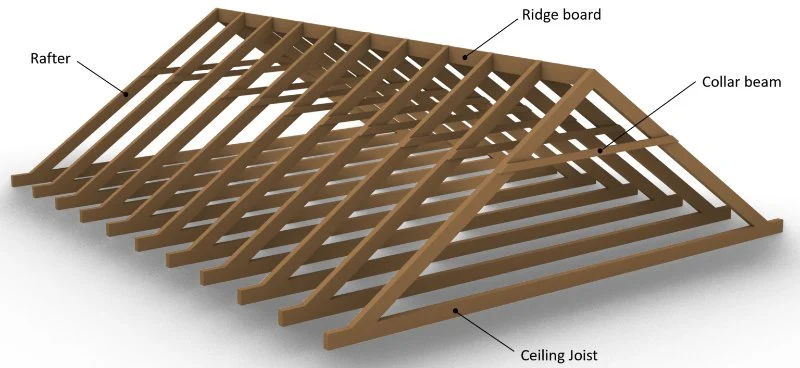
- 1. Understanding Roof Structural Beams and Shifting
- 2. Signs Your Roof Structural Beams Have Settled or Shifted
- 3. Common Causes of Roof Beam Settlement or Shifting
- 4. How to Inspect Your Roof for Beam Shifting or Settlement
- 5. Repairing Settled or Shifted Roof Beams
- 6. Prevention and Maintenance Tips for Roof Beam Shifting
1. Understanding Roof Structural Beams and Shifting
Roof structural beams are vital components of any roof system. They provide support and stability to the roof structure, ensuring that the load from the roof, snow, rain, and other factors are distributed evenly. However, over time, these beams can settle or shift due to various factors like moisture, temperature fluctuations, and the natural settling of the building's foundation.
Shifting or settling of roof beams can lead to a range of problems, from sagging ceilings to more serious structural damage. Understanding how roof beams work and the signs of shifting or settling is essential for homeowners and property managers. Early detection can help prevent costly repairs and ensure the safety and longevity of your home.
Marlad Roofing & Siding Inc / marlad
BramptonRegional Municipality of PeelOntario
30 Hale Rd Unit 14, Brampton, ON L6W 4N9, Canada
2. Signs Your Roof Structural Beams Have Settled or Shifted
There are several indicators that suggest your roof’s structural beams may have settled or shifted. These signs can vary depending on the severity of the movement, but common symptoms include:
- Sagging Roof or Ceiling: One of the most noticeable signs of shifted roof beams is sagging in the roof or ceiling. This can create visible dips or irregularities in the ceiling line, particularly in the center or corners of the room.
- Cracks in Walls or Ceilings: Settlement or shifting of beams can cause pressure on the surrounding structure, leading to cracks in the walls or ceilings. Pay special attention to cracks near the ceiling corners or around windows and doors.
- Uneven Floors: When roof beams shift or settle, the entire building’s structural integrity can be affected. This may result in uneven floors or walls that are no longer plumb.
- Doors and Windows That Don’t Close Properly: Shifting beams can cause misalignment in the door and window frames. As a result, doors and windows may become difficult to open or close, or they may not close fully.
3. Common Causes of Roof Beam Settlement or Shifting
Understanding the causes of roof beam settlement or shifting is essential to preventing future problems. Common factors that contribute to this type of structural movement include:
- Moisture Damage: One of the leading causes of roof beam shifting is water damage. Excess moisture can weaken wood beams, causing them to swell or warp. This often happens in areas with high humidity or after leaks have gone unnoticed for extended periods.
- Foundation Settling: As the foundation of a building settles over time, it can cause shifts in the roof structure. If the foundation moves unevenly, it can create pressure on the roof beams, leading to settlement or shifting.
- Poor Installation: Incorrect installation of roof beams, such as improper alignment or using substandard materials, can lead to early settling or shifting. Ensuring proper design and installation practices is crucial for long-term stability.
- Age and Wear: Over time, the materials used in roof beams—especially wood—can naturally degrade due to aging, exposure to the elements, and wear and tear. This can lead to weakened beams and structural shifts.
4. How to Inspect Your Roof for Beam Shifting or Settlement
Inspecting your roof for signs of beam shifting or settlement should be a priority for homeowners, especially after major weather events or over time in older homes. Here’s how you can perform a basic inspection:
- Visual Inspection: Start by examining your ceilings and walls for visible cracks, sagging, or bowing. Check the attic for any signs of shifting or damage to the structural beams. Pay attention to any signs of water damage, such as stains or mold.
- Measure for Changes: Use a level to measure any unevenness in the roof structure. You can also measure the height of your roof beams to check for any signs of sagging or shifting over time.
- Look for Gaps: Inspect the joints and connections between the beams and other roof components. Gaps or misalignments may indicate that the beams have shifted or settled.
- Professional Inspection: If you suspect significant shifting or settling, it’s important to consult a professional structural engineer or roofer. They have the expertise to conduct a thorough inspection and provide an accurate assessment.
5. Repairing Settled or Shifted Roof Beams
Repairing settled or shifted roof beams requires a careful approach. The process typically involves reinforcing or replacing the affected beams to restore the structural integrity of the roof. Here are the common steps for repairing roof beams:
- Reinforcement: In some cases, the existing beams may be reinforced with additional supports, such as steel braces or additional wooden beams. This can help redistribute the load and prevent further shifting.
- Replacing Damaged Beams: If the beams are severely damaged or weakened, replacing them may be necessary. This involves removing the damaged beams and installing new ones that meet the structural requirements of the roof.
- Leveling the Roof: Once the beams are repaired, the roof may need to be leveled. This process involves adjusting the roof’s structure to ensure it is even and stable.
- Addressing Foundation Issues: If the shifting or settling is caused by foundation problems, it may be necessary to address the foundation itself. Foundation repairs might involve stabilizing the foundation or installing piers to prevent further movement.
6. Prevention and Maintenance Tips for Roof Beam Shifting
Preventing roof beam shifting or settlement involves regular maintenance and attention to the roof structure. Here are some practical tips to prevent problems before they start:
- Regular Roof Inspections: Regularly inspect your roof for signs of damage, wear, or shifting. Early detection can help prevent major issues down the line.
- Maintain Proper Ventilation: Proper attic ventilation can help control moisture levels, preventing the wood beams from becoming weakened or warped due to humidity.
- Address Water Leaks Promptly: Repair any roof leaks immediately to prevent water damage to the structural beams. Ensure gutters and downspouts are clear to avoid water pooling on the roof.
- Strengthen the Foundation: Ensure that the foundation of your home is stable and free from issues like settling or shifting. If you notice signs of foundation damage, have it addressed as soon as possible.
Roof structural beam issues can be costly and dangerous if left unchecked. By being proactive and addressing signs of shifting or settling early, you can save yourself significant repair costs and ensure your roof remains strong and stable for years to come. For more information on roof inspections and repairs, visit Pickering Roofing for expert services and recommendations.

 CHR Roofing3.0 (36 reviews)
 Toitures Concept0.0 (0 reviews)
 Pro Guard Roofing Toronto5.0 (13 reviews)
 Advanced Level Roofing4.0 (102 reviews)
 Newmarket Roofing5.0 (1 reviews)
 Storm Pro Exteriors4.0 (27 reviews)
 How Much Does a New Roof Cost in 2025? Canadian Roofing Price Guide
 Top Signs Your Roof Has a Leak and What to Do About It in Canada
 Can You Install a New Roof Over an Old One in Canada?
 The Top Questions to Ask Before Hiring a Roofer in Canada
 What Are the Most Common Roofing Scams and How to Avoid Them in Canada
 How to Prepare Your Home for a Roofing Project in Canada