
- visible-warning-signs-on-your-roof-surface
- age-and-material-lifespan-in-canadian-climates
- interior-clues-water-damage-and-mould-growth
- energy-efficiency-drop-and-unusual-heating-costs
- real-story-toronto-homeowner-who-waited-too-long
- professional-inspection-and-next-steps
1. Visible Warning Signs on Your Roof Surface
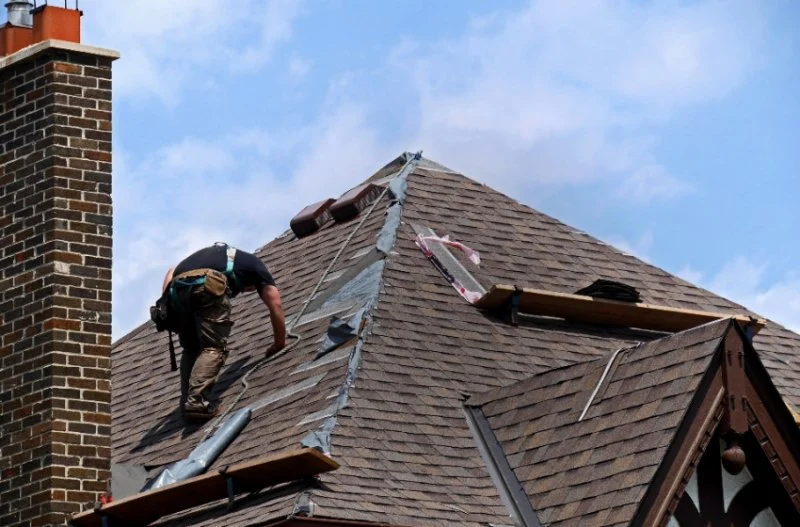
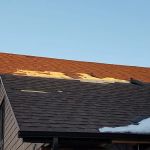
One of the easiest ways to tell if your roof needs replacement is by looking at it. Curled, cracked, or missing shingles are red flags. In Canadian cities like Ottawa and Hamilton, seasonal freeze-thaw cycles can accelerate these signs of wear, especially after a harsh winter.
If you notice granules accumulating in your gutters or bare patches on your roof, these are signs that your shingles have aged out of their protective phase. A homeowner in Pickering noticed that after every rainstorm, their driveway was littered with small granules. A month later, water stains appeared on their ceiling. That’s how quickly exterior damage can lead to interior trouble.
Don’t wait for water to get in—at the first visual sign, connect with Pickering Roofing for an inspection that can determine if a full replacement is necessary.
Ck Roofing Solutions / ck roofing solutions
MarkhamRegional Municipality of YorkOntario
8 Hikers Ln, Markham, ON L6B 0K3, Canada
2. Age and Material Lifespan in Canadian Climates
Another major indicator is the age of your roof. Most asphalt shingle roofs last 15–25 years, depending on materials and conditions. In areas with heavy snowfall or high winds—like Calgary or Winnipeg—roofs tend to age faster than in milder zones.
If your roof is pushing the 20-year mark and hasn't received significant upgrades, you're likely due for a replacement soon. A homeowner in London, Ontario thought their 18-year-old roof looked “good enough”—until a spring thaw revealed moisture under the eaves and a slow attic leak.
Climate plays a huge role in longevity, so local insight matters. Pickering Roofing specializes in evaluating roofs based on real, local weather impacts—not just a one-size-fits-all lifespan chart.

Ottawa Eavestrough Group / eavestrough repair ottawa
340 Albert St, Ottawa, ON K1R 7Y6, Canada
3. Interior Clues: Water Damage and Mould Growth
Sometimes, the signs that your roof needs replacing show up inside first. Water stains on ceilings, bubbling paint, musty smells in the attic, or visible mould are all signs that moisture is getting in through the roof barrier.
These problems are especially dangerous in homes with poor attic ventilation—common in older suburban homes across Ontario and Quebec. In one Brampton residence, a family ignored a small water ring in a corner room for over a year. By the time they called a roofer, the entire attic had mould and required a full remediation, doubling their replacement cost.
If you spot any of these symptoms, it’s time for action. Pickering Roofing can help determine if a new roof will solve the issue or if deeper structural concerns need addressing.
4. Energy Efficiency Drop and Unusual Heating Costs
A lesser-known but powerful indicator that your roof may be failing is a sudden increase in energy bills. A compromised roof often results in poor insulation, making your HVAC system work harder—especially during Canada’s extreme winters or hot summers.
In Mississauga, one homeowner was shocked to see their heating bill jump 40% compared to the previous year. After a thermal inspection revealed heat loss through the attic, they replaced the roof and improved insulation in the process. Their energy use normalized—and the home became more comfortable overall.
If your energy costs are creeping up without explanation, it might be more than just windows or an aging furnace. Book a consultation with Pickering Roofing to explore whether your roof is the hidden culprit.
5. Real Story: Toronto Homeowner Who Waited Too Long
Take the example of Daniel, a Toronto resident who ignored early signs like curling shingles and a small leak in the hallway. He figured it could wait another year. That winter, ice dams formed due to poor drainage and insulation, causing meltwater to leak into the drywall and hardwood flooring.
The final damage? Over $15,000 in roof replacement and interior restoration. His biggest regret? “Not replacing the roof sooner, when it would have been half the cost and none of the stress.”
This is a cautionary tale that many homeowners can relate to. Don’t ignore small issues—because in Canada’s climate, they rarely stay small. Consult the experienced team at Pickering Roofing before your minor problems become major ones.
6. Professional Inspection and Next Steps
While homeowners can identify surface symptoms, a professional inspection goes deeper. Certified roofers examine your roof deck, flashing, underlayment, and ventilation to determine structural integrity and lifespan.
They also provide written reports and quotes for insurance or real estate transactions, which is especially helpful if you’re considering selling or refinancing. And unlike quick visual checks, a professional will look at local climate impact, code compliance, and potential savings with newer materials.
To get a trusted evaluation tailored to your home, Pickering Roofing offers comprehensive inspections and personalized guidance—whether you're planning a future replacement or facing urgent concerns today.
 Baraco Roofing Services Inc5.0 (4 reviews)
 First Choice Roofing & Renovations5.0 (1 reviews)
 J L Dufour Roofing Services Ltd4.0 (20 reviews)
 Companion Roofing5.0 (30 reviews)
 Guaranteed Roofing4.0 (33 reviews)
 Kelly & Sons4.0 (16 reviews)
 How Much Does a New Roof Cost in 2025? Canadian Roofing Price Guide
 Top Signs Your Roof Has a Leak and What to Do About It in Canada
 Can You Install a New Roof Over an Old One in Canada?
 The Top Questions to Ask Before Hiring a Roofer in Canada
 What Are the Most Common Roofing Scams and How to Avoid Them in Canada
 How to Prepare Your Home for a Roofing Project in Canada