
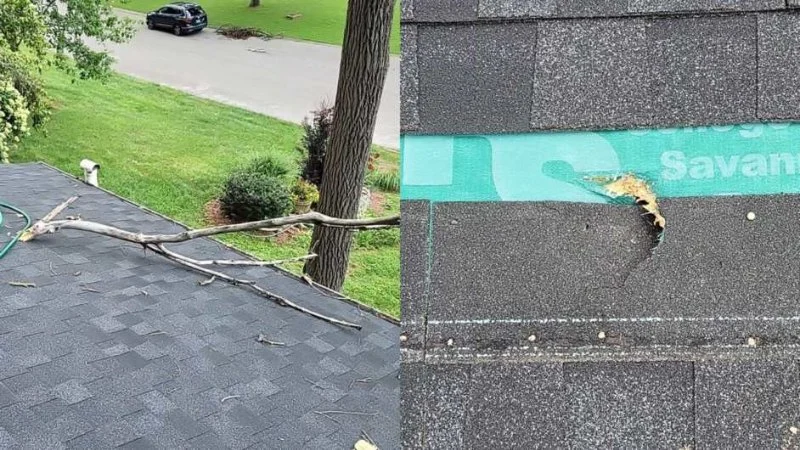
How Tree Branches Can Damage Your Roof Over Time
- 1- How Tree Branches Affect Your Roof
- 2- Common Types of Roof Damage Caused by Trees
- 3- Preventing Damage from Tree Branches
- 4- When to Call a Roofing Professional
1- How Tree Branches Affect Your Roof
Tree branches may seem harmless, but they can pose significant risks to your roof, especially over time. The main way tree branches affect your roof is through physical damage caused by the weight of branches or debris, as well as moisture buildup. In high winds, branches can scrape against your roof, causing wear and tear on the shingles or tiles. Falling branches can cause direct damage, breaking tiles or puncturing the roofing material, leading to costly repairs. Additionally, leaves and twigs can collect in gutters, leading to clogs that restrict water flow and cause damage to the roof’s structural integrity.
Ottawa Eavestrough Group / eavestrough repair ottawa
340 Albert St, Ottawa, ON K1R 7Y6, Canada
2- Common Types of Roof Damage Caused by Trees
Several types of roof damage are caused by overhanging tree branches, and being aware of them can help you avoid costly repairs:
- Scratching and Abrasion: Over time, branches rubbing against the surface of your roof can wear down shingles, leading to leaks.
- Falling Branches: Large branches or even entire trees can fall onto your roof, cracking tiles and damaging the structure.
- Clogged Gutters: Leaves and debris falling from branches can clog your gutters, leading to water backup and potential leaks.
- Moss and Mold Growth: Moisture trapped by branches can encourage moss and mold growth on your roof, which can weaken shingles and the roof’s structure.
3- Preventing Damage from Tree Branches
Preventing damage from tree branches involves regular maintenance and monitoring of your trees. Here are a few tips:
- Trim Overhanging Branches: Regularly trimming branches that hang over your roof will reduce the risk of scraping and falling debris.
- Clear Gutters Regularly: Ensure that gutters are cleared of leaves and debris so that water flows freely and doesn’t accumulate on your roof.
- Inspect Trees for Stability: A weak or dead tree can become a serious hazard to your roof. Consider removing trees that are near your house and show signs of decay.
- Use Protective Roofing Materials: Some modern roofing materials are designed to resist scratching and wear from tree branches, making them more durable in tree-lined areas.
4- When to Call a Roofing Professional
While regular maintenance can go a long way in preventing roof damage, sometimes tree-related issues are beyond the scope of DIY repairs. If you notice signs of damage such as leaks, missing shingles, or water stains on your ceiling, it’s time to call a professional roofing contractor. Roofing professionals can assess the damage, ensure your roof is properly repaired, and even advise you on tree maintenance to prevent future issues. Additionally, if there is a large branch or tree that has fallen onto your roof, don’t attempt to remove it yourself. Call a professional who has the proper tools and expertise to safely handle the situation.
Tree branches may add beauty to your landscape, but when they’re too close to your home, they can cause significant damage to your roof. By taking proactive steps like trimming branches, clearing gutters, and regularly inspecting your roof, you can extend the life of your roof and avoid costly repairs. Don’t hesitate to reach out to a professional roofing service if you suspect damage or need assistance with tree-related roof issues.
 SH Roofing Aluminum4.0 (8 reviews)
 Trevor's Roof Repairs4.0 (46 reviews)
 Sunroofing & Remodelling4.0 (12 reviews)
 Rhino Roofing and building3.0 (1 reviews)
 Full Metal Roofs5.0 (33 reviews)
 NorthCan Roofing Inc.5.0 (23 reviews)
 How Much Does a New Roof Cost in 2025? Canadian Roofing Price Guide
 Top Signs Your Roof Has a Leak and What to Do About It in Canada
 Can You Install a New Roof Over an Old One in Canada?
 The Top Questions to Ask Before Hiring a Roofer in Canada
 What Are the Most Common Roofing Scams and How to Avoid Them in Canada
 How to Prepare Your Home for a Roofing Project in Canada