
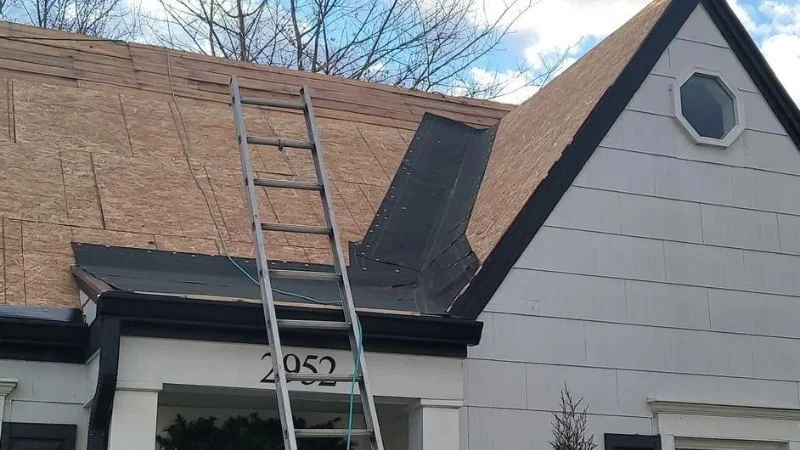
- 1- What is Roof Underlayment?
- 2- Why is Roof Underlayment Important for Ice Dam Prevention?
- 3- How Do Ice Dams Form and Cause Leakbacks?
- 4- How Does Roof Underlayment Work to Prevent Ice Dam Leakbacks?
- 5- The Best Types of Roof Underlayment for Ice Dam Protection
1. What is Roof Underlayment?
Roof underlayment is a protective layer installed directly under roofing materials, such as shingles or tiles. It acts as an additional barrier to water, preventing moisture from infiltrating the roof structure. Typically made of felt, rubberized asphalt, or synthetic materials, underlayment helps to ensure the longevity and integrity of the roof, especially during harsh weather conditions like heavy rain or snow.
In colder climates like Canada, roof underlayment becomes even more crucial, as it plays a significant role in preventing ice dam issues. By offering an extra layer of protection, underlayment can help preserve the roof's durability and safeguard the interior of your home from potential water damage.

Custom Contracting Burlington Roofing & Eavestrough Repair Burlington / eavestrough burlington
BurlingtonRegional Municipality of HaltonOntario
687 Waterloo St, Burlington, ON L7R 2S9, Canada
2. Why is Roof Underlayment Important for Ice Dam Prevention?
Roof underlayment is essential for preventing ice dams, a common issue during the winter months in areas that experience freezing temperatures. Ice dams form when warm air in the attic causes snow on the roof to melt, and the water runs down to the eaves. Once the water reaches the colder eaves, it refreezes, creating a barrier of ice that can trap water behind it.
Without proper protection, this trapped water can back up under the shingles and leak into the roof, causing significant damage to both the structure and the interior of the home. By providing an extra layer of waterproofing, roof underlayment helps to prevent this issue, allowing water to flow freely off the roof without backing up and causing damage.
Ck Roofing Solutions / ck roofing solutions
MarkhamRegional Municipality of YorkOntario
8 Hikers Ln, Markham, ON L6B 0K3, Canada
3. How Do Ice Dams Form and Cause Leakbacks?
Ice dams occur due to a combination of warm and cold temperatures, typically when the attic is inadequately insulated. The warmth from the attic causes the snow on the roof to melt, with the water running down towards the eaves, which are colder. When the temperature is low enough, the water refreezes at the eaves, forming an ice dam.
As the ice builds up, it creates a barrier that prevents water from flowing off the roof. The water behind the ice dam can seep under the shingles, causing leaks that damage the roof structure, insulation, walls, and ceilings. Over time, this can lead to rot, mold growth, and other severe structural issues.
4. How Does Roof Underlayment Work to Prevent Ice Dam Leakbacks?
Roof underlayment serves as a barrier that helps redirect water that may seep through the shingles, preventing it from infiltrating the roofing system. Specifically, when an ice dam forms, the underlayment provides a waterproof layer that helps prevent water from reaching the decking and other vulnerable areas of the roof.
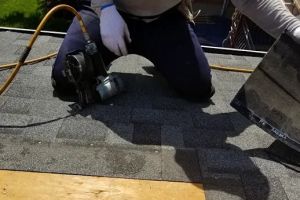
In addition, modern roof underlayments, such as self-adhesive membranes, can create a seal around nails and fasteners, preventing water from seeping through these potential weak spots. This is especially important for protecting the areas where ice dams tend to form—at the eaves of the roof, where water runoff is most likely to freeze.
5. The Best Types of Roof Underlayment for Ice Dam Protection
When choosing the best underlayment for preventing ice dams, it's important to consider the material and its specific properties. Here are a few of the most effective types of roof underlayment:
- Self-Adhesive Membranes: These underlayments are ideal for ice dam prevention because they form a waterproof seal, making them especially effective along the eaves. They are self-sealing around nails, providing superior protection against water infiltration.
- Rubberized Asphalt: This material is known for its flexibility and waterproofing capabilities. It provides an excellent barrier against water, making it a popular choice for roofs in areas prone to ice dams.
- Synthetic Underlayment: A newer option, synthetic underlayments are lightweight, durable, and highly resistant to water. These are often used in place of traditional felt, offering superior protection and performance in extreme conditions.
- Felt Underlayment: While felt is a more traditional option, it can still be effective for ice dam prevention when used in conjunction with other forms of roofing protection. It's also more affordable than some synthetic or rubberized options.
Choosing the right type of underlayment depends on the specific needs of your roof, your budget, and the climate conditions in your area. Be sure to consult with a professional roofing contractor to ensure you're selecting the best material for your home.
To protect your home from potential water damage caused by ice dams, ensure that your roof underlayment is installed correctly. For more information and expert advice, visit Reliable Damage Hub, where you can find the best products and services to safeguard your roof this winter.

 Royal Roofing Ltd. Saskatoon1.0 (2 reviews)
 Armour Shield Roofing London4.0 (122 reviews)
 Bellissimo Roofing & Exteriors4.0 (36 reviews)
 Sam Bowers Roofing Inc4.0 (32 reviews)
 G & G Roofing And Renovations5.0 (29 reviews)
 Georgian Bay Roofing1.0 (1 reviews)
 How Much Does a New Roof Cost in 2025? Canadian Roofing Price Guide
 Top Signs Your Roof Has a Leak and What to Do About It in Canada
 Can You Install a New Roof Over an Old One in Canada?
 The Top Questions to Ask Before Hiring a Roofer in Canada
 What Are the Most Common Roofing Scams and How to Avoid Them in Canada
 How to Prepare Your Home for a Roofing Project in Canada