
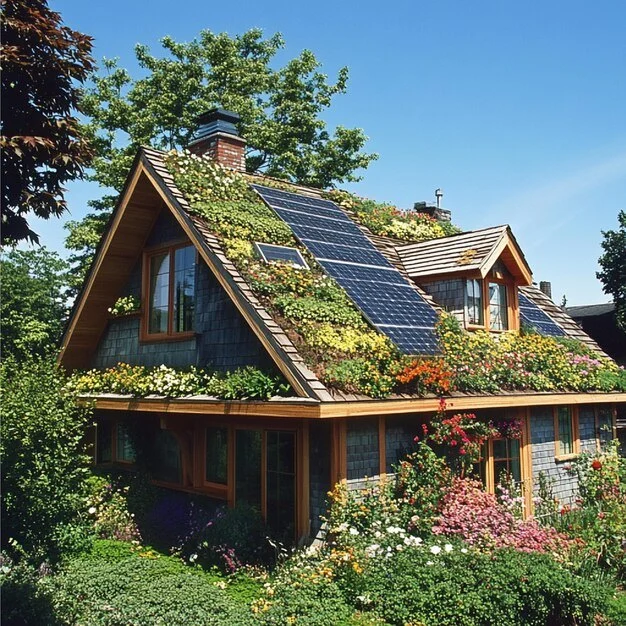
Recycled Roofing Materials: How Green Are They Really?
As the demand for sustainable construction grows, recycled roofing materials have become an increasingly popular option for homeowners and builders looking to reduce their environmental footprint. While the idea of "green" roofing solutions is appealing, it’s important to understand how truly eco-friendly these materials are. In this article, we’ll explore the benefits, challenges, and practicalities of using recycled roofing materials, helping you determine if they are the right choice for your home or building project.
- 1. Why Choose Recycled Roofing Materials?
- 2. Types of Recycled Roofing Materials
- 3. Benefits and Challenges of Recycled Roofing
- 4. Installation and Maintenance of Recycled Roofing
1. Why Choose Recycled Roofing Materials?
Recycling is one of the easiest and most effective ways to contribute to sustainability, and roofing materials are no exception. By choosing recycled roofing, homeowners can help divert waste from landfills while benefiting from durable, cost-effective roofing solutions.
1.1 Environmental Impact
Traditional roofing materials often involve significant resource extraction and energy use during production. By opting for recycled materials, you can reduce the need for new raw materials, lowering your carbon footprint. Moreover, recycled roofing materials are typically made from post-consumer or post-industrial waste, making them an excellent option for those looking to reduce their impact on the environment.

Flynn Canada Ltd. - Toronto / flynn mississauga
MississaugaRegional Municipality of PeelOntario
6435 Northwest Dr, Mississauga, ON L4V 1X1, Canada
1.2 Cost Savings
Recycled roofing materials are often more affordable than their new counterparts. This can lead to significant cost savings, especially for large roofing projects. Additionally, many recycled materials come with warranties and can last as long as traditional materials, making them a great investment in the long run.
2. Types of Recycled Roofing Materials
There are various types of recycled roofing materials available today. Let’s look at some of the most popular options:
2.1 Recycled Asphalt Shingles
Recycled asphalt shingles are one of the most commonly used types of recycled roofing. Made from old asphalt shingles, these materials are repurposed and turned into new shingles for roofs. They are durable, easy to install, and highly effective at providing water resistance. Many asphalt shingle manufacturers now offer shingles made from at least 20% recycled materials, reducing the overall environmental impact.
2.2 Metal Roofing Made from Recycled Steel
Metal roofing is another great option for sustainable roofing. Steel is one of the most commonly recycled materials, and metal roofing made from recycled steel is durable, energy-efficient, and requires little maintenance. Recycled metal roofs can last for decades, reducing the need for replacements and further waste generation.
2.3 Recycled Rubber Roofing
Rubber roofing made from recycled tires is a highly durable and eco-friendly option. Recycled rubber shingles or membranes are ideal for flat roofs or commercial buildings, as they are resistant to water, fire, and extreme temperatures. Additionally, rubber roofing materials help reduce the amount of tire waste in landfills, contributing to a greener environment.
2.4 Recycled Wood and Slate Roofing
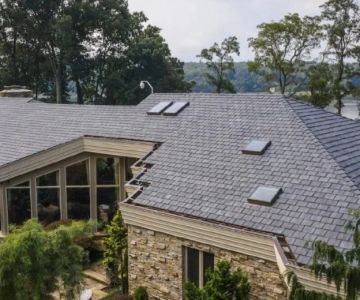
For a more natural look, recycled wood and slate shingles are great options. These materials are sourced from old buildings and structures, offering a rustic, high-end look while contributing to environmental sustainability. Although less common than asphalt or metal roofing, recycled wood and slate are incredibly durable and offer a unique aesthetic.
3. Benefits and Challenges of Recycled Roofing
Recycled roofing materials offer a range of advantages, but they also come with some challenges. Here’s a closer look at the pros and cons:
3.1 Benefits of Recycled Roofing
- Environmental Benefits: Recycled materials reduce landfill waste and lessen the need for raw materials, lowering the environmental impact.
- Cost-Effective: Recycled roofing materials are typically more affordable, offering a cost-saving option for homeowners.
- Durability: Many recycled materials are just as durable as traditional roofing materials, with some offering longer lifespans and greater weather resistance.
- Energy Efficiency: Some recycled roofing materials, especially metal, offer better insulation properties, which can help lower energy costs over time.
3.2 Challenges of Recycled Roofing
- Availability: Depending on where you live, recycled roofing materials may be harder to find or require special ordering.
- Variety: While there are many recycled roofing options, they may not be available in as many colors or styles as traditional materials, limiting aesthetic choices.
- Installation: Certain recycled materials, like rubber or recycled slate, may require more specialized installation techniques and may be more expensive to install than standard materials.
4. Installation and Maintenance of Recycled Roofing
Installing and maintaining recycled roofing materials is similar to traditional roofing, though it’s important to follow the specific guidelines for each material type. Here’s an overview of what to expect:
4.1 Installation Process
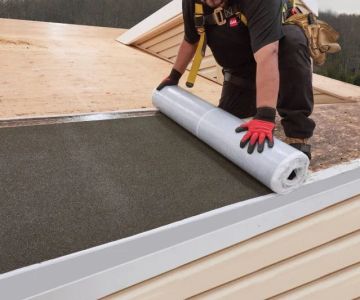
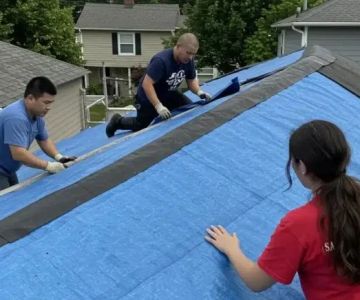
Recycled roofing materials should be installed by professional roofing contractors to ensure proper setup and long-lasting performance. Some materials, such as recycled asphalt shingles or metal roofs, are relatively easy to install, while others, such as recycled slate or rubber, may require specialized skills. Be sure to choose a contractor with experience working with these materials for the best results.
4.2 Regular Maintenance
Like any roof, recycled roofing materials require regular maintenance to ensure they remain in good condition. Inspections should be conducted at least once a year to check for damage, debris buildup, and any issues with seals or seams. Promptly addressing any issues will help extend the life of your roof and maintain its performance.
4.3 Cleaning and Care
To keep your recycled roofing in top condition, regular cleaning is essential. Depending on the material, this may include rinsing off debris, cleaning gutters, and ensuring that there is no buildup that could cause water damage. Be sure to follow the manufacturer’s guidelines for cleaning and maintaining your roofing materials.
If you’re considering installing recycled roofing materials, explore the options available at Pickering Roofing for expert advice and the best products suited to your needs. Whether you're building a new home or renovating an existing one, the right recycled roofing material can make a significant difference in both sustainability and cost.
 Heritage Roofing4.0 (4 reviews)
 The Roofers5.0 (120 reviews)
 Keyline Roofing5.0 (11 reviews)
 BC ROOFING INC4.0 (56 reviews)
 Great Canadian Roofing & Siding4.0 (102 reviews)
 Murcar Roofing & Contracting Services5.0 (1 reviews)
 How Much Does a New Roof Cost in 2025? Canadian Roofing Price Guide
 Top Signs Your Roof Has a Leak and What to Do About It in Canada
 Can You Install a New Roof Over an Old One in Canada?
 The Top Questions to Ask Before Hiring a Roofer in Canada
 What Are the Most Common Roofing Scams and How to Avoid Them in Canada
 How to Prepare Your Home for a Roofing Project in Canada