
- roof-sealants-and-cold-weather-performance - Why Roof Sealants Behave Differently in Canadian Winters
- silicone-sealants-for-harsh-conditions - Silicone Options Built to Handle Extreme Cold
- polyurethane-sealants-strength-and-durability - Polyurethane Sealants and Their Strong Bonding Capabilities
- asphalt-based-sealants-in-freezing-climates - Asphalt-Based Sealants and Their Role on Traditional Roofs
- case-studies-and-cold-weather-challenges - Real Canadian Cases That Reveal What Works
- how-to-choose-the-right-sealant - How to Choose the Best Option for Your Home and Climate
1. Why Roof Sealants Behave Differently in Canadian Winters
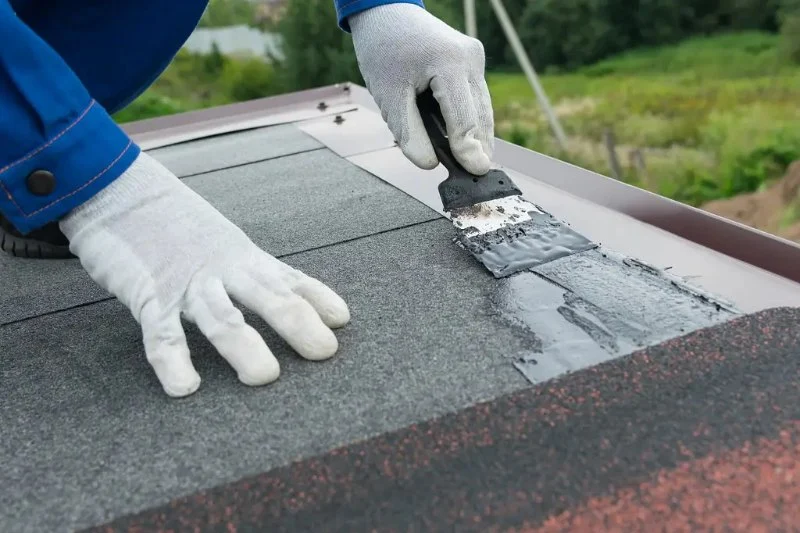
The topic of Reliable Roof Sealants: What Works Best in Cold Weather matters deeply for Canadian homeowners because temperatures often swing from above freezing to blistering cold within hours. Sealants that perform well in mild climates can fail quickly when exposed to snow, ice, and sudden freeze–thaw cycles. When temperatures dip, roofing materials contract, gaps widen, and moisture becomes a silent threat.
Sealants must remain flexible, maintain adhesion, and resist cracking even when the thermometer plunges. Canadian winters—from Ontario lake-effect storms to the prairies’ biting winds—demand products that deliver consistent performance under stress. Many homeowners increasingly rely on expert insights found through trusted sources such as Pickering Roofing to make informed choices that protect their home over long, harsh seasons.

GoldHill Roofing / goldhill
526 Welham Rd Unit 1, Barrie, ON L4N 8Z7, Canada
2. Silicone Options Built to Handle Extreme Cold
Silicone-based sealants are often considered the champions of cold-weather performance. They maintain elasticity even at temperatures far below freezing and have strong resistance to UV radiation—an important factor since sunlight reflecting off snow can intensify UV exposure.
Vancouver Moss Removal / moss removal near me
VancouverMetro VancouverBritish Columbia
1615 Frances St #105, Vancouver, BC V5L 1Z3, Canada
2.1 Flexibility Under Freezing Temperatures
Silicone sealants stay pliable and rubber-like, even at -30°C or lower. Unlike some other materials, they avoid the brittleness that causes cracking or separation along roof seams.
2.2 Resistance to Moisture and Ice
Another key advantage is silicone’s waterproof nature. When ice forms and melts repeatedly, a roof experiences constant moisture stress. Silicone sealants resist this intrusion, making them a reliable option for metal roofs, flat roofs, and asphalt shingles alike.
2.3 Best Use Cases in Canada
Silicone shines in coastal regions such as British Columbia, where moisture is high, as well as in snow-heavy areas like Quebec where freeze–thaw cycles transition rapidly. This material has become a go-to solution for homeowners who need a product that will outlast demanding seasonal shifts.
3. Polyurethane Sealants and Their Strong Bonding Capabilities
Polyurethane sealants are valued for offering a strong adhesive bond that works particularly well with a variety of roofing surfaces including wood, metal, and asphalt. Their durability and abrasion resistance make them an appealing option for roofs that experience physical stress, such as snow-load pressure.
3.1 Why Polyurethane Remains a Popular Choice
These sealants hold up exceptionally well when exposed to moving joints or areas prone to expansion and contraction. Their toughness enables them to survive periods of blown snow, hail, and freeze-driven shifting that many Canadian roofs endure.
3.2 Limitations in Harsh Cold
Although sturdy, polyurethane can be harder to apply in extremely low temperatures due to slower curing times. Homeowners often need professional guidance to schedule proper installation periods—something easily arranged by consulting experts at Pickering Roofing.
3.3 When Polyurethane Performs Best
Polyurethane sealants are ideal for structural roof joints, wooden surfaces, and areas subject to foot traffic, such as maintenance walkways. Their long-lasting adhesion makes them a favorite for homeowners who prioritize durability over ease of application.
4. Asphalt-Based Sealants and Their Role on Traditional Roofs
Asphalt-based sealants have been used in Canadian roofing systems for decades. While not as advanced as silicone or polyurethane, they remain practical for certain applications—especially on older roofs constructed with asphalt shingles.
4.1 Temperature Sensitivity
Asphalt sealants can become stiff and challenging to work with in freezing temperatures. However, once properly cured, they provide acceptable waterproofing for shingles and flashing areas exposed to the elements.
4.2 Ideal Situations for Asphalt Sealants
This option works best during mild winter days or early fall, when application temperatures are manageable. For older homes needing spot repairs or temporary fixes, asphalt remains a budget-friendly choice.
4.3 Using Asphalt Safely and Effectively
Because asphalt products are sensitive to temperature during application, installing them without proper weather conditions can lead to early failure. Homeowners looking for long-term reliability in harsh climates should consider pairing asphalt with another more resilient product or seeking professional insights.
5. Real Canadian Cases That Reveal What Works
A memorable example shared widely online involved a homeowner in Winnipeg who noticed persistent leaks after winter storms. Despite multiple patch attempts with a generic sealant, the problem worsened. After switching to a cold-rated silicone sealant, the leaks finally stopped—even during a subsequent deep freeze.
In another case from Northern Ontario, a family experienced shingle lifting during a severe cold snap. An inspection revealed that an asphalt sealant applied earlier in the season had cracked in the cold. A polyurethane option was later used, providing better adhesion through fluctuating temperatures and snow loads. These experiences highlight the value of choosing the right product for cold climates from the beginning.
6. How to Choose the Best Option for Your Home and Climate
Selecting the best sealant depends on factors such as roof type, temperature conditions, local weather patterns, and long-term maintenance plans. Silicone is typically the most versatile choice, particularly for extreme cold. Polyurethane suits homeowners who need strong bonding on high-stress surfaces, while asphalt works for traditional shingle repairs in moderate conditions.
Canadian climates vary widely—from the wet, mild Pacific Coast to the frigid central plains—so having guidance from a knowledgeable team is essential. Many homeowners turn to Pickering Roofing to identify the most suitable option for their roof and ensure correct application that stands up to winter’s toughest challenges.
Understanding how different sealants perform in cold weather empowers you to protect your roof, reduce future repair costs, and maintain a safe, comfortable home year-round.
 AYB Roofing5.0 (9 reviews)
 Thorpe Industries Ltd.2.0 (10 reviews)
 HeFeng Roofing5.0 (5 reviews)
 Pristine Roofing & Siding4.0 (123 reviews)
 Premium Roofing Inc.5.0 (1 reviews)
 Triad Roofing4.0 (27 reviews)
 How Much Does a New Roof Cost in 2025? Canadian Roofing Price Guide
 Top Signs Your Roof Has a Leak and What to Do About It in Canada
 Can You Install a New Roof Over an Old One in Canada?
 The Top Questions to Ask Before Hiring a Roofer in Canada
 What Are the Most Common Roofing Scams and How to Avoid Them in Canada
 How to Prepare Your Home for a Roofing Project in Canada