
- 1. Introduction to Roof Sealants and Cold Weather
- 2. Factors to Consider When Choosing a Roof Sealant
- 3. Types of Roof Sealants for Cold Weather
- 4. Top Roof Sealants for Cold Climates
- 5. Application and Maintenance Tips
1. Introduction to Roof Sealants and Cold Weather
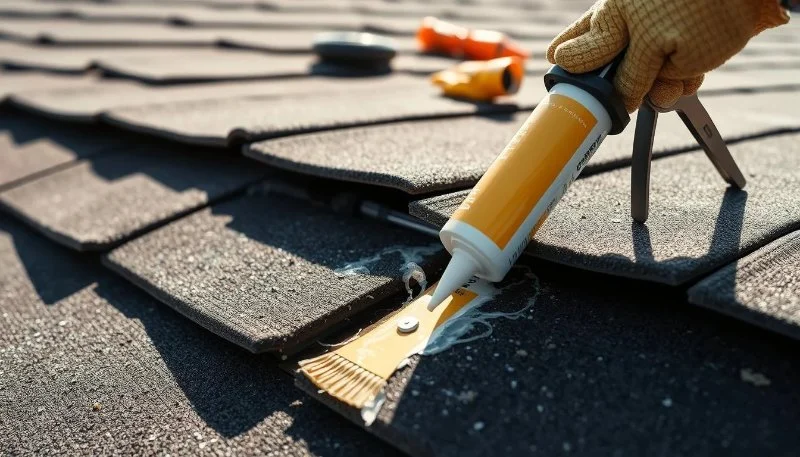
Roof sealants play an essential role in protecting your home, especially during harsh winter conditions. In Canada, where temperatures can drop well below freezing, it’s crucial to choose the right sealants that can withstand extreme cold and prevent water, ice, and snow from damaging your roof. Poorly sealed roofs can lead to leaks, mold growth, and costly repairs down the line. This article will explore the best roof sealants for cold weather and how they work to protect your home.
In regions with long winters and frequent snowfall, the importance of using reliable sealants cannot be overstated. Whether you're dealing with roof leaks, ice dams, or just routine maintenance, ensuring that your roof is properly sealed can save you time, money, and stress in the future.
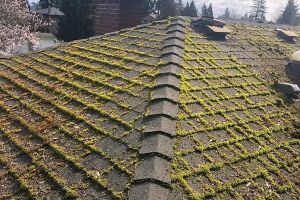
Vancouver Moss Removal / moss removal north vancouver
VancouverMetro VancouverBritish Columbia
1615 Frances St #105, Vancouver, BC V5L 1Z3, Canada
2. Factors to Consider When Choosing a Roof Sealant
Choosing the right roof sealant for cold weather involves more than just picking the first product you see. Several factors must be considered to ensure that your roof stays protected during the coldest months. Below are some of the critical aspects to keep in mind:
- Temperature Range: Make sure the sealant you choose is designed to perform in sub-zero temperatures. Not all sealants are formulated to work in cold conditions, so check the product specifications carefully.
- Elasticity: Roof sealants must be flexible enough to handle temperature fluctuations. As the weather gets colder and warmer, your roof will expand and contract. A sealant with high elasticity will prevent cracking and maintain its effectiveness.
- Water Resistance: Water resistance is vital in preventing leaks and ice dams. Choose sealants that provide a waterproof barrier to keep moisture from infiltrating your roof.
- Durability: Cold weather can take a toll on your roof, so the sealant needs to be long-lasting. Look for sealants with high durability that can withstand the freezing and thawing cycles without deteriorating quickly.
3. Types of Roof Sealants for Cold Weather
There are several types of roof sealants available, each suited to different needs and roofing materials. Below are the most common types of sealants used in cold weather:
- Silicone Sealants: Silicone is one of the best materials for sealing roofs in cold weather. It remains flexible in extremely low temperatures, provides excellent waterproofing, and can be applied even in wet conditions.
- Polyurethane Sealants: Polyurethane sealants are known for their strong adhesion properties and resistance to weathering. They work well in cold climates, offering protection against both moisture and UV degradation.
- Acrylic Roof Sealants: Acrylic sealants are another good option for cold-weather climates. They are often less expensive than silicone and polyurethane but still offer solid protection against the elements. However, they may require reapplication over time as they can crack in extreme conditions.
- Butyl Rubber Sealants: Butyl rubber sealants are ideal for cold weather as they provide excellent waterproofing and remain flexible at low temperatures. These are a popular choice for sealing joints and seams in roofing systems.
4. Top Roof Sealants for Cold Climates
When it comes to the best roof sealants for cold weather, several products stand out due to their performance and reliability in harsh conditions. Here are some top choices:
- GacoFlex S20 Silicone Roof Coating: Known for its high flexibility and superior waterproofing, GacoFlex S20 is perfect for extreme cold temperatures. It can be applied even when it's raining or snowing, making it ideal for those unpredictable winter months.
- Henry 687 SureSeal: This high-performance silicone roof sealant is designed for cold weather, providing excellent waterproofing and UV protection. It's ideal for flat roofs and commercial buildings.
- Dicor EPDM Rubber Roof Coating: If you have an EPDM rubber roof, Dicor's EPDM coating offers exceptional protection against cold weather, snow, and ice. It’s also highly resistant to UV rays and ozone, ensuring long-lasting results.
- ArmorGarage Rubber Roof Sealant: This product is specifically designed to withstand extreme temperatures, making it a solid choice for roofing repairs in cold climates. It adheres well to most roofing materials and provides long-term durability.
5. Application and Maintenance Tips
Applying roof sealant is a relatively simple process, but it's essential to follow the correct procedures for the best results. Here are some tips to ensure a successful application:
- Clean the Roof Surface: Before applying sealant, ensure that the roof surface is clean and free of debris, dirt, or old sealant. Use a power washer if needed to remove any stubborn dirt or grime.
- Apply in Dry Weather: While some sealants can be applied in wet conditions, it's best to apply them during dry weather to ensure proper adhesion and drying.
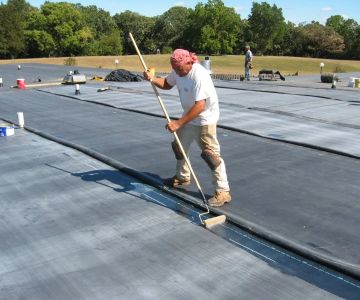
- Use the Right Tools: Depending on the type of sealant, you may need a brush, roller, or sprayer for application. Ensure you use the correct tools to get an even and consistent coat.
- Inspect Regularly: After application, inspect the roof every year to ensure the sealant is still effective. Make touch-ups as necessary, especially after heavy storms or snowfalls.
By following these tips and using high-quality sealants, you can ensure your roof remains secure and protected throughout the winter months.
If you're looking for more expert advice on roof sealants or need help with roofing repairs, visit Pickering Roofing for the best products and services in your area.
 Ziter Roofing and Renovations Inc.0.0 (0 reviews)
 Leading On Edge Roofing5.0 (2 reviews)
 Arc Roofing & Waterproofing0.0 (0 reviews)
 Roofing Peterborough0.0 (0 reviews)
 Tough Roofing Vancouver4.0 (11 reviews)
 YSL Roofing Canada5.0 (8 reviews)
 How Much Does a New Roof Cost in 2025? Canadian Roofing Price Guide
 Top Signs Your Roof Has a Leak and What to Do About It in Canada
 Can You Install a New Roof Over an Old One in Canada?
 The Top Questions to Ask Before Hiring a Roofer in Canada
 What Are the Most Common Roofing Scams and How to Avoid Them in Canada
 How to Prepare Your Home for a Roofing Project in Canada