
- what-causes-roof-algae-and-moss-in-canada - What Causes Roof Algae and Moss in Canada
- why-algae-and-moss-are-a-problem-for-your-roof - Why Algae and Moss Are a Problem for Your Roof
- how-to-prevent-roof-algae-and-moss - How to Prevent Roof Algae and Moss
- safe-and-effective-removal-methods - Safe and Effective Removal Methods
- real-world-example-from-ontario - Real-World Example from Ontario
- when-to-call-a-professional - When to Call a Professional
1. What Causes Roof Algae and Moss in Canada
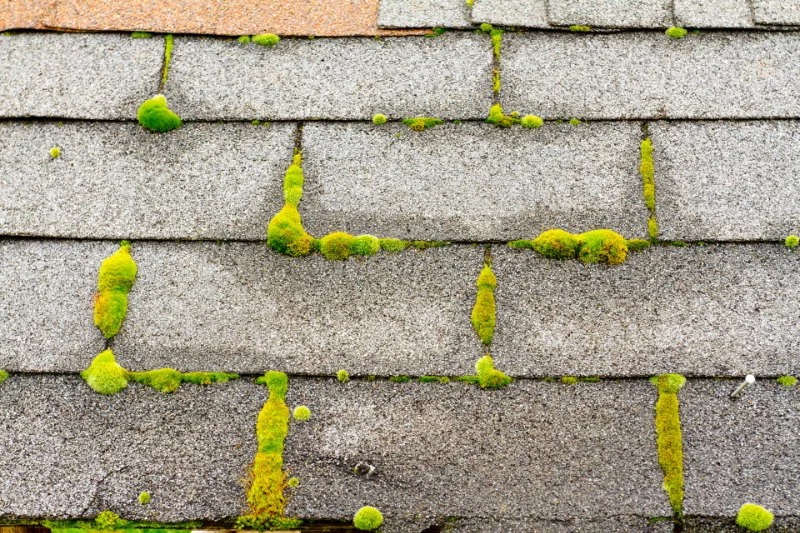
In many parts of Canada, especially in regions like Ontario and British Columbia, moisture, shade, and organic debris create the perfect breeding ground for roof algae and moss. Algae, typically seen as dark streaks, are often caused by the airborne spore Gloeocapsa magma, while moss thrives in consistently damp environments—usually on the north-facing parts of roofs that get less sun.
Canadian weather patterns play a big role. In cities like Pickering and Vancouver, high humidity and rain during spring and fall make homes especially vulnerable. If your roof doesn’t dry quickly after precipitation, moss and algae will flourish.
Toiture TNT / Gatineau Outaouais / avis sur toiture tnt / gatineau outaouais
1700 Rue Schryer, Gatineau, QC J8R 1S2, Canada
2. Why Algae and Moss Are a Problem for Your Roof
2.1 Shortened Roof Lifespan
While algae alone is mostly an aesthetic issue, moss is far more damaging. Moss absorbs moisture and holds it against your shingles, accelerating decay and increasing the risk of leaks. Over time, this can cause structural damage to your roof deck and even lead to interior water stains.
Atlas-Apex Roofing Inc. / atlas apex toronto
65 Disco Rd, Etobicoke, ON M9W 1M2, Canada
2.2 Reduced Home Value
Curb appeal matters. A home covered with black streaks and green patches appears neglected. In competitive housing markets like the GTA, potential buyers often see visible roof moss as a red flag—either for roof age or homeowner care.
2.3 Insulation and Energy Inefficiency
When moss lifts shingles or deteriorates roofing materials, it compromises your home's insulation. This can lead to higher heating bills during cold Canadian winters and inconsistent cooling during summer.
3. How to Prevent Roof Algae and Moss
3.1 Trim Overhanging Trees
Limiting shade on your roof helps dry moisture faster. Overhanging branches also drop leaves, which trap moisture and serve as food for moss. Regular pruning is one of the simplest prevention methods.
3.2 Install Zinc or Copper Strips
These metal strips, installed near the roof ridge, release ions that prevent moss and algae growth when it rains. This method has become increasingly popular among Pickering homeowners and roofing experts.
3.3 Clean Gutters Regularly
Blocked gutters lead to water overflow and buildup, which increases roof moisture. A simple twice-a-year cleaning (spring and fall) makes a significant difference, especially in leaf-heavy regions.
3.4 Use Algae-Resistant Shingles
If you’re re-roofing, consider algae-resistant shingles infused with copper granules. They’re specifically designed for humid climates and are widely used across Canadian roofing projects.
4. Safe and Effective Removal Methods
4.1 Avoid Power Washing
This is a common mistake. High-pressure water can strip granules from asphalt shingles and shorten their lifespan. Instead, use a low-pressure garden sprayer with a 50/50 mix of water and bleach or vinegar.
4.2 Soft Brushing Techniques
Once the moss is treated and dried, it can be gently brushed off using a long-handled brush. Always start at the top and work down to avoid lifting shingles.
4.3 Commercial Moss Removal Products
Look for biodegradable, roof-safe solutions approved by Canadian regulatory agencies. Many hardware stores in Ontario now carry eco-friendly moss removers that work effectively without harming landscaping below.
5. Real-World Example from Ontario
In spring 2023, a homeowner in Pickering noticed green moss overtaking the rear side of their roof. After consulting with Pickering Roofing, the crew removed the moss using a zinc treatment and replaced only two damaged shingles. The job took one afternoon, and the homeowner reported no regrowth a year later.
This case shows that early detection and quick intervention can save thousands in repairs and maintain your roof’s integrity.
6. When to Call a Professional
6.1 Signs You Need Help
If moss covers more than 30% of your roof, or if you see curled shingles, it’s time to get a roofing inspection. DIY treatments are only effective in early-stage growth.
6.2 Choosing the Right Contractor
Work with a licensed Canadian roofing service like Pickering Roofing, which specializes in both maintenance and algae-resistant roofing options. Look for warranties on both the service and cleaning solutions they use.
6.3 Long-Term Maintenance Plans
Annual or biannual roof check-ups ensure you catch moss and algae early. Many Canadian roofing firms now offer maintenance packages tailored to your home’s microclimate.
 Reactive Renovations4.0 (45 reviews)
 Renovations By Shane4.0 (34 reviews)
 Bruce Clarke Roofing4.0 (44 reviews)
 L2 Toiture4.0 (281 reviews)
 Honest Roofing INC0.0 (0 reviews)
 Laurentian Roofing Inc.5.0 (8 reviews)
 How Much Does a New Roof Cost in 2025? Canadian Roofing Price Guide
 Top Signs Your Roof Has a Leak and What to Do About It in Canada
 Can You Install a New Roof Over an Old One in Canada?
 The Top Questions to Ask Before Hiring a Roofer in Canada
 What Are the Most Common Roofing Scams and How to Avoid Them in Canada
 How to Prepare Your Home for a Roofing Project in Canada