
- what-causes-roof-algae-and-moss-in-canada
- why-it-matters-the-damage-they-cause
- prevention-strategies-for-algae-and-moss
- how-to-remove-algae-and-moss-safely
- real-canadian-examples-and-success-stories
1. What Causes Roof Algae and Moss in Canada
1.1 Climate Conditions Favouring Growth
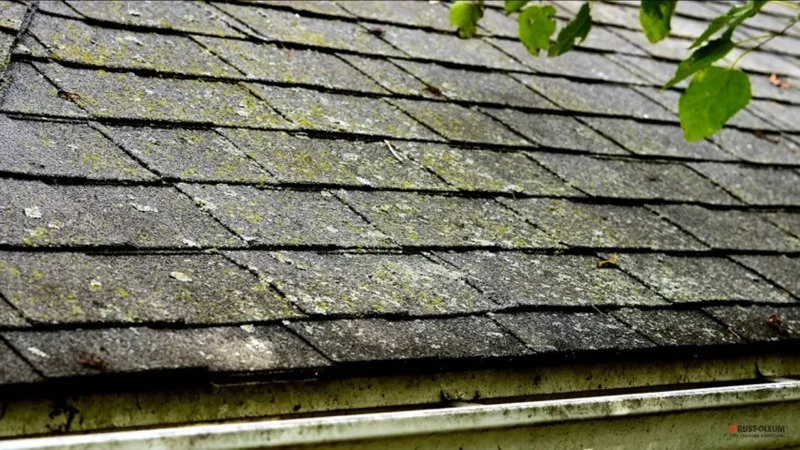
Canadian homes—especially those in coastal British Columbia, rainy Ontario, and wooded regions like the Maritimes—are naturally exposed to the perfect storm of moisture, shade, and mild temperatures. These conditions make it easy for organic growth like roof algae (typically Gloeocapsa magma) and moss to take hold.
Lansard Bros Roofing Ltd / lansard roofing
50 Don Valley Pkwy, Sunnyside, MB R5R 0C9, Canada
1.2 Shaded Roofs and Poor Drainage
If your roof is surrounded by tall trees or has north-facing slopes, it will likely retain more moisture and receive less sunlight. This is ideal for moss and algae to thrive. Debris buildup, clogged gutters, or inadequate ventilation can further trap moisture, accelerating organic growth on the surface.
Advanced Level Roofing / advanced level roofing winnipeg
1549 St Mary's Rd #101, Winnipeg, MB R2M 5G9, Canada
2. Why It Matters: The Damage They Cause
2.1 Aesthetic vs. Structural Problems
While algae may start as an eyesore—visible as dark streaks—its effects can go deeper. Algae slowly eats away at roofing materials, especially asphalt shingles, weakening the granules that protect against UV rays. Moss is even more destructive, lifting shingles and exposing your roof deck to water damage.
2.2 Reduced Lifespan of Roofing Materials
Algae and moss trap moisture on the surface, which accelerates wear and tear. Over time, this leads to premature aging, leaks, and expensive repairs. In cold Canadian winters, this moisture can freeze and expand, cracking shingles or causing them to curl.
2.3 Increased Energy Costs
Algae darkens your roof, reducing its ability to reflect sunlight. This makes your attic hotter in summer, leading to higher cooling bills. That’s why keeping a clean roof contributes directly to your home’s energy efficiency.
3. Prevention Strategies for Algae and Moss
3.1 Improve Roof Ventilation and Sun Exposure
Proper attic ventilation reduces trapped moisture, making your roof less hospitable to growth. If possible, trim overhanging tree branches to allow more sunlight to reach your roof—especially on the northern slopes.
3.2 Use Algae-Resistant Shingles
When replacing your roof or repairing a section, consider algae-resistant shingles that contain copper or zinc granules. These metals naturally inhibit organic growth and are particularly effective in damp climates.
3.3 Install Zinc or Copper Strips
Adding a metal strip near your ridge line allows rainwater to carry traces of zinc or copper across your shingles, preventing moss and algae from forming. It’s a relatively low-cost, high-impact method used by many Canadian roofing experts.
3.4 Routine Inspections and Gutter Maintenance
A seasonal check—especially after fall and spring—can catch early growth before it spreads. Keeping gutters clean helps prevent water from backing up and soaking roof edges where moss typically starts.
4. How to Remove Algae and Moss Safely
4.1 Avoid Pressure Washing
High-pressure water might remove surface growth, but it can also damage shingles, stripping away protective granules and shortening your roof's life. It's a quick fix with long-term consequences—not recommended by most roofing professionals.
4.2 Use a Gentle Cleaning Solution
A 50/50 mix of water and bleach, or eco-friendly moss cleaners available at hardware stores, can be applied with a pump sprayer. Let it sit for 20–30 minutes, then gently rinse with low-pressure water. Never scrub shingles, as this can damage their surface.
4.3 Consider Hiring a Professional
For steep roofs or widespread infestations, it's best to consult with trained professionals. Companies like Pickering Roofing offer moss and algae removal services specifically designed for Canadian weather conditions and roofing materials. They'll also inspect for damage that may not be visible from the ground.
5. Real Canadian Examples and Success Stories
5.1 Victoria, BC: From Moss-Covered to Moss-Free
A homeowner in Victoria faced annual moss buildup on her north-facing roof. After hiring a local team to install zinc strips and upgrading to algae-resistant shingles, she saw no moss growth the following two winters. Her energy bills even dropped slightly due to improved roof reflectivity.
5.2 Cottage Country Roof Rescue
In Ontario’s Kawartha Lakes region, a seasonal cabin owner discovered significant moss under the shingles, causing water seepage. After a full cleaning and ridge ventilation upgrade through Pickering Roofing, the structure remained dry even through an intense spring thaw.
5.3 Halifax Heritage Home Gets a Modern Fix
A century-old property in Halifax struggled with dark algae streaks that affected curb appeal and resale value. After a professional cleaning and new zinc strip installation, the roof looked brand new. The owner later noted an increase in offers once the algae was gone.
 Glenview Roofing & Construction5.0 (1 reviews)
 温莎屋顶Windsor Andy Roofing5.0 (1 reviews)
 Master Roof Repair4.0 (155 reviews)
 Jenmar Roofing Ltd5.0 (9 reviews)
 Sunroofing & Remodelling4.0 (12 reviews)
 Lakewood Roofing1.0 (1 reviews)
 How Much Does a New Roof Cost in 2025? Canadian Roofing Price Guide
 Top Signs Your Roof Has a Leak and What to Do About It in Canada
 Can You Install a New Roof Over an Old One in Canada?
 The Top Questions to Ask Before Hiring a Roofer in Canada
 What Are the Most Common Roofing Scams and How to Avoid Them in Canada
 How to Prepare Your Home for a Roofing Project in Canada