
- 1. Why a Roof Audit is Important
- 2. Key Components to Check During a Roof Audit
- 3. Common Signs of Roof Damage
- 4. When to Call a Professional Roofer
- 5. Roof Maintenance Tips for Longevity
1. Why a Roof Audit is Important
Regular roof audits are essential to ensure the long-term health and durability of your roof. Roofs are exposed to harsh weather conditions, and over time, they can experience wear and tear. Conducting a roof audit allows you to identify potential issues early, preventing costly repairs or even a full roof replacement down the road. For homeowners in Canada, where extreme weather conditions like snow, ice, and heavy rainfall are common, a thorough roof inspection is especially crucial.
A roof audit provides peace of mind, ensuring that your roof is in optimal condition. By assessing all aspects of the roof, you can identify small problems before they escalate into major ones, saving time, money, and stress in the long run.

Flynn Canada Ltd. - Toronto / flynn mississauga
MississaugaRegional Municipality of PeelOntario
6435 Northwest Dr, Mississauga, ON L4V 1X1, Canada
2. Key Components to Check During a Roof Audit
When performing a roof audit, it’s important to examine several key components to assess the roof’s overall condition. These include:
Vancouver Moss Removal / moss removal near me
VancouverMetro VancouverBritish Columbia
1615 Frances St #105, Vancouver, BC V5L 1Z3, Canada
1. Roof Shingles or Roofing Materials
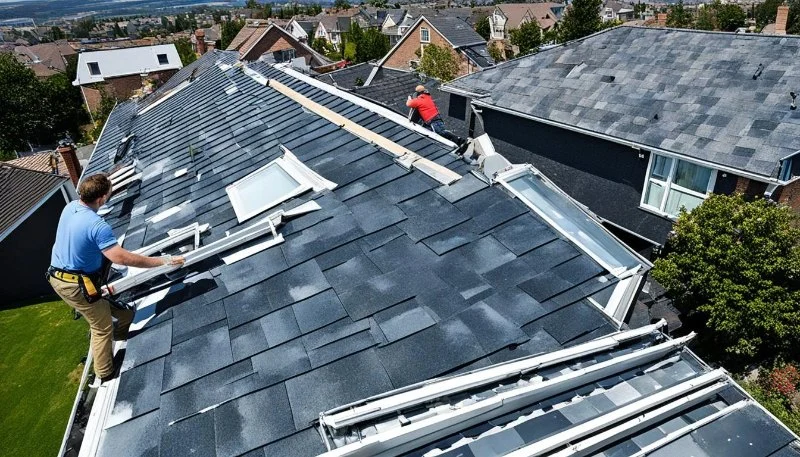
The shingles or roofing materials are the first line of defense against weather elements. Look for signs of damage, such as missing, cracked, or curling shingles. Ensure that the materials are firmly in place, as loose shingles can lead to leaks. Pay special attention to areas around roof penetrations, such as chimneys, skylights, or vents, as these are vulnerable to water damage.
2. Roof Flashing
Flashing is used around roof penetrations to prevent water from entering the roof structure. Inspect the flashing for any signs of damage, such as rust or gaps. Damaged flashing can cause leaks that may lead to significant water damage inside your home.
3. Roof Gutters and Downspouts
Gutters and downspouts play a critical role in directing water off the roof and away from the foundation. Clogged or damaged gutters can lead to water pooling on the roof, increasing the risk of leaks. Ensure that the gutters are free of debris and securely attached to the roofline. Check the downspouts to ensure they are directing water away from your home’s foundation.
4. Roof Ventilation
Proper ventilation is essential to regulate temperature and moisture levels in the attic. Inspect the roof vents to ensure they are not blocked or damaged. Poor ventilation can lead to moisture buildup, which can cause mold growth and shorten the lifespan of your roof.
5. Attic Inspection
The attic is a crucial area to inspect during a roof audit. Look for signs of water damage, such as stains on the ceiling or walls, and check for mold or mildew growth. Poor insulation or ventilation in the attic can also lead to roof damage, so it’s important to address these issues promptly.
3. Common Signs of Roof Damage
Identifying roof damage early is crucial in preventing further deterioration. Here are some common signs that indicate your roof may need repairs:
1. Leaks and Water Stains
If you notice water stains on your ceilings or walls, it’s a clear sign of a roof leak. Leaks can occur due to damaged shingles, worn-out flashing, or clogged gutters. It’s important to address leaks immediately to prevent further water damage to the structure of your home.
2. Sagging Roof Deck
A sagging roof deck can indicate structural issues with the roof. This can be caused by excessive weight from snow or ice accumulation, or it could be a sign of a weakened roof due to water damage. If you notice any sagging, it’s essential to have a professional roofer assess the situation.
3. Missing or Damaged Shingles
Shingles that are missing, cracked, or curling are a clear sign of roof damage. Windstorms and hail can cause shingles to break or become dislodged, allowing water to penetrate the roof. Regular roof audits will help identify these issues before they lead to leaks or further damage.
4. Granules in the Gutters
If you notice a significant amount of granules in your gutters, this could indicate that your shingles are deteriorating. The granules protect the shingles from UV rays and weather damage, so the loss of granules can reduce the lifespan of your roof.
4. When to Call a Professional Roofer
While performing a roof audit yourself can help identify basic issues, there are times when you should call a professional roofer. Here are a few situations that warrant a call to a roofing expert:
1. Severe Weather Damage
If your roof has been exposed to extreme weather conditions, such as heavy winds, hail, or snow, it’s important to have a professional inspect the roof for hidden damage. Severe weather can cause significant damage that may not be immediately visible but could worsen over time.
2. Structural Issues
If you notice signs of structural damage, such as a sagging roof deck or large cracks, it’s important to have a professional roofer assess the situation. Structural damage can compromise the integrity of your roof and your home’s safety.
3. If You’re Unsure
If you’re unsure about the condition of your roof or if you’ve noticed multiple signs of damage, it’s always best to consult with a professional. Roof inspections by licensed contractors can help identify issues that may not be apparent to the untrained eye.
5. Roof Maintenance Tips for Longevity
To prolong the lifespan of your roof and avoid costly repairs, regular maintenance is key. Here are a few tips for keeping your roof in top condition:
1. Clean Your Gutters Regularly
Clogged gutters can cause water to back up onto the roof, leading to leaks and other damage. Clean your gutters at least twice a year, and more frequently if you have overhanging trees.
2. Trim Overhanging Trees
Tree branches that hang over your roof can cause damage by scraping against the shingles or dropping debris onto the roof. Regularly trim any branches that are close to the roofline to prevent this damage.
3. Inspect and Maintain Roof Flashing
Check the flashing around chimneys, skylights, and vents to ensure it is intact. Repair or replace damaged flashing as soon as possible to prevent water from entering your home.
4. Schedule Regular Roof Inspections
In addition to performing your own roof audit, schedule professional roof inspections every few years. A professional roofer can catch problems early and provide solutions that extend the life of your roof.
 Guildwood Roofing Ltd4.0 (17 reviews)
 Asonic Roofing and Construction Ltd.0.0 (0 reviews)
 Cover Up Roofing5.0 (7 reviews)
 Shamrock Roofing Calgary0.0 (0 reviews)
 Couvreur de Toiture Mont-Rose (Que) Ltée4.0 (32 reviews)
 Legendary Exteriors4.0 (17 reviews)
 How Much Does a New Roof Cost in 2025? Canadian Roofing Price Guide
 Top Signs Your Roof Has a Leak and What to Do About It in Canada
 Can You Install a New Roof Over an Old One in Canada?
 The Top Questions to Ask Before Hiring a Roofer in Canada
 What Are the Most Common Roofing Scams and How to Avoid Them in Canada
 How to Prepare Your Home for a Roofing Project in Canada