
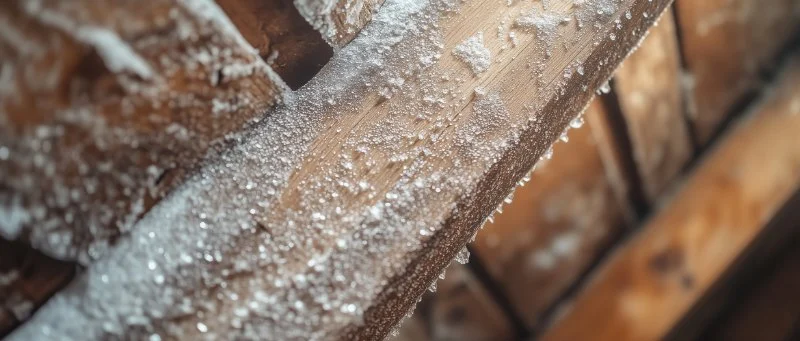
Roof Deck Moisture & Attic Health: Why It Matters
- 1. Understanding Roof Deck Moisture
- 2. The Impact of Roof Deck Moisture on Attic Health
- 3. Common Causes of Roof Deck Moisture
- 4. Solutions and Preventive Measures for Moisture Control
- 5. Choosing the Right Roofing Service
The condition of your roof deck and attic plays a crucial role in maintaining the overall health of your home. Roof deck moisture can have serious consequences for attic health, leading to structural damage, mold growth, and even poor indoor air quality. This article will explore why roof deck moisture matters, how it impacts attic health, and what you can do to protect your home from its effects.
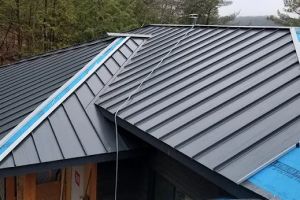
Concord Roofing / roofing company richmond hill
Richmond HillRegional Municipality of YorkOntario
551 16th Ave, Richmond Hill, ON L4C 7A7, Canada
1. Understanding Roof Deck Moisture
Roof deck moisture refers to the accumulation of water or excess humidity in the space beneath your roof, often caused by leaks, poor ventilation, or high indoor humidity. The roof deck is the surface that supports your roofing materials, and any moisture trapped in this area can lead to significant issues if not addressed promptly. Understanding how moisture enters your roof deck is the first step in protecting your home.

Flynn Canada Ltd. - Ottawa / flynn ottawa
1655 Comstock Rd, Gloucester, ON K1B 5L2, Canada
2. The Impact of Roof Deck Moisture on Attic Health
When moisture seeps into your roof deck, it can travel into the attic, where it poses a variety of risks. Excess moisture can cause the following issues:
2.1 Mold and Mildew Growth
One of the most common and dangerous effects of roof deck moisture is the growth of mold and mildew in your attic. These fungi thrive in damp environments and can spread quickly, leading to health issues such as respiratory problems, allergies, and asthma. Mold also weakens wood and other materials, compromising the structural integrity of your home.
2.2 Attic Insulation Damage
Moisture can also damage attic insulation, reducing its effectiveness. Wet insulation loses its ability to regulate temperature, which can lead to higher heating and cooling costs. If left unchecked, moisture can cause insulation to deteriorate completely, requiring costly replacement.
2.3 Structural Damage to the Roof Deck
Prolonged exposure to moisture can weaken the roof deck itself, leading to rot and decay. This compromises the entire roofing structure, making it more vulnerable to further damage and eventual collapse. Early intervention is crucial to prevent extensive repairs.
3. Common Causes of Roof Deck Moisture
Several factors contribute to the buildup of moisture on your roof deck. Identifying these causes can help you take proactive steps to prevent damage to your attic and roof.
3.1 Leaky Roofs
The most obvious cause of moisture in the roof deck is a leaky roof. Damaged shingles, cracked flashing, or worn-out seals around vents can allow water to infiltrate your roof, leading to moisture accumulation beneath the deck.
3.2 Poor Ventilation
Inadequate attic ventilation can trap heat and humidity in the attic, leading to condensation that can eventually find its way into the roof deck. Proper ventilation helps maintain airflow and reduces the risk of moisture buildup. This is why ensuring proper attic ventilation is crucial for both energy efficiency and moisture control.
3.3 High Indoor Humidity
Excess humidity inside your home can also contribute to roof deck moisture. Activities such as cooking, showering, and even drying clothes indoors can raise the humidity levels in your home, which can then infiltrate the attic through cracks or gaps in the ceiling.
4. Solutions and Preventive Measures for Moisture Control
Addressing roof deck moisture requires a combination of proactive maintenance and immediate repairs. Below are some solutions and preventive measures you can take to protect your home:
4.1 Regular Roof Inspections
Scheduling regular roof inspections is one of the best ways to catch leaks and damage before they lead to major problems. Roof professionals can identify signs of wear and tear, replace damaged shingles, and ensure that flashing and seals are intact.
4.2 Improving Attic Ventilation
Ensure that your attic is properly ventilated to allow airflow and prevent moisture buildup. This can be achieved by installing ridge vents, soffit vents, and gable vents. A well-ventilated attic helps maintain temperature control and keeps humidity levels in check.
4.3 Sealing Gaps and Cracks
Sealing any gaps or cracks in your roof and attic can help prevent moisture from entering. Weatherproofing your home, particularly around vents, chimneys, and skylights, is essential for maintaining a dry and healthy attic environment.
5. Choosing the Right Roofing Service
Choosing a professional roofing service is essential for ensuring the long-term health of your roof and attic. At Pickering Roofing, we specialize in roof repairs, inspections, and ventilation services. Our team can help you identify and address any moisture issues in your roof deck, offering solutions to protect your home from future damage.
Whether you're dealing with a leaky roof, poor attic ventilation, or existing moisture damage, selecting the right professionals can make all the difference in preventing costly repairs down the road. Trust experts to keep your attic and roof deck in optimal condition.
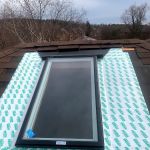 High Skillz Roofing Inc | North York - Roof Repair & Replacement Company4.0 (169 reviews)
 Proactive Roofing and Masonry0.0 (0 reviews)
 Libra Envelope Metal Shop5.0 (1 reviews)
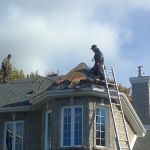 Premier Roofing4.0 (20 reviews)
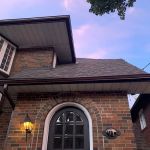 LCD Construction Inc.4.0 (30 reviews)
 Repairs Solutions3.0 (6 reviews)
 How Much Does a New Roof Cost in 2025? Canadian Roofing Price Guide
 Top Signs Your Roof Has a Leak and What to Do About It in Canada
 Can You Install a New Roof Over an Old One in Canada?
 The Top Questions to Ask Before Hiring a Roofer in Canada
 What Are the Most Common Roofing Scams and How to Avoid Them in Canada
 How to Prepare Your Home for a Roofing Project in Canada