
How Roof Design Can Improve Indoor Comfort in Summer and Winter
- 1. Introduction: The Importance of Roof Design
- 2. How Roof Design Affects Indoor Temperature
- 3. Key Roof Design Features for Summer Comfort
- 4. Roof Design Features for Winter Efficiency
- 5. Roof Materials and Insulation Choices
- 6. Real-life Case Studies on Roof Design
- 7. How to Optimize Your Roof for Year-round Comfort
1. Introduction: The Importance of Roof Design
When it comes to maintaining a comfortable indoor temperature year-round, roof design plays a crucial role. A well-designed roof can help keep your home cooler in the summer and warmer in the winter, reducing the reliance on air conditioning and heating systems. In this article, we'll explore how roof design can improve indoor comfort in both hot and cold seasons, making your home more energy-efficient and comfortable.
Roof Rescue Ontario Inc. / trudel & sons roofing ltd
Whitchurch-StouffvilleRegional Municipality of YorkOntario
164 Hawthorn Ave, Whitchurch-Stouffville, ON L4A 4Y8, Canada
2. How Roof Design Affects Indoor Temperature
The roof is one of the most significant elements of your home when it comes to regulating indoor temperatures. It serves as a barrier to the outside elements, keeping heat, rain, and snow from entering the living space. Roof design can directly influence how much heat is absorbed or reflected by your home, as well as how well it retains or sheds heat depending on the season.
In the summer, a poorly designed roof can absorb too much heat, causing your home to feel hotter and requiring you to run the air conditioner more often. Conversely, during winter, an inefficient roof may allow heat to escape, making your heating system work harder. Proper roof design ensures that your home stays cool when it’s hot and warm when it’s cold, contributing to better comfort and lower energy costs.
Ck Roofing Solutions / ck roofing solutions
MarkhamRegional Municipality of YorkOntario
8 Hikers Ln, Markham, ON L6B 0K3, Canada
3. Key Roof Design Features for Summer Comfort
During the summer, the goal is to minimize heat absorption and maximize airflow. Key design features to improve summer comfort include:
- Reflective Roof Materials: Materials that reflect sunlight, such as light-colored shingles, reflective paints, and cool roof membranes, can reduce the amount of heat your roof absorbs, keeping your home cooler.
- Ventilation: Proper roof ventilation is essential to allow hot air to escape from the attic, which helps to lower indoor temperatures. Ridge vents and soffit vents are common options that promote airflow and reduce heat buildup.
- Insulation: Adding or upgrading attic insulation can help prevent heat from entering your living space. This reduces the workload of your air conditioning system.
4. Roof Design Features for Winter Efficiency
In the winter, the focus shifts to retaining heat within your home. Key roof design features for winter efficiency include:
- Insulation: Well-insulated roofs prevent heat from escaping, keeping the warmth inside your home. Insulation options such as spray foam, batt insulation, or reflective foil can significantly reduce heat loss.
- Proper Sealing: Ensuring that there are no leaks or gaps in the roofing system is critical for winter comfort. A well-sealed roof prevents cold drafts from entering your home.
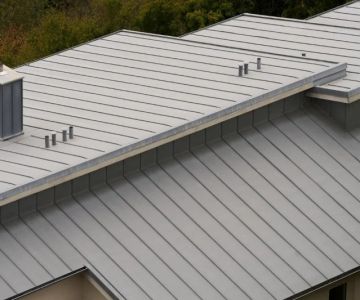
- Warm Roof Materials: Materials that provide extra insulation, such as metal or slate roofing, can help keep the heat inside your home during the colder months.
5. Roof Materials and Insulation Choices
The materials used in your roof play a significant role in determining its performance during both summer and winter. For summer cooling, light-colored materials like reflective shingles and tiles are great at bouncing sunlight away from the roof, keeping your home cooler. For winter, roofing materials that provide more insulation, such as concrete, clay, and metal, can help retain heat inside.
When it comes to insulation, choosing the right type can make a significant difference. High-quality attic insulation helps trap heat in the winter and prevents heat from entering in the summer. Materials such as fiberglass or cellulose are commonly used, while spray foam provides superior air sealing and insulation.
6. Real-life Case Studies on Roof Design
Many homeowners have successfully enhanced their indoor comfort by improving their roof design. For instance, a family in Toronto added reflective shingles to their roof, combined with better attic insulation. This simple change reduced their summer cooling costs by 25% and kept their home more comfortable during the winter months. By choosing energy-efficient materials and improving ventilation, they enjoyed significant savings and a more pleasant living environment.
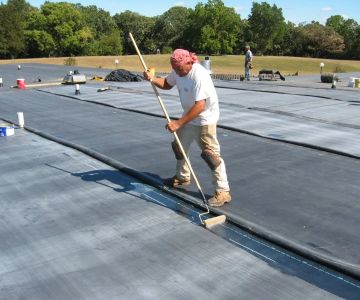
Another case study involved a homeowner in Vancouver who installed a cool roof membrane on their flat roof. The result was a noticeable reduction in heat buildup during summer, allowing the home to stay cooler without running the air conditioning constantly.
7. How to Optimize Your Roof for Year-round Comfort
Optimizing your roof design for year-round comfort involves a combination of strategies. Start by choosing materials that suit your climate and roof type. Add adequate insulation and improve ventilation for better air circulation. Consider installing reflective roofing materials to reduce heat absorption in the summer and adding insulation to keep warmth in during the winter.
If you’re unsure which changes are best for your home, consult with a professional roofing contractor. At Pickering Roofing, we offer expert advice and installation services to help you choose the right roof design for maximum comfort and energy efficiency.
 Emerald Cedar Contracting Etobicoke5.0 (5 reviews)
 Dignity Roofing & Exteriors5.0 (73 reviews)
 A&G Roofing4.0 (84 reviews)
 C-Star Roofing Inc.4.0 (60 reviews)
 Living My Dream Roofing4.0 (21 reviews)
 BC ROOFING LTD0.0 (0 reviews)
 How Much Does a New Roof Cost in 2025? Canadian Roofing Price Guide
 Top Signs Your Roof Has a Leak and What to Do About It in Canada
 Can You Install a New Roof Over an Old One in Canada?
 The Top Questions to Ask Before Hiring a Roofer in Canada
 What Are the Most Common Roofing Scams and How to Avoid Them in Canada
 How to Prepare Your Home for a Roofing Project in Canada