
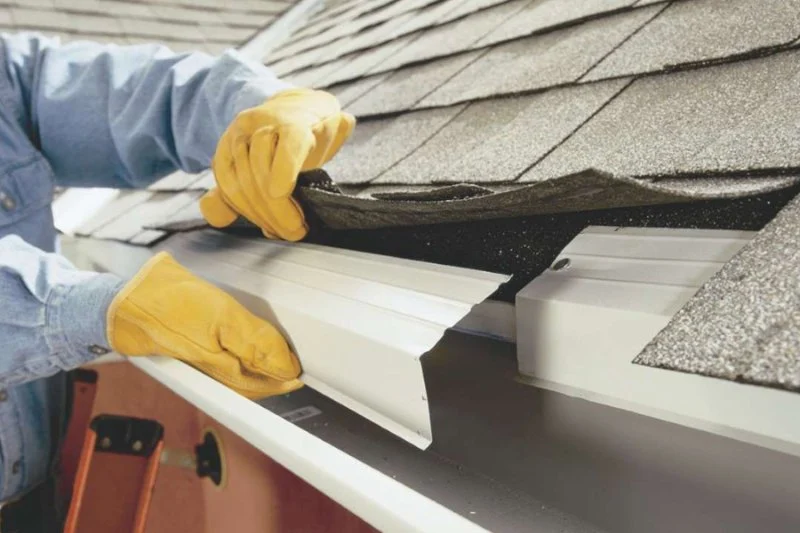
- 1. Introduction to Roof Edge & Eave Construction
- 2. The Importance of Roof Edge & Eave Construction
- 3. Design Considerations for Roof Edges & Eaves
- 4. Maintaining Roof Edges & Eaves for Optimal Water Management
- 5. Real-Life Examples: Roof Edge & Eave Failures and Their Impact
- 6. Conclusion: Ensuring Effective Water Management through Roof Edge & Eave Construction
1. Introduction to Roof Edge & Eave Construction
When it comes to roofing, much of the attention is often focused on the main surface of the roof. However, roof edges and eaves play a crucial role in water management, which is vital to the integrity and longevity of your home. Roof edges are the outermost parts of the roof, while eaves are the edges that extend beyond the walls of the building. Proper construction and maintenance of these elements are essential to prevent water damage and ensure the roof's performance over time.

Lansard Bros Roofing Ltd / lansard roofing
50 Don Valley Pkwy, Sunnyside, MB R5R 0C9, Canada
2. The Importance of Roof Edge & Eave Construction
Roof edges and eaves help manage water flow by directing rainwater away from the building’s foundation and walls. Without proper water management, rainwater can easily seep into the structure, leading to moisture buildup, mold, and foundation damage. Here are a few key reasons why roof edge and eave construction are so important:
- Water Protection: Properly constructed roof edges and eaves channel rainwater away from the walls and foundation, reducing the risk of water damage to your home.
- Prevention of Ice Dams: Eaves are particularly important in colder climates, where melting snow can refreeze at the roof's edge, forming ice dams. These dams can block water from draining properly and cause leaks.
- Longevity of Roofing Materials: A well-constructed roof edge helps prevent water from accumulating on the roof, which can prolong the lifespan of roofing materials.
3. Design Considerations for Roof Edges & Eaves
When planning or renovating a roof, it’s crucial to carefully design the roof edges and eaves. Several factors affect how well these components manage water flow and prevent damage:
- Eave Overhang: The eave overhang, which is the distance that the roof extends beyond the walls of the building, should be long enough to divert rainwater at least a few feet away from the building’s foundation.
- Gutter and Downspout Placement: Properly positioned gutters and downspouts ensure that rainwater is efficiently directed away from the building. They should be placed along the eaves to collect and funnel water into a safe drainage system.
- Roof Slope: The pitch or slope of the roof also impacts water flow. A steeper roof slope allows rainwater to run off more easily, reducing the risk of pooling and water damage.
4. Maintaining Roof Edges & Eaves for Optimal Water Management
Just like any other part of your roof, roof edges and eaves require regular maintenance to ensure they function properly. Over time, debris like leaves and dirt can accumulate in gutters, blocking water flow and causing backups. Here are a few maintenance tips:
- Clean Gutters Regularly: It’s important to remove leaves, twigs, and other debris from gutters and downspouts to prevent clogging and ensure proper water drainage.
- Inspect for Damage: Check the eaves and roof edges for signs of wear and tear. Look for cracked or damaged flashing, and replace it as needed to prevent water from leaking through.
- Install Gutter Guards: To reduce the frequency of cleaning, consider installing gutter guards, which prevent debris from accumulating in gutters while still allowing water to flow through.
5. Real-Life Examples: Roof Edge & Eave Failures and Their Impact
In some cases, poorly constructed or maintained roof edges and eaves can lead to significant water damage. Let’s take a look at a couple of real-life examples:
Toiture Royale Expert Inc. / toiture royale expert
LévisChaudière-AppalachesQuébec
7921 Rue de l'Orge, Lévis, QC G6Y 0G1, Canada
Case Study 1: Ice Dam Failure in a Northern Climate
In regions with harsh winters, ice dams can form along the edges of poorly constructed eaves. A homeowner in Minnesota experienced major roof leaks after an ice dam caused water to back up under the shingles. The damage led to water stains on the ceilings, mold growth, and costly repairs. The solution was to add proper insulation and extend the eaves to prevent future ice dams from forming.
Case Study 2: Foundation Damage from Improper Water Drainage
In a coastal area of Florida, a homeowner found that water was pooling near the foundation due to clogged gutters and improperly designed eaves. Over time, this led to cracks in the foundation and the growth of mold in the basement. After clearing the gutters and installing downspouts that directed water away from the foundation, the homeowner was able to prevent further damage and improve the drainage around the property.
6. Conclusion: Ensuring Effective Water Management through Roof Edge & Eave Construction
Roof edges and eaves are essential components in protecting your home from water damage. By understanding their importance and maintaining them properly, you can ensure that your home is safe from the harmful effects of water infiltration. Whether you’re building a new home or repairing an existing roof, be sure to pay attention to the design and construction of your roof edges and eaves. For expert roofing services and advice, visit Pickering Roofing.

 Groupe Éminence0.0 (0 reviews)
 Ironclad Roofing - Steel & Metal Roofing, Metal Roof Installation Toronto4.0 (13 reviews)
 NP Roofing3.0 (5 reviews)
 Alberta Strong Roofing Inc.5.0 (37 reviews)
 Flynn Canada Ltd. - Edmonton3.0 (15 reviews)
 Custom Contracting Roofing & Eavestrough Repair Kitchener4.0 (14 reviews)
 How Much Does a New Roof Cost in 2025? Canadian Roofing Price Guide
 Top Signs Your Roof Has a Leak and What to Do About It in Canada
 Can You Install a New Roof Over an Old One in Canada?
 The Top Questions to Ask Before Hiring a Roofer in Canada
 What Are the Most Common Roofing Scams and How to Avoid Them in Canada
 How to Prepare Your Home for a Roofing Project in Canada