
Roof Edge Protection: Fascia, Soffit & Overhangs Explained
- 1. What is Roof Edge Protection?
- 2. Understanding Fascia and Soffit
- 3. The Role of Overhangs in Roof Safety
- 4. Maintenance Tips for Fascia, Soffit, and Overhangs
- 5. Choosing the Right Materials for Canadian Climate
1. What is Roof Edge Protection?
Roof edge protection refers to the structural components at the edge of your roof that help protect it from the elements. The fascia, soffit, and overhangs are all part of this system, working together to ensure the integrity of your roof. These elements not only contribute to the aesthetic appearance of your home but also play a vital role in the functionality and longevity of your roof. Understanding each of these components is essential for proper maintenance and roof care.

Custom Contracting Burlington Roofing & Eavestrough Repair Burlington / eavestrough burlington
BurlingtonRegional Municipality of HaltonOntario
687 Waterloo St, Burlington, ON L7R 2S9, Canada
2. Understanding Fascia and Soffit
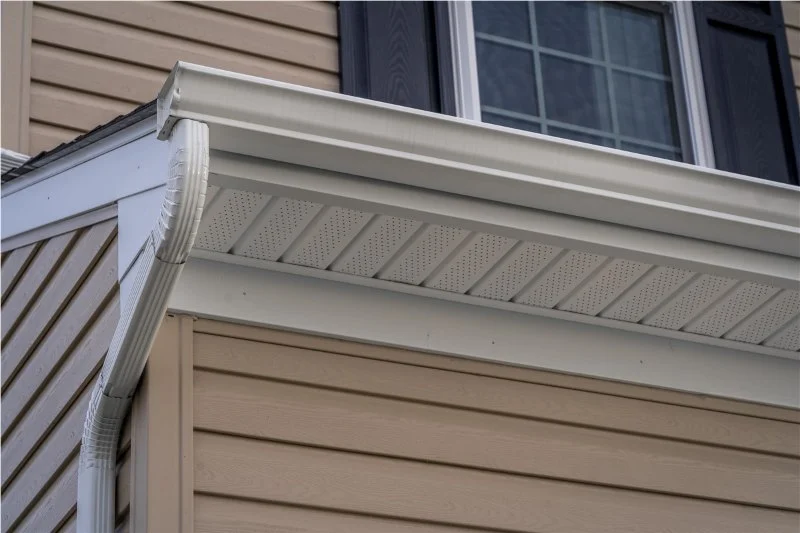
The fascia and soffit are key elements of roof edge protection, each serving unique but complementary functions.

Flynn Canada Ltd. - Toronto / flynn mississauga
MississaugaRegional Municipality of PeelOntario
6435 Northwest Dr, Mississauga, ON L4V 1X1, Canada
1. What is Fascia?
The fascia is a horizontal board that runs along the edge of the roof, just beneath the roofline. It acts as a barrier between the roof and the exterior of the home, providing a surface for gutters to be attached. Fascia helps protect the underlying wood from water damage and debris, contributing to the roof's overall durability.
2. What is Soffit?
The soffit is the underside of the overhang, located beneath the fascia. It serves as both a protective and functional component. Soffits allow for ventilation in the attic, helping regulate airflow and preventing moisture buildup, which could lead to mold or rot. This is particularly important in humid climates like those in Canada, where proper attic ventilation is essential for preventing damage.
3. The Role of Overhangs in Roof Safety
Overhangs, or the portion of the roof that extends beyond the walls of the house, are an important part of roof edge protection. These extensions not only enhance the aesthetic appeal of the home but also provide protection from the elements. The overhangs direct rainwater away from the walls and foundation, preventing water damage and erosion.
1. Protecting the Exterior of the Home
Overhangs help reduce the risk of water infiltrating the walls or siding of the house, which could lead to long-term damage such as rotting wood or foundation issues. This is especially important in areas like Canada, where snow and ice accumulation can put extra strain on roofing systems.
2. Preventing Ice Dams
Overhangs also play a role in preventing ice dams, a common issue in colder Canadian climates. By allowing snow to slide off the roof and directing it away from the home, overhangs help prevent water from backing up under shingles and causing leaks in the attic or ceiling.
4. Maintenance Tips for Fascia, Soffit, and Overhangs
Regular maintenance of the fascia, soffit, and overhangs is crucial for ensuring their effectiveness in protecting your roof. Here are some practical tips:
1. Inspect for Damage Regularly
Inspect your fascia and soffit at least once or twice a year, especially after severe weather events. Look for signs of water damage, cracks, or rot. If you notice any issues, address them promptly to avoid further damage.
2. Clean Gutters and Downspouts
Ensure your gutters and downspouts are clean and free from debris to allow water to flow freely away from the roof and the fascia. Clogged gutters can cause water to pool on the roof, increasing the risk of fascia and soffit damage.
3. Check for Ventilation Issues
Ensure that the soffits are not blocked, as proper ventilation is essential for maintaining the roof’s health. Poor ventilation can lead to heat buildup in the attic, which can damage both the roof and insulation.
5. Choosing the Right Materials for Canadian Climate
The Canadian climate presents unique challenges when it comes to roof edge protection. When selecting materials for fascia, soffit, and overhangs, it’s essential to choose those that can withstand extreme temperatures, moisture, and ice accumulation.
1. Durable Materials for Fascia and Soffit
For fascia and soffit, materials like aluminum, vinyl, and fiber cement are excellent choices for Canadian homes. These materials are resistant to moisture, rot, and insect damage, making them perfect for the harsh Canadian winters.
2. Ice-Resistant Overhangs
When installing overhangs, consider adding extra protection like ice and water shields, especially if you live in regions with heavy snowfalls. This extra layer of protection helps prevent ice dams from forming and damaging your roof.
Proper roof edge protection is essential for maintaining the structural integrity and appearance of your home. By understanding the roles of fascia, soffit, and overhangs, performing regular maintenance, and choosing the right materials for your Canadian climate, you can protect your roof and extend its lifespan. For professional roof edge protection services and quality products, visit Pickering Roofing for expert advice and solutions.
 Destiny Roofing4.0 (11 reviews)
 CanDo Roofing5.0 (37 reviews)
 Corics Roofing4.0 (9 reviews)
 Synergy Exteriors - Orangeville and Caledon Roofing, Windows, Doors, Eavestrough & Siding4.0 (184 reviews)
 Just In Time Roofing5.0 (22 reviews)
 Couvreur Lefrançois3.0 (14 reviews)
 How Much Does a New Roof Cost in 2025? Canadian Roofing Price Guide
 Top Signs Your Roof Has a Leak and What to Do About It in Canada
 Can You Install a New Roof Over an Old One in Canada?
 The Top Questions to Ask Before Hiring a Roofer in Canada
 What Are the Most Common Roofing Scams and How to Avoid Them in Canada
 How to Prepare Your Home for a Roofing Project in Canada