
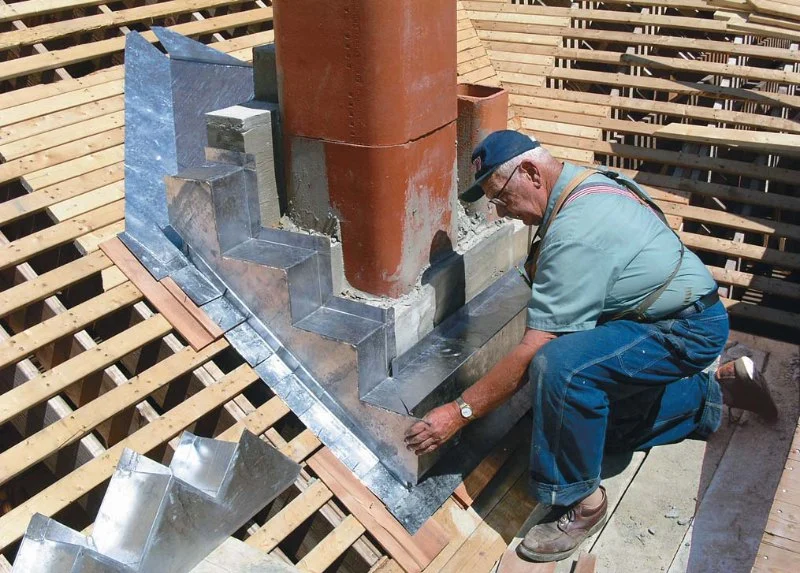
- Importance of Roof Flashing
- Types of Roof Flashing Materials
- Aluminum Flashing
- Galvanized Flashing
- Copper Flashing
- Choosing the Right Flashing Material for Your Roof
- Case Study: Choosing the Best Flashing Material
Importance of Roof Flashing
Roof flashing is a crucial part of your home’s roofing system, designed to prevent water infiltration and protect vulnerable areas like joints, vents, and chimneys. It serves as a barrier that directs water away from these critical areas, ensuring your roof stays dry and free from damage. Choosing the right roof flashing material is essential, as it can impact your roof’s durability and effectiveness in protecting your home against the elements.
Vancouver Moss Removal / moss removal near me
VancouverMetro VancouverBritish Columbia
1615 Frances St #105, Vancouver, BC V5L 1Z3, Canada
Types of Roof Flashing Materials
When it comes to roof flashing, there are several materials to choose from. The most common ones are aluminum, galvanized steel, and copper. Each material has unique characteristics, advantages, and disadvantages, making it important to understand how they perform in different environments, especially in Canada’s varied climate.
Lam Metal / lam metals
BurnabyMetro VancouverBritish Columbia
6962 Buller Ave, Burnaby, BC V5J 4V4, Canada
1. Aluminum Flashing
Aluminum is one of the most widely used roof flashing materials due to its light weight, flexibility, and resistance to rust. It’s easy to work with, making it a popular choice for both professionals and DIY homeowners. Aluminum flashing is ideal for areas that don’t experience extreme weather conditions and where long-term durability is less of a concern.
2. Galvanized Flashing
Galvanized flashing is made from steel coated with a layer of zinc to prevent rust and corrosion. It’s a strong and durable option, particularly suited for areas that experience harsh weather conditions. Galvanized flashing performs well in cold climates, making it a good choice for homes in Canada. It’s also affordable, making it a cost-effective option for many homeowners.
3. Copper Flashing
Copper flashing is known for its long lifespan and exceptional resistance to corrosion. It’s one of the most durable roofing materials available and can last for decades without needing replacement. Copper flashing is especially beneficial for homes in coastal areas or regions with frequent rain, as it effectively resists corrosion from moisture. However, it’s the most expensive option, making it better suited for luxury homes or projects where longevity is the top priority.
Choosing the Right Flashing Material for Your Roof
When selecting a roof flashing material, it’s important to consider several factors to determine which option best suits your home and climate. Here are key aspects to keep in mind:
1. Climate Considerations
Canada’s diverse climate, from cold winters to humid summers, plays a significant role in choosing the right roof flashing material. In colder climates, galvanized flashing is highly recommended for its ability to withstand snow and ice, while aluminum can be a more affordable option for milder conditions. Copper, being resistant to corrosion, is an excellent choice for homes near coastal regions with high humidity.
2. Durability and Lifespan
For homeowners looking for long-lasting protection, copper flashing is the most durable option. It has a lifespan of up to 50 years or more, making it ideal for those who want a one-time investment. Aluminum and galvanized steel typically last around 20-30 years, with galvanized steel being more durable in extreme weather conditions.
3. Budget and Cost
Aluminum flashing is the most affordable option, making it ideal for homeowners on a budget. Galvanized flashing offers a good balance between cost and durability. Copper flashing, while more expensive, is the best choice for homeowners who prioritize longevity and aesthetics.
4. Aesthetic Considerations
While functionality is the top priority for flashing, the aesthetic appeal of the material should also be considered. Copper flashing offers a unique, elegant appearance that can enhance the overall look of your roof, particularly in high-end homes. Aluminum and galvanized flashing are more utilitarian in appearance but still effective in protecting your home.
Case Study: Choosing the Best Flashing Material
Consider the case of the Green family, who recently renovated their home in Toronto. After dealing with water leakage issues around their roof’s vents and chimney, they decided to replace their roof flashing. Given Toronto’s cold winters and snowy conditions, the family chose galvanized flashing due to its durability and resistance to the elements. They also considered the cost-effectiveness of galvanized steel, as it fit within their renovation budget while offering long-term protection for their home.
For their coastal vacation home in Vancouver, the Mitchells opted for copper flashing to combat the effects of salty air and moisture. The copper’s natural corrosion resistance was ideal for protecting their roof in the humid coastal climate. While it was a more expensive option, the long lifespan of copper made it a worthwhile investment for the home’s maintenance needs.
If you’re ready to select the best roof flashing material for your home, consider visiting Pickering Roofing, where we offer expert advice and high-quality roofing products to ensure the longevity and protection of your roof.
 Synergy Exteriors - Orangeville and Caledon Roofing, Windows, Doors, Eavestrough & Siding4.0 (184 reviews)
 All Mighty Roofers5.0 (49 reviews)
 Toiture Supra3.0 (8 reviews)
 Ontario Royal Roofing Inc3.0 (10 reviews)
 Windsor Roofing Services0.0 (0 reviews)
 CCS Contracting Ltd3.0 (59 reviews)
 How Much Does a New Roof Cost in 2025? Canadian Roofing Price Guide
 Top Signs Your Roof Has a Leak and What to Do About It in Canada
 Can You Install a New Roof Over an Old One in Canada?
 The Top Questions to Ask Before Hiring a Roofer in Canada
 What Are the Most Common Roofing Scams and How to Avoid Them in Canada
 How to Prepare Your Home for a Roofing Project in Canada