
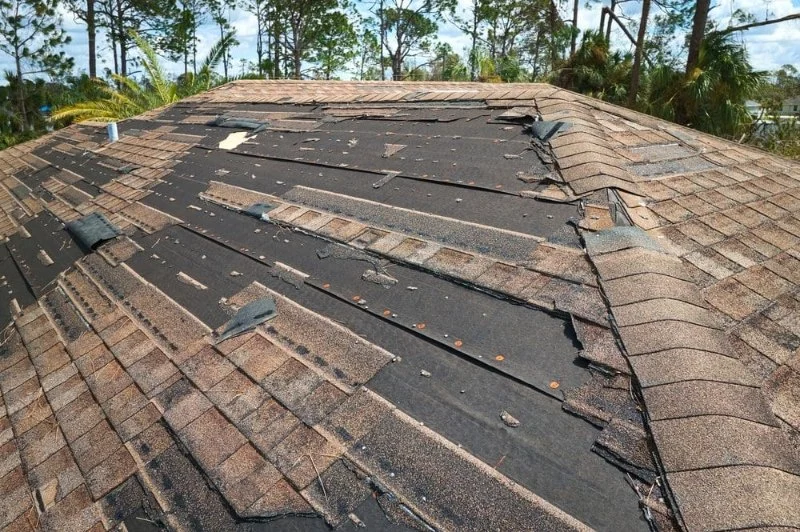
Roof Inspections After Major Storm Damage: What to Look For
- Why Roof Inspections Are Critical After a Storm
- Common Signs of Storm Damage to Your Roof
- Steps to Conduct a Roof Inspection
- When to Contact Roofing Professionals
- How to Choose the Right Roofing Service
- Maintaining Your Roof After Repairs
Why Roof Inspections Are Critical After a Storm
After a major storm, your roof may have sustained hidden damage that is not immediately visible from the ground. A thorough roof inspection is crucial to ensure that any damage is detected early, preventing further complications such as water leaks, mold growth, or structural issues. Whether you live in a region prone to heavy rainfall, strong winds, or snowstorms, regular roof inspections can save you significant repair costs in the long run and protect the integrity of your home.
Advanced Level Roofing / advanced level roofing winnipeg
1549 St Mary's Rd #101, Winnipeg, MB R2M 5G9, Canada
Common Signs of Storm Damage to Your Roof
Storms can cause a variety of damages to your roof, ranging from minor cosmetic issues to serious structural harm. Here are some common signs to watch out for:
Vancouver Moss Removal / moss removal near me
VancouverMetro VancouverBritish Columbia
1615 Frances St #105, Vancouver, BC V5L 1Z3, Canada
1. Missing or Damaged Shingles
One of the most obvious signs of storm damage is missing, cracked, or curled shingles. High winds and heavy rainfall can displace or tear off shingles, leaving your roof vulnerable to further damage. If you notice areas where the shingles are no longer intact, this is a clear indication that your roof needs attention.
2. Leaks and Water Stains
If water has started to leak into your attic or ceilings, it’s a sign that your roof has been compromised. Water stains on the ceiling or walls are often caused by damaged shingles or roofing materials. Even small leaks can lead to major structural damage if not addressed promptly.
3. Debris on the Roof
Storms can leave debris such as tree branches, leaves, or even large objects on your roof. These can cause damage to the shingles or other roofing materials, potentially leading to more serious issues if left unattended.
4. Sagging Roof Deck
A sagging roof deck indicates that there may be severe structural damage, possibly from water or wind-related impacts. This is a more serious issue that requires immediate professional attention to avoid potential collapse.
Steps to Conduct a Roof Inspection
If you feel confident and safe enough to inspect your roof yourself, here are the steps you should follow. However, if you're unsure, it’s best to hire a professional roofing service to ensure a thorough inspection.
1. Inspect the Exterior
Use a ladder to carefully inspect your roof’s surface from the ground. Look for any obvious signs of damage such as missing shingles, cracks, or debris. If you can get a closer look with binoculars, this can help you spot smaller issues that may not be immediately visible from the ground.
2. Check the Roof’s Flashing
Flashing around chimneys, vents, and skylights can be easily damaged by high winds or hail. Check to see if any flashing has been bent or displaced, as this can allow water to seep into your home, leading to leaks and water damage.
3. Examine the Gutters
Clogged or damaged gutters can prevent water from draining properly from your roof. Make sure the gutters are clear of debris and check for any signs of damage that could impede water flow. Damaged gutters can often lead to water pooling on your roof, which increases the risk of leaks.
4. Look for Internal Damage
Check your attic or upper floors for any signs of leaks or water stains. Pay close attention to the insulation and framing around the roof structure, as water can seep through small cracks and cause long-term damage if not addressed.
When to Contact Roofing Professionals
While it’s useful to conduct your own roof inspection, there are certain situations where professional help is necessary. If you notice any of the following, it’s time to call in the experts:
1. Extensive Damage
If you observe significant damage, such as missing sections of the roof or extensive leaks, it’s best to consult a professional roofer. They can provide a detailed assessment and recommend the most effective solutions.
2. Structural Issues
If you notice your roof is sagging, has holes, or shows signs of severe structural damage, immediate professional intervention is required to avoid more costly repairs down the road.
3. Difficulty Accessing the Roof
If you are unable to safely access your roof due to its height, steep pitch, or other physical barriers, it’s wise to contact a professional roofer. They have the necessary tools and safety equipment to inspect the roof properly.
How to Choose the Right Roofing Service
When selecting a roofing service to handle storm damage repairs, it’s essential to choose a reliable and experienced company. Here’s how to make the right decision:
1. Look for Local Experts
Choosing a local roofing service can be beneficial, as they are familiar with the common issues in your area and are likely to provide better service. Local roofers will also be quicker to respond in case of emergency repairs.
2. Check for Proper Licensing and Insurance
Make sure that the roofing company is licensed and insured. This ensures that they are qualified to perform repairs and that you are protected in case of accidents or further damage during the job.
3. Read Customer Reviews
Customer reviews and ratings can give you valuable insight into a roofing service’s reliability and quality of work. Look for a company with positive feedback and a good reputation for storm damage repairs.
Maintaining Your Roof After Repairs
Once your roof is repaired after a storm, proper maintenance is key to ensuring it remains in good condition for years to come. Here are some maintenance tips to consider:
1. Regular Inspections
Schedule periodic roof inspections to catch any minor issues before they become major problems. Regular inspections can help you maintain the integrity of your roof and ensure long-lasting protection for your home.
2. Clean the Roof and Gutters
Keep your roof clean from debris such as leaves, branches, and moss. Clogged gutters should also be cleaned regularly to allow for proper drainage. Neglecting roof and gutter maintenance can lead to water buildup, which could cause further damage to your roof.
3. Address Minor Issues Promptly
If you notice any small cracks or missing shingles, address them immediately. Minor issues can often be repaired quickly and inexpensively, preventing larger and costlier problems in the future.
If you're in need of reliable roofing services, be sure to visit Pickering Roofing. Our expert team is available to assess your roof after storm damage and offer the best solutions for repairs and maintenance. Contact us for professional assistance with your roofing needs.
 Maximus Roofing5.0 (18 reviews)
 New Steel Roofers4.0 (10 reviews)
 Master Roofer5.0 (33 reviews)
 Durable Roofing & Repairs5.0 (15 reviews)
 Seal-It Up Roofing Ltd4.0 (17 reviews)
 North America Roofing5.0 (73 reviews)
 How Much Does a New Roof Cost in 2025? Canadian Roofing Price Guide
 Top Signs Your Roof Has a Leak and What to Do About It in Canada
 Can You Install a New Roof Over an Old One in Canada?
 The Top Questions to Ask Before Hiring a Roofer in Canada
 What Are the Most Common Roofing Scams and How to Avoid Them in Canada
 How to Prepare Your Home for a Roofing Project in Canada