
- 1. Roofing Materials Overview
- 2. Asphalt Shingles Lifespan
- 3. Metal Roof Lifespan
- 4. Tile Roof Lifespan
- 5. Other Roofing Materials and Their Lifespan
- 6. Factors Affecting Roof Lifespan
- 7. Choosing the Right Roof for Your Home
1. Roofing Materials Overview
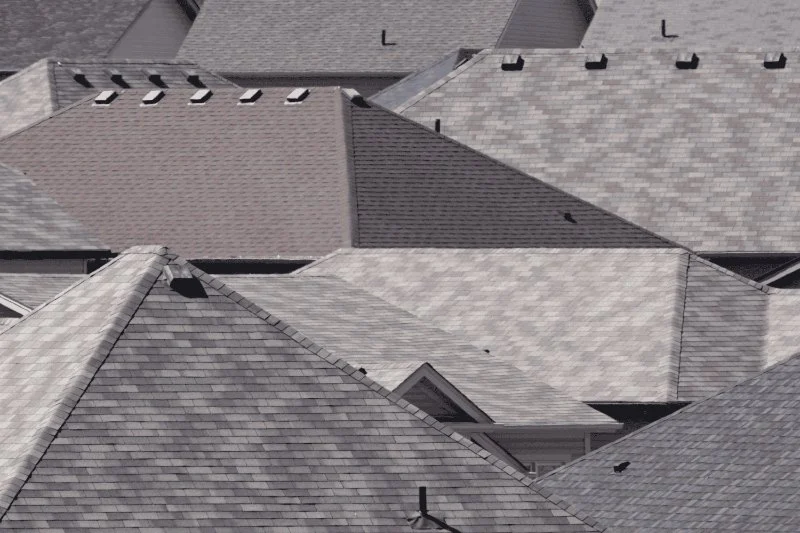
Choosing the right roofing material for your home is an essential decision that affects both the aesthetics and long-term durability of your property. With various roofing options available, it’s crucial to understand the lifespan of each material to ensure you make an informed decision. In this article, we’ll explore the typical lifespans of popular roofing materials, including asphalt shingles, metal roofs, and tile roofs, and help you determine which is the best fit for your home in Canada.
The lifespan of a roof is influenced by several factors, including the material, climate, installation quality, and maintenance. Let’s take a closer look at some of the most common roofing materials and how long they typically last.
Stokes Roofing / stokes roofing
PeterboroughPeterborough CountyOntario
641 Bellaire St, Peterborough, ON K9J 3Y5, Canada
2. Asphalt Shingles Lifespan
Asphalt shingles are one of the most commonly used roofing materials in Canada. They are popular due to their affordability, ease of installation, and decent lifespan. On average, asphalt shingles last between 15 to 30 years, depending on the quality of the shingles and the conditions they are exposed to.
The lifespan of asphalt shingles is influenced by several factors:
- Quality of Shingles: Higher-quality asphalt shingles tend to last longer, with some premium options lasting up to 40 years.
- Climate: Asphalt shingles are more prone to wear in extreme climates, such as areas with heavy snowfall, high winds, or intense heat.
- Maintenance: Regular maintenance, such as cleaning gutters and checking for damaged shingles, can help extend the life of an asphalt roof.
While asphalt shingles are not the longest-lasting option, they are often chosen for their cost-effectiveness and relatively straightforward replacement process. If you’re looking for a balance between lifespan and affordability, asphalt shingles are a solid choice.
Vancouver Moss Removal / moss removal north vancouver
VancouverMetro VancouverBritish Columbia
1615 Frances St #105, Vancouver, BC V5L 1Z3, Canada
3. Metal Roof Lifespan
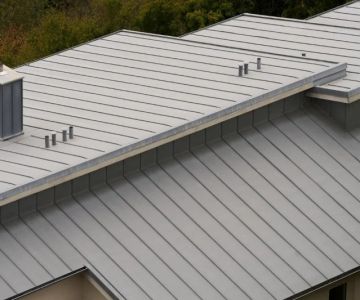
Metal roofing has become an increasingly popular option for homeowners in Canada, especially in areas where harsh weather conditions are common. Metal roofs are known for their durability, long lifespan, and energy efficiency. On average, a well-maintained metal roof can last anywhere from 40 to 70 years, depending on the type of metal and the quality of installation.
Some key benefits of metal roofs include:
- Durability: Metal roofs can withstand extreme weather conditions, including heavy snow, rain, and high winds, making them an ideal choice for Canadian winters.
- Minimal Maintenance: Metal roofs require less maintenance compared to other materials. They are resistant to issues like rot, mold, and mildew.
- Energy Efficiency: Metal roofs reflect heat, helping to keep your home cooler in the summer and reducing cooling costs.
Although metal roofs are more expensive upfront, their longevity and low maintenance costs make them an excellent investment in the long run. If you’re willing to invest more initially, a metal roof can save you money over time due to its extended lifespan.
4. Tile Roof Lifespan
Tile roofs, often made of clay or concrete, are a popular choice for homeowners seeking a distinctive, aesthetically pleasing look. Tile roofs have a longer lifespan than asphalt shingles, with many lasting 50 years or more. In some cases, well-maintained tile roofs can last up to 100 years, making them one of the most durable roofing options available.
Benefits of tile roofs include:
- Longevity: Tile roofs are highly resistant to the elements, including heat, rain, and snow. Their durability makes them an excellent choice for homes in regions with severe weather conditions.
- Fire Resistance: Tile roofs are non-combustible, providing excellent fire resistance compared to other roofing materials.
- Energy Efficiency: Tile roofs provide natural insulation, keeping homes cooler in the summer and warmer in the winter, which can help reduce energy bills.
While tile roofs are one of the longest-lasting options, they are also one of the most expensive. Additionally, tile roofs can be heavy, so it’s important to ensure that your home’s structure can support the weight of the tiles.
5. Other Roofing Materials and Their Lifespan
While asphalt, metal, and tile roofs are some of the most common materials, other options are available as well. These include:
- Wood Shingles: Wood roofs, made from cedar, pine, or redwood, typically last 30 to 50 years. However, they require regular maintenance and are more susceptible to mold and rot compared to other materials.
- Slate Roofs: Slate is a highly durable material that can last over 100 years with proper maintenance. It’s one of the most expensive roofing options, but it offers unparalleled longevity and aesthetic appeal.
- Synthetic Roofing: Made from rubber, plastic, or polymer, synthetic roofs offer a longer lifespan than asphalt shingles (typically 30-50 years) and are lightweight, durable, and often easier to install.
Choosing the right material depends on your budget, the climate in your area, and the aesthetic you’re hoping to achieve for your home.
6. Factors Affecting Roof Lifespan
The lifespan of any roof can be affected by various factors, including:
- Climate: Homes in regions with extreme weather conditions (heavy snow, rain, or heat) may experience a shorter roof lifespan. For example, metal roofs can last longer in snowy climates, while tile roofs are ideal for hot climates.
- Maintenance: Regular roof inspections and timely repairs can significantly extend the lifespan of your roof. Simple tasks like cleaning gutters, replacing damaged shingles, and sealing leaks can help prevent premature roof failure.
- Roof Installation: Proper installation by a professional roofing contractor is essential for ensuring the longevity of your roof. Poor installation can lead to early wear and tear, regardless of the material.
7. Choosing the Right Roof for Your Home
When selecting a roofing material, it’s essential to consider several factors to determine which one is best for your home. Here’s a quick guide:
- Budget: If you’re on a tight budget, asphalt shingles may be your best option. They are affordable and offer a reasonable lifespan, making them a good choice for homeowners who want a cost-effective solution.
- Longevity: If you’re looking for long-term investment and durability, a metal or tile roof may be a better choice. While they come with a higher initial cost, their long lifespan and minimal maintenance make them worth the investment.
- Climate Considerations: Choose a roofing material suited to your local climate. For example, metal roofs perform well in snowy areas, while tile roofs are perfect for hot, dry climates.
In conclusion, the right roof for your home depends on your budget, the local climate, and how long you plan to stay in your home. For expert advice on roofing materials and installation, visit Pickering Roofing to get the best recommendations tailored to your needs.
 Imperméabilisation Québec - Réparation, étanchéité et peinture de toitures - Déneigement de toitures5.0 (9 reviews)
 Testarossa Roofing Inc.5.0 (33 reviews)
 GTA Vertical Roofing INC5.0 (4 reviews)
 Above It All Roofing Inc Oakville5.0 (1 reviews)
 Newmarket Roofing5.0 (1 reviews)
 Whonnock Roofing Ltd Burnaby5.0 (2 reviews)
 How Much Does a New Roof Cost in 2025? Canadian Roofing Price Guide
 Top Signs Your Roof Has a Leak and What to Do About It in Canada
 Can You Install a New Roof Over an Old One in Canada?
 The Top Questions to Ask Before Hiring a Roofer in Canada
 What Are the Most Common Roofing Scams and How to Avoid Them in Canada
 How to Prepare Your Home for a Roofing Project in Canada