
- 1. Spring Roof Maintenance
- 2. Summer Roof Maintenance
- 3. Fall Roof Maintenance
- 4. Winter Roof Maintenance
- 5. Common Roof Issues to Look Out For
- 6. Roof Care Tips and Professional Help
- 7. Conclusion and Recommendations
1. Spring Roof Maintenance
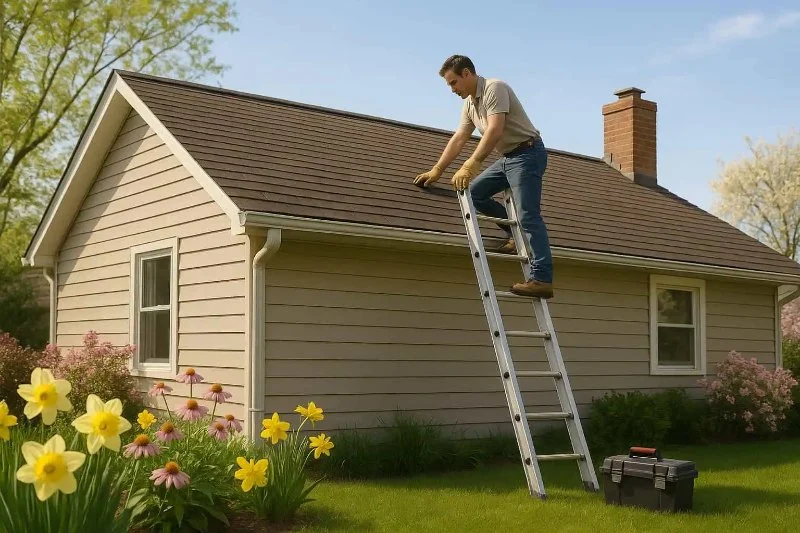
Spring is the perfect time to inspect and refresh your roof after the harsh winter months. Snow, ice, and cold temperatures can cause significant damage, so it's essential to identify issues early. Start by inspecting for signs of leaks, ice damming, or any debris left behind.
Atlas-Apex Roofing Inc. / atlas apex toronto
65 Disco Rd, Etobicoke, ON M9W 1M2, Canada
1.1 Check for Ice Dams
During winter, ice dams can form at the edges of the roof, preventing proper drainage. As temperatures rise in the spring, these ice dams may cause water to seep under shingles. Remove any ice buildup carefully, and ensure proper attic ventilation to prevent future ice dams.
Roof Rescue Ontario Inc. / trudel & sons roofing ltd
Whitchurch-StouffvilleRegional Municipality of YorkOntario
164 Hawthorn Ave, Whitchurch-Stouffville, ON L4A 4Y8, Canada
1.2 Inspect Shingles and Flashing
Check the condition of your shingles for any missing, cracked, or damaged areas. Pay close attention to flashing around vents, chimneys, and skylights. If flashing is damaged, it can lead to leaks, so be sure to replace or repair it as needed.
1.3 Clean Gutters and Downspouts
Winter storms can fill your gutters with debris, leaves, and even ice. Clean out your gutters and ensure that water flows freely through the downspouts. Clogged gutters can lead to water pooling on the roof, potentially causing damage to the structure.
2. Summer Roof Maintenance
Summer offers the ideal weather for roofing repairs, as the warm temperatures make it easier to spot and fix issues. During the summer months, it’s important to keep an eye on your roof's ability to withstand intense sunlight, heat, and occasional thunderstorms.
2.1 Check for Roof Heat Damage
High temperatures during the summer months can cause roofing materials to deteriorate over time. Inspect your roof for signs of sun damage, such as curled or brittle shingles. If any damage is found, consider replacing or repairing those areas to prevent leaks.
2.2 Inspect Roof Vents
Proper ventilation is key to maintaining the health of your roof. Check your roof vents to make sure they are clear and functioning. Poor ventilation can lead to trapped heat in the attic, which can accelerate wear on the roofing materials.
2.3 Addressing Storm Preparedness
Summer is also the time to prepare your roof for potential summer storms. Ensure that your roof is secure and can handle strong winds. Inspect for loose flashing, and check the integrity of all materials to make sure they can withstand a summer storm.
3. Fall Roof Maintenance
Fall is the time to prepare your roof for the cold months ahead. As leaves begin to fall, it’s essential to keep your roof clear to avoid damage during winter. Fall maintenance also helps ensure that your roof will be ready for snow and ice.
3.1 Clean Leaves and Debris
Falling leaves can clog gutters and create debris on your roof. It's essential to clean your roof and gutters before the first snowfall to prevent water buildup that can freeze and cause damage. Be cautious while cleaning to avoid damaging the roof surface.
3.2 Inspect Attic Insulation
Proper attic insulation is vital for regulating temperature and preventing ice dams in the winter. Check your attic for adequate insulation, and ensure there are no gaps that could cause heat to escape, leading to snowmelt and ice dam formation.
3.3 Seal Vulnerable Areas
Before the winter chill sets in, seal any gaps around vents, pipes, and chimneys. This will help prevent cold air from entering your home, and it will also protect against potential water infiltration when it rains or snows.
4. Winter Roof Maintenance
Winter roof maintenance focuses primarily on preventing and addressing ice dams, snow buildup, and ensuring the roof can handle the weight of snow and ice. Regular inspections and prompt action can prevent costly repairs later.
4.1 Remove Snow and Ice
Excessive snow and ice accumulation can cause significant damage to your roof. Use a roof rake to carefully remove snow from the edges of the roof, being careful not to damage shingles. If you notice ice dams forming, use an ice dam melting product to safely eliminate them.
4.2 Monitor Roof Leaks
Heavy snowfall and ice can cause leaks, especially around areas with poor flashing or roofing material damage. Regularly check the interior of your home for signs of water damage or leaks, and address them promptly before they escalate.
4.3 Inspect for Structural Integrity
In areas with heavy snow, it's crucial to monitor the weight load on your roof. Excessive snow accumulation can lead to structural damage. If you suspect too much weight, contact a professional roofing contractor to assess your roof’s capacity and remove snow safely.
5. Common Roof Issues to Look Out For
Roofing issues can arise at any time, especially if proper maintenance is neglected. Some common problems include:
5.1 Leaks and Water Damage
Leaks are one of the most common roofing issues, often resulting from damaged shingles, worn-out flashing, or clogged gutters. Regular inspections can help catch leaks early, preventing significant water damage inside your home.
5.2 Mold and Mildew
Moisture buildup can lead to mold and mildew growth on the roof. Regular ventilation checks, proper insulation, and prompt action to address leaks can prevent mold from spreading.
5.3 Damaged Shingles
Shingles can become brittle and break due to exposure to the elements. Regularly inspect your roof for damaged or missing shingles, and replace them as necessary to prevent further damage to your roof structure.
6. Roof Care Tips and Professional Help
Proper roof care ensures the longevity and health of your roof. If you encounter issues that require expertise, such as extensive leaks or damaged roofing materials, it’s always best to contact a professional roofing service.
6.1 Regular Professional Inspections
Consider scheduling professional roof inspections annually, especially if you live in an area with harsh weather conditions. A roofing expert can spot potential issues early, saving you money in the long run.
6.2 Choose Quality Roofing Materials
Investing in high-quality roofing materials can significantly reduce maintenance needs. When building or replacing your roof, ensure that you select durable materials designed to withstand the elements in Canada.
7. Conclusion and Recommendations
Roof maintenance is an ongoing task that ensures your roof remains durable, functional, and protective throughout the year. Following this seasonal checklist will help prolong the life of your roof and prevent costly repairs. Whether you're tackling the tasks yourself or seeking professional help, proper care is crucial to maintaining a safe and secure home.
If you're looking for expert roofing services or quality products, visit Pickering Roofing for reliable advice and assistance with your roof care needs.

 Pagani & Fils Couvreurs4.0 (11 reviews)
 Advanced Roofing & Sheet Metal5.0 (4 reviews)
 Milestone Aluminum Inc4.0 (34 reviews)
 Maura Roofing Ltd4.0 (3 reviews)
 PB Roofing and Exterior Ltd5.0 (16 reviews)
 Multi-Pose Extra3.0 (19 reviews)
 How Much Does a New Roof Cost in 2025? Canadian Roofing Price Guide
 Top Signs Your Roof Has a Leak and What to Do About It in Canada
 Can You Install a New Roof Over an Old One in Canada?
 The Top Questions to Ask Before Hiring a Roofer in Canada
 What Are the Most Common Roofing Scams and How to Avoid Them in Canada
 How to Prepare Your Home for a Roofing Project in Canada