
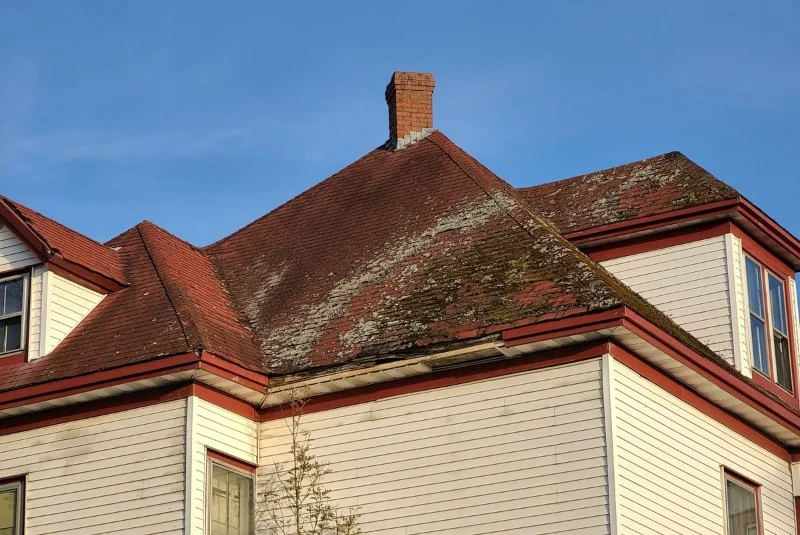
Roof Mold & Mildew Prevention: Ventilation, Insulation & Surface Treatment
- Proper Ventilation for Roofs
- The Role of Insulation in Mold Prevention
- Effective Surface Treatments to Prevent Mold
- The Importance of Regular Roof Maintenance
1. Proper Ventilation for Roofs
One of the key factors in preventing roof mold and mildew is proper ventilation. Without adequate airflow, moisture can build up in your attic, leading to mold growth. Proper ventilation helps to regulate temperature and humidity levels, preventing condensation, which is the main cause of mold and mildew.
Ensure your roof has the right balance of intake and exhaust vents. Intake vents allow fresh air to flow into the attic, while exhaust vents allow warm, moist air to escape. Properly installed ridge vents and soffit vents can provide continuous airflow, reducing the chances of mold growth. Regularly check that vents are free from obstructions like leaves or debris that could block airflow.
Atlas-Apex Roofing Inc. / atlas apex toronto
65 Disco Rd, Etobicoke, ON M9W 1M2, Canada
2. The Role of Insulation in Mold Prevention
Insulation plays a crucial role in preventing roof mold and mildew. Poorly insulated attics are more prone to temperature fluctuations, which can lead to condensation. When warm, moist air from the living areas rises into the attic, it can condense on the cold surfaces of the roof, creating an ideal environment for mold and mildew to thrive.
To prevent this, ensure that your attic is properly insulated. Insulation helps to maintain a consistent temperature, reducing the chances of condensation. Installing insulation that meets local building codes and is suitable for your climate is key to preventing mold. Additionally, consider adding a vapor barrier to control moisture and further protect your roof from potential damage.
Roof Rescue Ontario Inc. / trudel & sons roofing ltd
Whitchurch-StouffvilleRegional Municipality of YorkOntario
164 Hawthorn Ave, Whitchurch-Stouffville, ON L4A 4Y8, Canada
3. Effective Surface Treatments to Prevent Mold
Surface treatments are another effective way to prevent mold and mildew on your roof. Applying mold-resistant coatings to the roof surface can create a barrier that prevents mold from forming. These coatings are specially designed to repel moisture and inhibit the growth of mold and mildew.
If you live in an area with high humidity or frequent rain, using anti-mold roof treatments is highly recommended. These treatments are typically applied every few years and can significantly extend the lifespan of your roof while keeping it clean and free from mold growth. Be sure to consult with a roofing professional to choose the right treatment for your roof material.
4. The Importance of Regular Roof Maintenance
Preventing mold and mildew requires more than just one-time treatments or fixes. Regular roof maintenance is essential to ensuring that your roof remains free from mold and mildew. Inspect your roof at least twice a year—once in the spring and again in the fall. Look for signs of damage, leaks, or areas with poor ventilation.
During these inspections, make sure to clean gutters and downspouts, as clogged gutters can cause water to back up and leak into the roof, leading to potential mold growth. You should also check for signs of water damage or stains on your ceilings, as these may indicate roof leaks that need immediate attention. Performing regular roof maintenance can save you from costly repairs in the future and help keep your home safe and dry.
For expert roofing solutions and products to help prevent roof mold and mildew, visit Pickering Roofing for the best options available.
 Golden Horseshoe Roofing5.0 (84 reviews)
 Maplewood Roofing & Property Maintenance1.0 (2 reviews)
 Tectra Group Inc.3.0 (8 reviews)
 Roof Pro Plus Home Improvements3.0 (50 reviews)
 Benoit Tremblay Inc4.0 (8 reviews)
 Above It All Roofing Inc5.0 (34 reviews)
 How Much Does a New Roof Cost in 2025? Canadian Roofing Price Guide
 Top Signs Your Roof Has a Leak and What to Do About It in Canada
 Can You Install a New Roof Over an Old One in Canada?
 The Top Questions to Ask Before Hiring a Roofer in Canada
 What Are the Most Common Roofing Scams and How to Avoid Them in Canada
 How to Prepare Your Home for a Roofing Project in Canada