
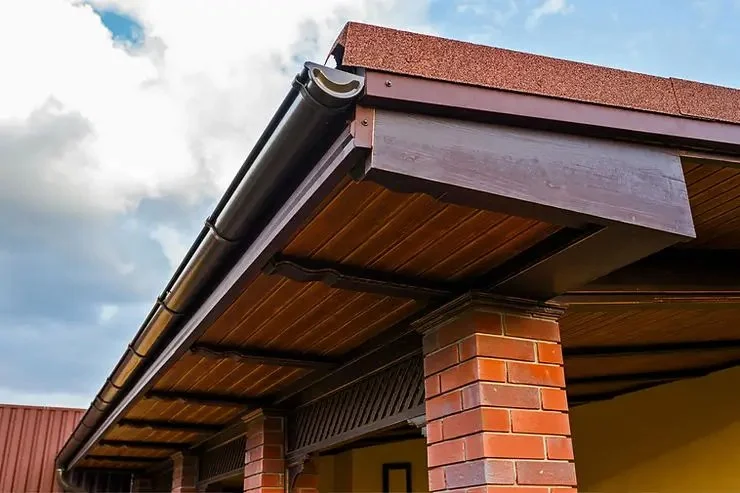
Roof Overhangs: How Much Overhang Is Enough to Protect Your Walls & Foundation
- 1. Why Roof Overhangs Are Important
- 2. How Much Overhang Is Enough to Protect Your Walls & Foundation?
- 3. Factors Affecting Roof Overhang Design
- 4. Common Roof Overhang Mistakes to Avoid
- 5. How Pickering Roofing Can Help You Design the Perfect Roof
1. Why Roof Overhangs Are Important
Roof overhangs are more than just an aesthetic feature of your home or building. They serve an essential function in protecting the structure from the elements, especially in regions where heavy rainfall, snow, or high winds are common. A well-designed roof overhang can prevent water from running down the sides of your walls, which can lead to water damage, rotting, and deterioration of your building's foundation.
In addition to protecting the exterior of your building, roof overhangs help regulate temperature. By blocking direct sunlight during the summer months, they can keep your home cooler, reducing the need for air conditioning. In winter, they allow for sunlight to enter and warm the interior, reducing heating costs. Understanding the importance of roof overhangs is the first step in designing a roof that will truly protect your home for years to come.
Best Roofer & Renovation / best roofing toronto
2967 Dundas St W #1584, Toronto, ON M6P 1Z2, Canada
2. How Much Overhang Is Enough to Protect Your Walls & Foundation?
The optimal roof overhang size can vary depending on several factors, such as climate, architectural style, and specific building requirements. However, there are general guidelines to follow when determining how much overhang is necessary to protect your walls and foundation from water damage and other environmental factors.
SGM Construction Roofing / sgmconstruction.ca
287 Epsom Downs Dr, North York, ON M3M 1T5, Canada
1. Standard Overhang Sizes
In general, roof overhangs typically range from 12 inches to 24 inches, but this can vary. In many cases, a 12- to 18-inch overhang is sufficient to keep water away from the walls and foundation in most climates. For areas with heavy rainfall or snow, a longer overhang, closer to 24 inches, may be necessary to ensure proper protection. The idea is to extend the roofline far enough so that water drains off and doesn’t flow down the walls or foundation.
2. Consideration for Climate
In coastal areas or regions with significant rainfall, your roof overhangs may need to be longer to protect your walls from constant exposure to moisture. The extra length helps direct the rain away from the building, reducing the risk of water damage. Similarly, in colder climates, longer overhangs can prevent snow and ice from accumulating on the roof, which can lead to dangerous ice dams and potential damage to the roof and gutters.
3. Architectural Considerations
Architectural style plays a significant role in determining roof overhang sizes. Traditional styles, such as Craftsman or Colonial, often have extended overhangs as part of the design aesthetic. Conversely, modern homes may have shorter overhangs, but even then, functional overhangs are necessary for protection. When designing your roof, consider the overall appearance you want to achieve while ensuring it provides adequate protection from the elements.
3. Factors Affecting Roof Overhang Design
Several factors influence the design and size of your roof overhang. These include:
1. Roof Pitch
The steeper the roof pitch, the less overhang is typically required. A steeply pitched roof allows water to flow off quickly, reducing the need for a long overhang. On the other hand, a low-pitched roof may require a longer overhang to ensure water is directed away from the structure.
2. Local Building Codes
Before designing your roof overhang, it’s essential to check with local building codes. Some areas may have specific requirements for roof overhang sizes, particularly in regions with heavy snow loads or high winds. Ensuring compliance with local regulations can prevent potential issues when constructing or renovating your home.
3. Gutter Systems
Roof overhangs work in conjunction with gutter systems to direct water away from the building. A well-placed gutter system can reduce the need for an excessively long overhang. However, if your gutters are undersized or improperly installed, a longer overhang might be necessary to compensate for the inefficient drainage.
4. Common Roof Overhang Mistakes to Avoid
When designing roof overhangs, there are several common mistakes that homeowners should avoid:
1. Overestimating the Need for a Long Overhang
While it’s essential to have adequate protection, it’s possible to overestimate the need for a long roof overhang. Too much overhang can lead to excessive shadowing, which could potentially affect the structure’s energy efficiency, particularly in the winter months. Additionally, long overhangs may put undue stress on the building’s frame or result in excessive water runoff if not properly directed.
2. Ignoring Roof Pitch and Climate
Failing to consider your roof’s pitch and the local climate can lead to either under or over-designing your overhang. For example, in areas with a lot of snow, a steep roof pitch and long overhangs are essential to prevent ice dams, while in areas with heavy rainfall, slightly longer overhangs may be needed to keep water away from the foundation.
3. Neglecting Maintenance Needs
Roof overhangs require regular maintenance, especially in areas prone to high winds or heavy rain. Clogged gutters, broken shingles, or damaged flashing can reduce the effectiveness of your roof overhang, leading to water damage. It’s important to inspect and maintain your roof regularly to ensure it continues to provide optimal protection.
5. How Pickering Roofing Can Help You Design the Perfect Roof
At Pickering Roofing, we specialize in designing roofs that offer optimal protection for your home, including the right roof overhang size to suit your needs. Our expert team can assess your property’s specific requirements based on your local climate, roof pitch, and building style, ensuring that your roof overhang is both functional and aesthetically pleasing.
Whether you're building a new home or replacing your current roof, Pickering Roofing offers reliable roofing solutions that are built to last. Visit Pickering Roofing for expert advice and services tailored to your home’s needs.
 Gaowin International Ltd0.0 (0 reviews)
 Jakes Roof Repairs5.0 (35 reviews)
 ROOFING TEAM INC.4.0 (8 reviews)
 Runda Roofing Inc4.0 (13 reviews)
 Superior Roofing Ltd4.0 (160 reviews)
 Alba Roofing4.0 (11 reviews)
 How Much Does a New Roof Cost in 2025? Canadian Roofing Price Guide
 Top Signs Your Roof Has a Leak and What to Do About It in Canada
 Can You Install a New Roof Over an Old One in Canada?
 The Top Questions to Ask Before Hiring a Roofer in Canada
 What Are the Most Common Roofing Scams and How to Avoid Them in Canada
 How to Prepare Your Home for a Roofing Project in Canada