
- 1. Introduction to Roof Repair Danger Zones
- 2. Roof Valleys: The Hidden Danger
- 3. Eaves: How to Keep Them Secure
- 4. Chimney Connections: Preventing Leaks
- 5. Roof Repair Prevention: Tips and Best Practices
- 6. Conclusion: Ensuring Long-Term Roof Health
1. Introduction to Roof Repair Danger Zones
When it comes to roof repair, certain areas of your home are more prone to damage than others. Understanding these danger zones—specifically the valleys, eaves, and chimney connections—can help prevent costly repairs and keep your home safe from water damage. In this article, we’ll take a close look at each of these vulnerable areas and provide expert advice on how to address and maintain them effectively.
2. Roof Valleys: The Hidden Danger
Roof valleys, the areas where two roof planes meet, are a common source of leaks and water damage. These sections are especially vulnerable because they direct rainwater and melting snow toward a concentrated spot, making them susceptible to wear and tear. Over time, the buildup of debris like leaves and branches can cause clogs that exacerbate water accumulation, leading to leaks or even rot.
To prevent damage, it’s essential to regularly clean your roof valleys and check for any signs of wear. A proper flashing installation in these areas can also significantly reduce the risk of water infiltration. If you notice leaks or sagging in the valleys, it’s crucial to have them repaired immediately to avoid further damage to the roofing system.
Roof Doctor / roof doctors
KelownaCentral OkanaganBritish Columbia
715 Evans Ct, Kelowna, BC V1X 6G4, Canada
3. Eaves: How to Keep Them Secure
Eaves, the edges of your roof that extend beyond the walls of your house, are another critical area that requires attention. These areas often experience a buildup of ice and water during the winter months, which can cause the roof’s edges to sag or become damaged. In addition, eaves can accumulate debris and insects, which might lead to further damage if left unchecked.
To maintain your eaves, ensure that your gutters are clean and free from debris to allow water to flow freely. If you live in an area prone to heavy snowfall or freezing temperatures, consider installing ice dams to protect your eaves from ice buildup. Regularly inspecting the eaves for any signs of damage or rotting wood is essential to prevent larger structural issues.
4. Chimney Connections: Preventing Leaks
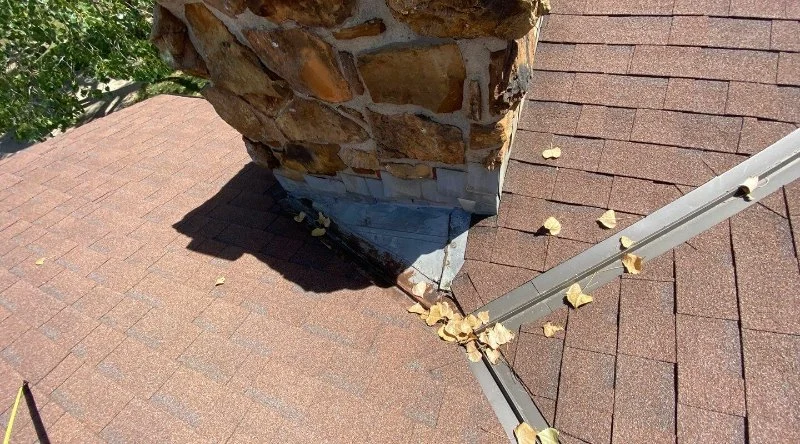
Chimney connections are another common danger zone in roof repair. The area where the chimney meets the roof is prone to leaks, especially if the flashing around the chimney becomes loose or damaged. The constant exposure to weather elements, such as rain, snow, and high winds, can cause flashing to deteriorate, leading to water leaks and potential mold growth inside your home.
To prevent chimney leaks, ensure the flashing is tightly sealed around the chimney base. It’s also important to inspect the chimney regularly for any cracks or damage that could compromise its structure. A professional roof inspection is highly recommended if you notice any signs of leakage near the chimney area.
5. Roof Repair Prevention: Tips and Best Practices
Proper maintenance is key to extending the life of your roof and preventing major repairs. Here are a few tips for keeping your roof in top shape:
- Regular Inspections: Schedule routine roof inspections to identify potential issues early. This can help you catch problems before they become costly repairs.
- Clean Gutters: Ensure your gutters are free of debris, especially in the fall, to prevent water buildup around your valleys and eaves.
- Professional Repairs: If you notice any significant damage, such as cracked flashing or sagging valleys, call a professional roofer to fix the problem before it worsens.
By staying on top of maintenance tasks and addressing any issues early on, you can keep your roof in great condition for years to come.
6. Conclusion: Ensuring Long-Term Roof Health
Understanding the dangers of roof valleys, eaves, and chimney connections is vital for every homeowner. By maintaining these critical areas and addressing issues as soon as they arise, you can save money on costly repairs and prevent significant water damage. Regular inspections, proper cleaning, and timely repairs are essential to ensuring the longevity and health of your roof. If you're unsure about your roof’s condition, don’t hesitate to consult a roofing professional for expert advice and service.
For more helpful roof care tips and reliable roofing services, be sure to check out Pickering Roofing for the best solutions to all your roofing needs!
 Walker Sheet Metal & Roofing Ltd0.0 (0 reviews)
 JMK Roofing & Renos4.0 (56 reviews)
 Metropolitan Contracting Inc.5.0 (4 reviews)
 AYB Roofing5.0 (9 reviews)
 Baraco Roofing Services Inc5.0 (4 reviews)
 Impressed Roofing5.0 (74 reviews)
 How Much Does a New Roof Cost in 2025? Canadian Roofing Price Guide
 Top Signs Your Roof Has a Leak and What to Do About It in Canada
 Can You Install a New Roof Over an Old One in Canada?
 The Top Questions to Ask Before Hiring a Roofer in Canada
 What Are the Most Common Roofing Scams and How to Avoid Them in Canada
 How to Prepare Your Home for a Roofing Project in Canada