
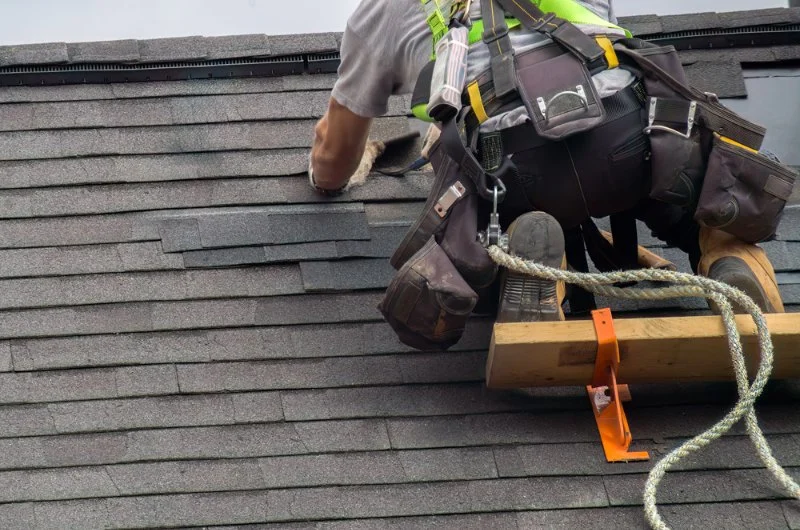
1. Roof Repair Techniques for Ceilings Damaged by Moisture
Moisture damage to ceilings is a common problem for homeowners, particularly after roof leaks or inadequate roof ventilation. When left unaddressed, water damage can cause structural issues, mold growth, and even a complete ceiling collapse. Understanding the best roof repair techniques for ceilings damaged by moisture is crucial to avoid these risks and restore your home to its original condition.
In this article, we will guide you through the process of repairing a ceiling affected by moisture, from identifying the source of the problem to implementing the right repair techniques. Whether you're dealing with small stains or significant damage, these steps will help you ensure a lasting solution.
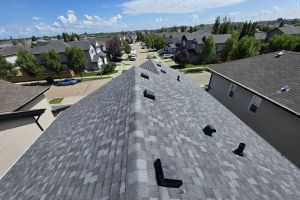
Advanced Level Roofing / advanced level roofing winnipeg
1549 St Mary's Rd #101, Winnipeg, MB R2M 5G9, Canada
2. Understanding the Cause of Ceiling Damage
Before beginning any repair work, it's essential to understand the root cause of the ceiling damage. Identifying and addressing the source of moisture will prevent future issues and ensure a successful repair. Here are some common causes of ceiling damage due to moisture:
Stokes Roofing / stokes roofing
PeterboroughPeterborough CountyOntario
641 Bellaire St, Peterborough, ON K9J 3Y5, Canada
a. Roof Leaks
One of the most common causes of ceiling moisture damage is roof leaks. Over time, the roof can develop cracks, missing shingles, or deteriorated flashing, allowing water to seep into the attic. When water accumulates in the attic, it can easily trickle down into the ceiling, causing staining and, if left unchecked, structural damage.
b. Condensation
Inadequate ventilation in the attic can cause condensation to form on the underside of the roof, leading to moisture buildup that drips down into the ceiling. This is particularly common in colder months when warm indoor air meets the cold roof. Improper insulation can exacerbate this issue, causing persistent moisture problems.
c. Flooding or Water Spills
While less common, flooding or major water spills from burst pipes can also damage ceilings. When water pools on the floor above the ceiling, it may soak into the ceiling material, causing severe water damage. Immediate attention is required to mitigate the damage in such cases.
3. Repairing Ceilings Damaged by Moisture
Once the source of moisture is identified and addressed, the next step is repairing the ceiling. Here are the essential steps involved in fixing ceilings damaged by moisture:
a. Inspect the Damage
The first step in any repair process is thoroughly inspecting the ceiling for damage. This includes checking for wet or soft spots, stains, and mold growth. Pay close attention to areas where moisture has been present for an extended period, as these are more likely to be severely damaged. If the damage is minor, you may be able to repair it yourself. However, if the ceiling has been significantly affected or shows signs of structural compromise, it's best to consult a professional.
b. Address the Source of Moisture
Before beginning any ceiling repairs, it's crucial to stop the moisture from coming in. This may involve fixing the roof leak, improving attic ventilation, or addressing any plumbing issues. If the source of moisture isn't addressed first, the damage will continue to worsen, making the repair process ineffective and potentially dangerous.
c. Dry Out the Ceiling
Drying the ceiling is an essential step to prevent further damage and mold growth. If the ceiling has been exposed to significant moisture, use dehumidifiers and fans to speed up the drying process. Ensure that the room is well-ventilated to allow moisture to escape. It’s important to allow enough time for the ceiling to fully dry before starting repairs, as repairing a damp ceiling can trap moisture inside, leading to mold and mildew problems.
d. Replace Damaged Ceiling Materials
If the ceiling material (such as drywall or plaster) has been severely damaged, it will need to be replaced. Cut out the damaged sections and dispose of them properly. When replacing drywall, ensure that the new material is moisture-resistant to prevent future water damage. For plaster ceilings, it may be necessary to patch cracks and reinforce areas affected by moisture.
e. Paint and Finish
Once the repairs are complete and the ceiling is dry, it's time to repaint and finish the surface. Use a high-quality primer to seal the repaired area and prevent any remaining moisture from causing future damage. Follow up with a coat of paint that matches the rest of the ceiling. Consider using mold-resistant paint in areas that are prone to moisture, as it can help prevent mold growth in the future.
4. Preventing Future Moisture Damage to Ceilings
After repairing the ceiling, it’s important to take steps to prevent future moisture damage. Here are a few preventive measures you can take to safeguard your home:
a. Improve Roof Ventilation
Proper roof ventilation is essential for preventing condensation buildup in the attic. Ensure that your attic has adequate airflow by installing vents at the eaves and ridge of the roof. This will help regulate temperature and moisture levels, reducing the risk of condensation and water damage to the ceiling.
b. Schedule Regular Roof Inspections
Regular roof inspections can help identify issues before they cause significant damage. Check for cracked shingles, damaged flashing, or debris that might be obstructing the roof’s drainage. If you notice any problems, address them promptly to prevent water from infiltrating the building.
c. Insulate Your Attic
Proper attic insulation can help prevent temperature fluctuations that lead to condensation. Insulating your attic space keeps the temperature in your home more stable and reduces the chances of warm, moist air meeting the cold roof, which could lead to moisture buildup in the ceiling.
5. Why Choose Pickering Roofing for Roof Repair
If your home is experiencing ceiling damage due to moisture, Pickering Roofing is here to help. Our team of expert roofers specializes in repairing roof leaks and addressing moisture damage in ceilings. We use high-quality materials and proven techniques to restore your home’s roof and ceiling to their original condition, ensuring long-term protection from moisture and leaks.
Contact Pickering Roofing today for a consultation and get professional help with your roof repair needs. We’re committed to providing reliable and affordable services to keep your home safe and dry!
 Concept Roofing Ltd.5.0 (4 reviews)
 Halton Roofing4.0 (50 reviews)
 Roofing Contractors Alliance Of Canada.1.0 (1 reviews)
 Custom Contracting Roofing & Eavestrough Repair Waterloo5.0 (11 reviews)
 Reliable Roofers5.0 (33 reviews)
 No Water Roofing4.0 (124 reviews)
 How Much Does a New Roof Cost in 2025? Canadian Roofing Price Guide
 Top Signs Your Roof Has a Leak and What to Do About It in Canada
 Can You Install a New Roof Over an Old One in Canada?
 The Top Questions to Ask Before Hiring a Roofer in Canada
 What Are the Most Common Roofing Scams and How to Avoid Them in Canada
 How to Prepare Your Home for a Roofing Project in Canada