
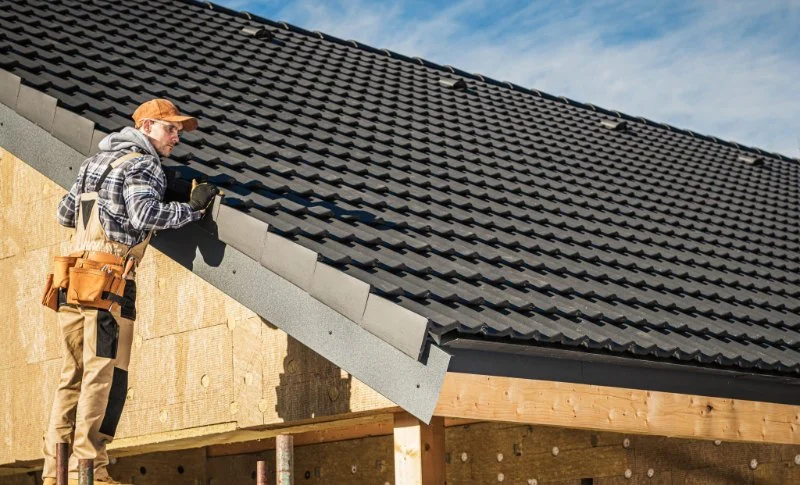
1. Introduction: The Environmental Impact of Roof Replacement
Roof replacement is a significant undertaking, not only in terms of cost and labor but also in its environmental impact. As homeowners and businesses in Canada become more aware of sustainability, the environmental costs associated with roof replacements are receiving more attention. One effective way to assess these costs is through a life cycle assessment (LCA), which looks at the environmental impact of roofing materials from production to disposal.
This article will explore how life cycle assessments are used to evaluate the environmental costs of replacing roofs and provide insights into making greener, more sustainable choices for your next roofing project.
Toiture Royale Expert Inc. / toiture royale expert
LévisChaudière-AppalachesQuébec
7921 Rue de l'Orge, Lévis, QC G6Y 0G1, Canada
2. What is Life Cycle Assessment (LCA) and Why Is It Important for Roof Replacement?
A life cycle assessment (LCA) is a method used to evaluate the environmental impact of a product or process from its inception to its end-of-life. For roof replacement, an LCA takes into account the full life span of the roofing material, including the manufacturing process, transportation, installation, maintenance, and disposal or recycling.
By understanding the life cycle of roofing materials, homeowners and businesses can make more informed decisions about which materials to choose for their roof replacement, potentially reducing the environmental impact and contributing to long-term sustainability.
The key stages of a roof’s life cycle include:
- Material Extraction: The environmental impact of sourcing raw materials for roofing, such as mining and harvesting.
- Manufacturing: The energy and resources used to manufacture roofing products.
- Transportation: The carbon footprint associated with transporting roofing materials to the job site.
- Installation: The impact of installing the roof, including energy usage and waste generation.
- Maintenance: The long-term care required to maintain the roof’s integrity, such as repairs and coatings.
- End-of-Life Disposal or Recycling: The disposal methods for roofing materials at the end of their service life, including landfilling or recycling options.
3. Environmental Costs of Roof Replacement
Roof replacement can have several environmental costs, especially when traditional materials like asphalt shingles are used. Some of the main environmental concerns include:
- Waste Generation: Old roofing materials often end up in landfills, contributing to waste and pollution. Asphalt shingles, in particular, are one of the most common types of roofing material that are disposed of in landfills.
- Energy Consumption: The production of roofing materials requires significant energy. For instance, the process of manufacturing metal, tile, or asphalt shingles consumes fossil fuels and releases greenhouse gases.
- Carbon Emissions: The transportation of roofing materials from manufacturers to installation sites also contributes to the carbon footprint of the project. Trucks used for delivery emit carbon dioxide and other pollutants.
- Raw Material Extraction: The extraction of raw materials for roofing, such as mining for metals or quarrying for tiles, can lead to habitat destruction and environmental degradation.
4. Eco-Friendly Roofing Options: Reducing the Environmental Impact
As environmental concerns continue to rise, many homeowners are looking for eco-friendly alternatives to traditional roofing materials. By opting for sustainable roofing solutions, you can significantly reduce the environmental costs associated with roof replacement. Here are some options to consider:
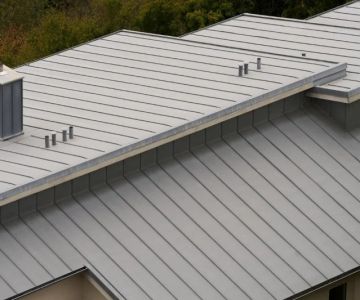
- Metal Roofing: Metal roofs are durable, long-lasting, and highly recyclable. They often have a longer life span than traditional roofing materials, reducing the need for frequent replacements. Additionally, many metal roofs are made from recycled materials, further decreasing their environmental footprint.
- Clay and Concrete Tiles: Clay and concrete tiles are made from natural materials and are often more energy-efficient than asphalt shingles. These materials are also highly durable and have a long life span, reducing the need for frequent replacements.
- Cool Roofs: Cool roofs are designed to reflect more sunlight and absorb less heat, helping to reduce energy consumption in buildings. These roofs are made from reflective materials, which help reduce the urban heat island effect and lower cooling costs.
- Recycled Roofing Materials: Some roofing manufacturers now offer shingles made from recycled materials, such as rubber, plastic, and wood fibers. These eco-friendly options help divert waste from landfills and reduce the demand for raw materials.
5. The Benefits of Sustainable Roof Replacement
Choosing a sustainable roofing solution comes with several benefits beyond just environmental impact. These benefits include:
- Cost Savings: While the initial cost of eco-friendly roofing materials may be higher, they often lead to long-term savings through increased energy efficiency, longer life spans, and lower maintenance costs.
- Improved Indoor Comfort: Cool roofs and well-insulated roofing materials can help maintain a comfortable indoor temperature, reducing the need for air conditioning and heating.
- Increased Property Value: Homes with energy-efficient and eco-friendly roofs are often more attractive to buyers and can fetch higher resale values.
- Compliance with Regulations: As sustainability becomes more important, some regions are introducing stricter building codes and energy efficiency standards. Installing eco-friendly roofing can help ensure compliance with these regulations.
6. Case Study: How Eco-Friendly Roofing Saved Money and Reduced Environmental Impact
Consider the case of a family in Ontario who decided to replace their aging asphalt shingle roof with a metal roofing system. The old roof had been prone to leaks, required frequent repairs, and was not energy-efficient. After opting for a metal roof, the family noticed a significant reduction in their heating and cooling costs, thanks to the metal’s reflective properties.
Additionally, the metal roofing system was made from recycled materials and is 100% recyclable at the end of its life cycle. Not only did the family reduce their environmental impact, but the long-lasting nature of the metal roof means they won’t have to replace it for decades, saving them money in the long run.
Atlas-Apex Roofing Inc. / atlas apex toronto
65 Disco Rd, Etobicoke, ON M9W 1M2, Canada
7. How Pickering Roofing Can Help with Sustainable Roof Replacement
If you're considering a roof replacement and want to reduce your environmental impact, Pickering Roofing is here to help. Our team specializes in sustainable roofing solutions that minimize waste, reduce energy consumption, and improve your home’s energy efficiency. Whether you’re interested in metal roofing, cool roofs, or other eco-friendly options, we can guide you through the selection and installation process. Visit us today to learn more about our green roofing solutions and how they can benefit your home.
8. Conclusion: Making Sustainable Choices for Your Roof Replacement
Roof replacement is a significant investment, and it’s important to consider the environmental costs associated with the project. By opting for sustainable roofing materials and considering the full life cycle of your roof, you can make a positive impact on the environment while also benefiting from long-term savings and increased energy efficiency. Whether you’re installing a cool roof, choosing metal roofing, or opting for recycled materials, making the right choice today can lead to a greener tomorrow.
 J L Dufour Roofing Services Ltd4.0 (20 reviews)
 Couvreur Lefrançois3.0 (14 reviews)
 Pollard Enterprises Ltd2.0 (17 reviews)
 DB Roofing5.0 (4 reviews)
 BRIGHTERDAYS ROOFING LTD.0.0 (0 reviews)
 Rydel Roofing4.0 (36 reviews)
 How Much Does a New Roof Cost in 2025? Canadian Roofing Price Guide
 Top Signs Your Roof Has a Leak and What to Do About It in Canada
 Can You Install a New Roof Over an Old One in Canada?
 The Top Questions to Ask Before Hiring a Roofer in Canada
 What Are the Most Common Roofing Scams and How to Avoid Them in Canada
 How to Prepare Your Home for a Roofing Project in Canada