
- 1. Identifying Water Damage to Your Roof
- 2. The Step-by-Step Process of Roof Restoration
- 3. Common Problems Caused by Water Damage
- 4. Choosing the Right Roofing Contractor for Restoration
- 5. Real-Life Case Study of Roof Restoration
1. Identifying Water Damage to Your Roof
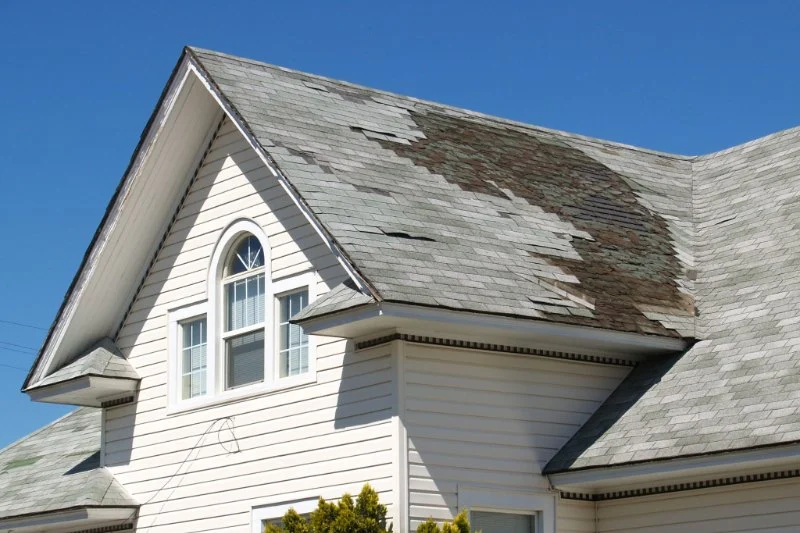
Water damage to your roof can occur due to leaks caused by heavy rain, storms, or a compromised roofing system. Identifying the damage early is crucial to preventing further complications, such as mold growth or structural issues. Here’s how you can spot signs of water damage:
Lam Metal / lam metals
BurnabyMetro VancouverBritish Columbia
6962 Buller Ave, Burnaby, BC V5J 4V4, Canada
1.1 Stains or Discoloration on the Ceiling
One of the most common signs of water damage is discoloration on your ceiling, often in the form of yellow or brown spots. These stains indicate that water has infiltrated the roofing system and is leaking into the interior of your home.
Vancouver Moss Removal / moss removal north vancouver
VancouverMetro VancouverBritish Columbia
1615 Frances St #105, Vancouver, BC V5L 1Z3, Canada
1.2 Sagging or Warped Roof
If your roof shows signs of sagging or the decking appears to be warping, it’s a clear indication that water has been absorbed into the structure. This can weaken the integrity of the roof, making repairs necessary to prevent further damage.
1.3 Mold and Mildew Growth
When water enters your home, it creates the perfect environment for mold and mildew growth. These fungi thrive in damp conditions and can appear on ceilings, walls, or even under the roof shingles. Mold can cause health problems, so addressing water damage quickly is essential.
2. The Step-by-Step Process of Roof Restoration
Restoring your roof after water damage requires a thorough process to ensure the damage is addressed properly. Below is the typical step-by-step procedure for roof restoration:
2.1 Inspection and Assessment
The first step in any roof restoration is a detailed inspection. A professional roofing contractor will assess the extent of the water damage, checking for structural issues, mold, and compromised materials. The contractor will then provide a detailed report, including a plan for the restoration and an estimate for the cost of repairs.
2.2 Roof Drying and Water Removal
Before any repairs can begin, the roofing system must be thoroughly dried. This involves removing standing water, drying out the insulation, and using dehumidifiers to eliminate excess moisture in the structure. This step is crucial to prevent further damage and mold growth.
2.3 Repairing the Roof Deck and Shingles
If the roof deck or shingles are damaged, they will need to be repaired or replaced. Depending on the extent of the damage, this may involve replacing damaged wood, reinforcing the structure, or installing new shingles to restore the roof’s integrity.
2.4 Installing a Protective Coating
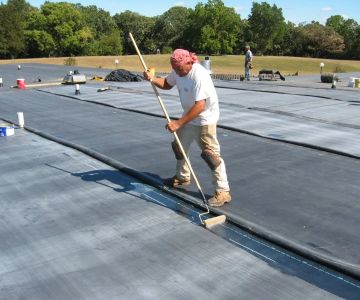
Once repairs are completed, many contractors apply a protective coating to the roof. This helps seal any minor gaps or cracks, providing an additional layer of protection against future water damage. The coating can also improve the roof’s energy efficiency by reflecting heat away from the home.
2.5 Final Inspection and Cleanup
The final step in roof restoration is a thorough inspection to ensure that all damage has been repaired and that the roof is structurally sound. The contractor will also clean up any debris, ensuring your property is left in good condition.
3. Common Problems Caused by Water Damage
Water damage can lead to several complications that affect both the roof and the interior of your home. Here are some of the most common problems that can arise from water damage:
3.1 Mold and Mildew Growth
Mold and mildew can spread quickly in water-damaged areas, causing both health problems and further structural damage. Mold can weaken roofing materials and spread to walls, making it more difficult and expensive to remove.
3.2 Roof Deformation and Weakness
As water seeps into the roofing materials, it can cause wood to rot, metal to rust, and shingles to become warped or loose. This weakens the roof and can lead to more severe damage if not addressed promptly.
3.3 Insulation Damage
Water damage can saturate the insulation in your roof, causing it to lose its effectiveness. This can lead to higher energy bills as your HVAC system works harder to maintain a comfortable temperature. Additionally, damp insulation can promote the growth of mold and mildew.
4. Choosing the Right Roofing Contractor for Restoration
Choosing a reputable roofing contractor is essential for a successful roof restoration. The right contractor will ensure that the restoration is done properly and efficiently. Here are some tips for selecting the best contractor:
4.1 Look for Experience and Expertise
Experience matters when it comes to roof restoration, especially after water damage. Look for contractors with a track record of successful restoration projects. Experienced contractors will know how to handle different types of water damage and will be able to offer the best solutions for your specific needs.
4.2 Verify Licenses and Insurance
Make sure that the contractor is fully licensed and insured. A licensed contractor adheres to local building codes and regulations, ensuring that the restoration work is done to industry standards. Insurance protects you in case of accidents or further damage during the restoration process.
4.3 Check Reviews and References
Before hiring a contractor, check online reviews and ask for references. Reviews from previous customers provide valuable insights into the contractor’s reliability, quality of work, and customer service. Positive feedback is a good indication of the contractor’s professionalism.
5. Real-Life Case Study of Roof Restoration
To better understand the roof restoration process, let’s look at a real-life case:
5.1 Case Study: John’s Roof Restoration After a Storm
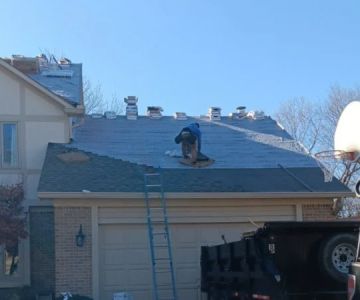
John’s home in Ontario experienced significant water damage to his roof after a heavy storm. Water began leaking into his attic, causing damage to the ceiling and insulation. After contacting Pickering Roofing, a professional contractor inspected the roof, assessed the damage, and recommended a full restoration. The process involved drying the roof, replacing damaged shingles, and installing a protective coating to prevent future water leaks.
Thanks to the contractor’s expertise, John’s roof was restored to excellent condition, and no further damage occurred. The restoration also improved the energy efficiency of his home, saving him money on heating costs.
If you're facing water damage to your roof, it’s essential to act quickly. For professional roofing restoration services, visit Pickering Roofing. We provide expert restoration and repair solutions to restore your roof and protect your home.
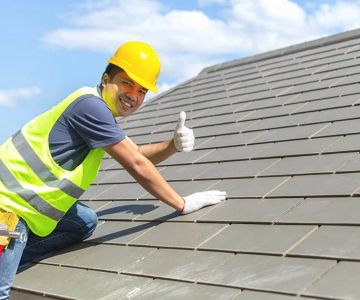
 Nedlaw Roofing Limited4.0 (129 reviews)
 Cathedral Roofing & Exteriors4.0 (15 reviews)
 N1 Imperial Roofing5.0 (1 reviews)
 Les Constructions Yves Bouchard - Couvreur toit plat, Réparation de toiture, Installation de Toiture Verdun0.0 (0 reviews)
 Findlay Roofing Inc4.0 (27 reviews)
 Save On Roofing Ottawa Ltd0.0 (0 reviews)
 How Much Does a New Roof Cost in 2025? Canadian Roofing Price Guide
 Top Signs Your Roof Has a Leak and What to Do About It in Canada
 Can You Install a New Roof Over an Old One in Canada?
 The Top Questions to Ask Before Hiring a Roofer in Canada
 What Are the Most Common Roofing Scams and How to Avoid Them in Canada
 How to Prepare Your Home for a Roofing Project in Canada