
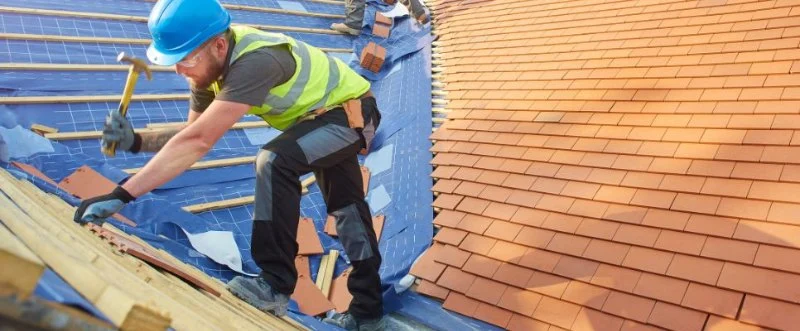
Roof Restoration Costs vs Replacement Costs: What You Should Know
- 1. Understanding Roof Restoration vs Replacement
- 2. Cost Factors for Roof Restoration
- 3. Cost Factors for Roof Replacement
- 4. When to Consider Roof Restoration
- 5. When to Choose Roof Replacement
- 6. How Pickering Roofing Can Help You Decide
1. Understanding Roof Restoration vs Replacement
When it comes to maintaining your roof, homeowners often face the tough decision between roof restoration and roof replacement. Both options have their advantages, but choosing the right one depends on the condition of your roof and your budget.
Roof restoration involves repairing and enhancing the existing roof. This process typically includes cleaning, resealing, and reinforcing certain areas to extend the life of the roof. On the other hand, roof replacement requires removing the old roof entirely and installing a new one. Both options are effective, but they come with different costs and benefits.
2. Cost Factors for Roof Restoration
Roof restoration tends to be the more affordable option, as it involves less labor and fewer materials compared to a full replacement. Here are some factors that influence the cost of roof restoration:
• Roof Material: The type of roofing material will impact the cost of restoration. For example, metal roofs might be cheaper to restore than asphalt shingles.
• Extent of Damage: If your roof has minor damage, such as leaks or missing shingles, restoration can be a cost-effective solution. However, if there is significant damage, the restoration cost can increase.
• Age of the Roof: Older roofs may require more extensive restoration work, which can add to the cost. Restoring a roof that’s 10 years old will be cheaper than restoring one that’s 30 years old and has significant wear and tear.
• Labor Costs: The complexity of the restoration process and local labor rates will also affect the price. For example, labor costs may be higher in urban areas compared to rural locations.
3. Cost Factors for Roof Replacement
Roof replacement is generally more expensive than restoration, but it may be the best option if your roof is beyond repair. The main factors influencing roof replacement costs include:
• Roof Size: The larger the roof, the more expensive the replacement. Roofing contractors typically charge by the square foot, so a bigger roof will naturally result in a higher overall cost.
• Roofing Material: The material you choose for your new roof will have a significant impact on the cost. For instance, asphalt shingles are more affordable than slate or metal roofs, which can be much pricier.
• Roof Pitch: The steeper the roof, the more challenging it is to replace, and this can increase labor costs. Steep roofs require additional safety measures and special equipment to handle the installation.
• Labor and Disposal Costs: Removing the old roof and disposing of the debris can add significant costs to the replacement. These costs are typically included in the overall quote but can vary depending on the contractor.
4. When to Consider Roof Restoration
Roof restoration is a great option when your roof is showing signs of wear but is still structurally sound. Here are some scenarios where roof restoration might be the right choice:
• Minor Damage: If your roof has minor issues, such as small leaks, missing shingles, or fading, restoration can be a cost-effective way to prolong its life without the need for a full replacement.
• Cost-Effective Solution: When you’re on a budget and your roof is still in decent shape, restoration can be a more affordable option to address surface-level problems.
• Improving Aesthetics: Roof restoration can also improve the appearance of your roof, making it look like new. This is an ideal solution if you plan to sell your home and want to increase curb appeal without spending too much.
5. When to Choose Roof Replacement
In some cases, roof replacement is the only viable option. Here are some situations where you may need to replace your roof entirely:
• Severe Damage: If your roof has extensive damage, such as large leaks, missing structural components, or widespread mold, a full replacement is necessary to prevent further issues.
• End of Life: Most roofs have a lifespan of 20 to 30 years. If your roof is at the end of its life cycle and is showing signs of significant wear, replacing it is the best option to ensure your home remains protected.
• Energy Efficiency: If your roof is poorly insulated or damaged, it can result in higher energy bills. A new roof with better insulation can help improve energy efficiency and save you money in the long run.
6. How Pickering Roofing Can Help You Decide
If you’re unsure whether to restore or replace your roof, Pickering Roofing can provide expert advice and guidance. Our experienced team will assess the condition of your roof, discuss your needs and budget, and help you make the best decision for your home. Whether you need roof restoration or replacement, we offer high-quality services at competitive prices to ensure your roof remains in top condition.
 N1 Imperial Roofing5.0 (1 reviews)
 BC ROOFING LTD0.0 (0 reviews)
 Three Bro Squirrels Roofing Ltd.4.0 (119 reviews)
 Roof Repair Man | Oakville0.0 (0 reviews)
 Rydel Roofing & Siding in Newmarket4.0 (52 reviews)
 Roof Ninjas5.0 (11 reviews)
 How Much Does a New Roof Cost in 2025? Canadian Roofing Price Guide
 Top Signs Your Roof Has a Leak and What to Do About It in Canada
 Can You Install a New Roof Over an Old One in Canada?
 The Top Questions to Ask Before Hiring a Roofer in Canada
 What Are the Most Common Roofing Scams and How to Avoid Them in Canada
 How to Prepare Your Home for a Roofing Project in Canada