
- 1. Importance of Roof Safety During Maintenance
- 2. Essential Tools for Roof Maintenance
- 3. Safety Precautions When Working on the Roof
- 4. Common Roofing Hazards and How to Avoid Them
- 5. When to Seek Professional Roofing Help
1. Importance of Roof Safety During Maintenance
Roof maintenance is a necessary task to ensure the longevity and functionality of your roof, but it comes with risks. Working on a roof involves potential hazards such as falls, structural instability, and the presence of sharp tools. Roof safety should always be a top priority when performing maintenance or repairs.
Whether you’re a DIY enthusiast or a professional roofer, understanding and implementing proper safety measures can prevent injuries and accidents. This article will provide you with the necessary tools and precautions to carry out roof maintenance safely, keeping you protected during your work.
Marlad Roofing & Siding Inc / marlad
BramptonRegional Municipality of PeelOntario
30 Hale Rd Unit 14, Brampton, ON L6W 4N9, Canada
2. Essential Tools for Roof Maintenance
Before starting any roof maintenance tasks, having the right tools is essential for safety and efficiency. Here are the key tools that every homeowner or professional roofer should have when working on a roof:
Horizon Roofing Ltd / horizon roofing
3735 Cabana Road E, Windsor, ON N8V 0A5, Canada
1. Roof Safety Harness
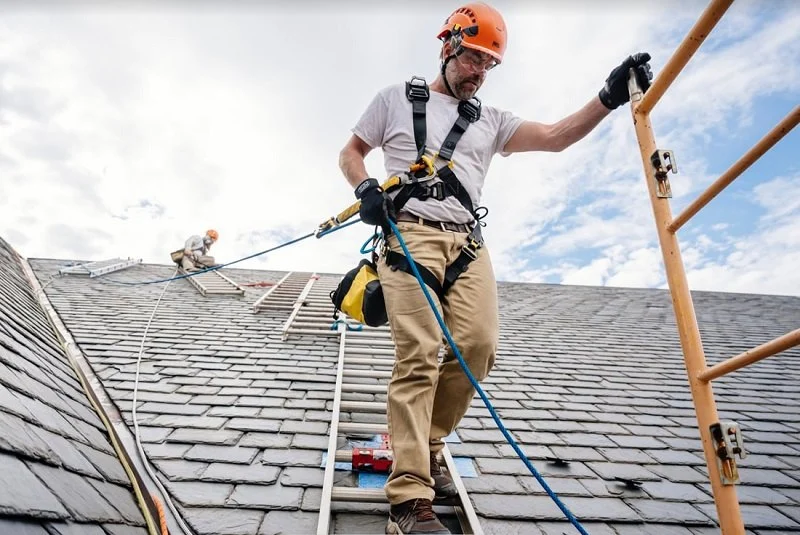
A roof safety harness is one of the most important tools for preventing falls. It provides support and keeps you anchored to the roof, especially when working at heights. Make sure to use a harness with proper straps and a secure attachment point to prevent accidents.
2. Roof Ladder
A roof ladder allows you to access the roof safely and provides stability when climbing. Make sure to place the ladder securely and extend it at least 3 feet above the roofline for added safety. Using a ladder with rubber feet ensures it stays in place and minimizes the risk of slipping.
3. Roof Boots
Roof boots are a type of rubber footwear designed specifically for working on rooftops. They provide extra grip and protection, reducing the risk of slipping on wet or uneven surfaces. Make sure your roof boots fit properly and are made from durable, slip-resistant material.
4. Tool Belt or Pouch
To keep your hands free while working, a tool belt or pouch is invaluable. It allows you to carry essential tools such as hammers, screws, and sealants without needing to climb up and down the ladder constantly. Ensure your tool belt is comfortable and provides easy access to your tools.
3. Safety Precautions When Working on the Roof
In addition to the right tools, it’s crucial to take the proper safety precautions when working on your roof. Here are some important tips to follow:
1. Inspect the Roof Before Starting
Before climbing onto your roof, thoroughly inspect it for any structural weaknesses, loose shingles, or areas that might be hazardous. If the roof is in poor condition or has any signs of instability, it’s best to call a professional roofer for help. A roof inspection can prevent unnecessary risks during your work.
2. Work with a Partner
Having a partner on hand is always a good idea when performing roof maintenance. They can help you with tasks, hand you tools, or act as a spotter in case of an emergency. If you're working on a slanted or high roof, having someone with you can make the task safer.
3. Avoid Working in Bad Weather
Never attempt roof maintenance in bad weather conditions, such as rain, snow, or high winds. Wet or slippery roofs increase the risk of accidents, and high winds can make it difficult to work safely. Wait for clear, calm weather before starting your maintenance tasks.
4. Use Proper Footing and Maintain Balance
While on the roof, always keep both feet securely planted. Move carefully and avoid standing on the edges or overhanging parts of the roof. If possible, use scaffolding or a roof edge guard for extra security. Keeping your balance is key to preventing falls.
4. Common Roofing Hazards and How to Avoid Them
Roof maintenance can present a variety of hazards if safety precautions are not taken. Here are some of the most common roofing hazards and how to avoid them:
1. Falling from Heights
Falls from a roof are the leading cause of injuries in roofing accidents. To prevent falls, always use a roof safety harness and ensure that your ladder is securely positioned. Avoid working on steep or unstable roofs without proper support, and never lean too far over the edge.
2. Sharp Tools and Materials
Tools like hammers, nails, and roofing knives can cause injuries if mishandled. Always keep your tools in good condition, and handle them carefully. Wear gloves and protective eyewear to prevent cuts or eye injuries from flying debris.
3. Overexertion and Fatigue
Roof work can be physically demanding, and overexertion can lead to accidents. Take frequent breaks to rest, hydrate, and assess your energy levels. If you start feeling fatigued, it’s better to stop work and resume at another time than risk making a dangerous mistake.
5. When to Seek Professional Roofing Help
While DIY roof maintenance can be cost-effective, there are situations where it's safer and more practical to hire a professional roofer. Here’s when you should consider seeking expert help:
1. Extensive Roof Damage
If your roof has significant damage, such as extensive leaks, broken shingles, or structural issues, it’s best to call a professional. A roofing expert can assess the damage and provide the necessary repairs to ensure the integrity of your roof.
2. High or Steep Roofs
Working on high or steep roofs can be particularly dangerous without the proper training and equipment. Professional roofers are trained to work on roofs of all shapes and sizes safely. If you are unsure about the roof's stability or your ability to work on it safely, don’t hesitate to contact a professional.
3. Complex Roofing Projects
If your roof requires complicated repairs or maintenance tasks, such as installing new materials or repairing a complex roofing system, it’s best to leave the job to the professionals. Roofing contractors have the expertise to handle such tasks with safety and efficiency.
Roof safety is paramount when performing maintenance or repairs. By using the right tools, following safety precautions, and knowing when to call for professional help, you can ensure that your roof maintenance is completed safely and effectively. For reliable roofing services and high-quality materials, visit Pickering Roofing for expert assistance and products tailored to your needs.
 Bradstone roofing and construction1.0 (1 reviews)
 Sky Roofers5.0 (3 reviews)
 Atlas Roofing Ltd4.0 (48 reviews)
 Comfort Roofing5.0 (13 reviews)
 Rhino Roofing and building3.0 (1 reviews)
 Top Tier Roofing4.0 (9 reviews)
 How Much Does a New Roof Cost in 2025? Canadian Roofing Price Guide
 Top Signs Your Roof Has a Leak and What to Do About It in Canada
 Can You Install a New Roof Over an Old One in Canada?
 The Top Questions to Ask Before Hiring a Roofer in Canada
 What Are the Most Common Roofing Scams and How to Avoid Them in Canada
 How to Prepare Your Home for a Roofing Project in Canada