
Roof Sealants & Adhesives: What Works in Cold & Wet Conditions
- 1. Understanding Why Cold and Wet Conditions Affect Roof Repairs
- 2. What to Look for in Roof Sealants for Cold and Wet Weather
- 3. Best Roof Sealants and Adhesives for Cold Conditions
- 4. How to Apply Roof Sealants and Adhesives in Cold & Wet Conditions
- 5. Tips for Choosing the Right Roof Sealant and Adhesive
1. Understanding Why Cold and Wet Conditions Affect Roof Repairs
In regions like Canada, roofs face some of the harshest weather conditions, particularly in the winter months when temperatures drop, and rain or snow can create additional challenges. When it comes to roof repairs, understanding how cold and wet conditions impact sealants and adhesives is crucial for ensuring lasting repairs. Cold weather can cause materials to contract, which may reduce the effectiveness of some adhesives. Similarly, wet conditions can make it difficult for many roof sealants to adhere properly, as moisture can prevent a good bond between the surface and the sealant.
Therefore, selecting the right roof sealant and adhesive is essential in these conditions to ensure a long-lasting, durable bond that can withstand not only the elements but also the wear and tear that comes with changing seasons. Without the correct products, you may face premature failures, leaks, and costly repairs.
Best Roofer & Renovation / best roofing toronto
2967 Dundas St W #1584, Toronto, ON M6P 1Z2, Canada
2. What to Look for in Roof Sealants for Cold and Wet Weather
When choosing a roof sealant or adhesive for cold and wet conditions, it’s important to consider the following characteristics to ensure a proper and lasting repair:
1. Flexibility and Elasticity: In cold conditions, materials contract, and in hot conditions, they expand. A roof sealant must be flexible enough to accommodate these changes without cracking or losing adhesion. Look for products specifically labeled as "elastic" or "flexible."
2. Waterproof and Weatherproof: In addition to withstanding cold, the sealant must also be able to endure rain, snow, and other wet conditions. Waterproof sealants form a protective barrier that helps prevent water infiltration and damage.
3. Fast Setting Time: In cold weather, it’s essential to choose adhesives and sealants that can set quickly even in low temperatures. Fast-setting products are critical in ensuring the bond is formed quickly to prevent water from getting under the seal before it hardens.
4. Compatibility with Roofing Materials: Not all sealants and adhesives are compatible with all types of roofing materials. Ensure the product you select is suitable for your roof type, whether it's shingles, metal, or flat roofing.
5. UV Resistance: Exposure to the sun can degrade sealants over time, causing them to become brittle and ineffective. Choose products with UV resistance to ensure durability, even in sunny conditions after the cold weather has passed.
Lam Metal / lam metals
BurnabyMetro VancouverBritish Columbia
6962 Buller Ave, Burnaby, BC V5J 4V4, Canada
3. Best Roof Sealants and Adhesives for Cold Conditions
Several sealants and adhesives are formulated specifically for cold and wet conditions. Here are some of the top-rated products that work well in harsh climates:
1. Henry 208R Rubberized Wet Patch Roof Cement: This product is excellent for emergency repairs in wet conditions. It adheres well to both wet and dry surfaces, making it ideal for quick fixes during rainy weather. It also works in temperatures as low as -15°C, making it suitable for cold Canadian winters.
2. SikaRoof Pro EPDM Primer: For EPDM roofing, SikaRoof Pro EPDM Primer provides an excellent adhesive that performs well in cold weather. It is specially designed to bond quickly, even when applied in lower temperatures, ensuring a tight seal against moisture and wind.
3. Loctite PL Premium Polyurethane Construction Adhesive: Loctite's PL Premium is known for its strong bond and versatility, even in freezing temperatures. This adhesive is ideal for bonding roofing materials to various surfaces, offering a permanent, waterproof solution that remains flexible over time.
4. 3M Roof Repair Sealant: This sealant works well in both wet and cold environments and is ideal for repairing leaks on all roof types. It offers fast curing times and provides a long-lasting, durable seal, even in extreme temperatures.
5. Gorilla Heavy Duty Construction Adhesive: Known for its strong, weatherproof bond, this adhesive is perfect for cold, wet conditions. It is effective on a variety of materials and works well for roof repairs that need to withstand fluctuating temperatures.
4. How to Apply Roof Sealants and Adhesives in Cold & Wet Conditions
Proper application is key to achieving a lasting bond, especially in cold and wet conditions. Follow these steps to ensure the sealant or adhesive adheres effectively:
1. Clean the Surface: Before applying any sealant or adhesive, thoroughly clean the roof surface to remove any dirt, debris, or moisture. If the surface is wet, it may need to be dried before application. Use a roof brush or power washer to prepare the area.
2. Apply in Proper Conditions: Although some cold-weather adhesives are designed to work in freezing temperatures, it’s best to apply them when the temperature is slightly above freezing to ensure optimal adhesion.
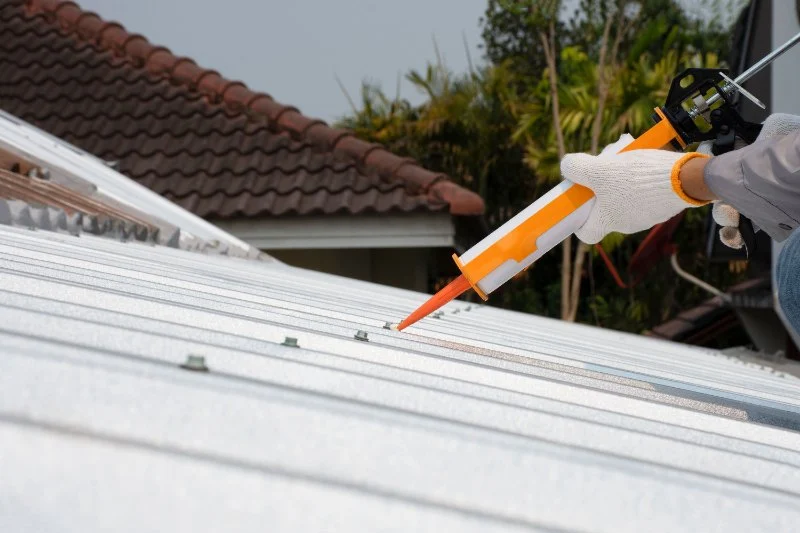
3. Use the Right Tools: Some adhesives may require a caulk gun, while others may need a trowel or brush for smooth application. Always use the proper tools to apply the product evenly.
4. Allow Time to Set: After application, allow sufficient time for the adhesive or sealant to cure. While some products set quickly, others may require several hours or even overnight to reach full strength.
5. Tips for Choosing the Right Roof Sealant and Adhesive
Choosing the right roof sealant and adhesive requires careful consideration of several factors, including your roof type, the severity of the weather, and the condition of the existing roof. Here are some tips to help you make the best choice:
1. Consider Your Roof Type: Different roofing materials, such as asphalt shingles, metal, or EPDM, require different types of sealants. Always check the manufacturer’s recommendations before applying any product.
2. Test in a Small Area First: Before applying a new adhesive or sealant over a large area, test it on a small, inconspicuous spot to ensure compatibility with your roofing material and to confirm the desired effect.
3. Prioritize Long-Term Durability: While many sealants work well initially, choose one that offers long-term protection against UV rays, moisture, and temperature fluctuations to reduce the need for frequent reapplications.
For expert advice on the best roof sealants and adhesives for your specific needs, or to find quality roofing products, visit Pickering Roofing for the best selection and service available.
 AYB Roofing5.0 (9 reviews)
 Thorpe Industries Ltd.2.0 (10 reviews)
 HeFeng Roofing5.0 (5 reviews)
 Pristine Roofing & Siding4.0 (123 reviews)
 Premium Roofing Inc.5.0 (1 reviews)
 Triad Roofing4.0 (27 reviews)
 How Much Does a New Roof Cost in 2025? Canadian Roofing Price Guide
 Top Signs Your Roof Has a Leak and What to Do About It in Canada
 Can You Install a New Roof Over an Old One in Canada?
 The Top Questions to Ask Before Hiring a Roofer in Canada
 What Are the Most Common Roofing Scams and How to Avoid Them in Canada
 How to Prepare Your Home for a Roofing Project in Canada