
Roof Sheathing Inspection: What Homeowners Can Do Without Going On Roof
- Understanding Roof Sheathing
- Why Roof Sheathing Inspection Matters
- How to Inspect Roof Sheathing Without Going On Roof
- Tools and Techniques for Safe Inspection
- Common Signs of Damage to Watch For
- Real Homeowner Experience
- Expert Advice from Pickering Roofing
1. Understanding Roof Sheathing
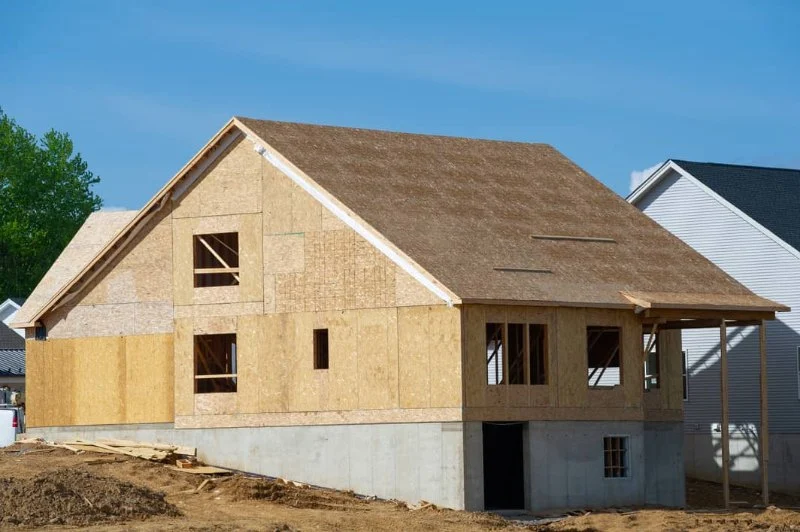
Roof sheathing, also known as roof decking, forms the structural foundation beneath your shingles or metal panels. It’s typically made from plywood or oriented strand board (OSB), providing both support and rigidity for the roof system. When sheathing becomes damaged due to moisture, age, or improper ventilation, it can compromise the entire roof’s stability.
In Canadian climates — especially areas like Ontario and British Columbia — roof sheathing endures intense freeze-thaw cycles, snow buildup, and humidity changes. This makes regular inspection essential for maintaining your home’s structural integrity and energy efficiency.
Lansard Bros Roofing Ltd / lansard roofing
50 Don Valley Pkwy, Sunnyside, MB R5R 0C9, Canada
2. Why Roof Sheathing Inspection Matters
Many homeowners overlook roof sheathing because it’s hidden beneath the visible roofing layers. However, identifying early warning signs of damage can prevent costly repairs later. Damaged sheathing can lead to sagging roofs, leaks, mold growth, and insulation deterioration.
By performing a proper inspection — even without climbing onto the roof — you can detect potential issues early and take preventive steps before they escalate into major structural problems.
3. How to Inspect Roof Sheathing Without Going On Roof
You don’t need to climb up or risk your safety to evaluate your roof’s condition. Many signs of sheathing problems can be spotted from inside your attic or by examining the roof exterior from the ground.
3.1 Inspect from the Attic
Enter your attic on a sunny day and turn off the lights. Look for small rays of light seeping through the roof deck — this could indicate gaps, cracks, or missing panels in the sheathing. Also check for damp insulation, water stains, or sagging areas that suggest trapped moisture or rot.
3.2 Observe the Roof from Ground Level
Using binoculars, scan for uneven shingle lines or dips in the roof structure. A sagging section often points to underlying sheathing weakness or decay. You can also spot discoloration that signals moisture absorption beneath the roofing surface.
3.3 Check for Indoor Clues
Peeling ceiling paint, brown spots, or musty odors inside your home may indicate roof sheathing issues. These are often the first symptoms of hidden leaks before they become visible on the exterior.
4. Tools and Techniques for Safe Inspection
Technology now makes it easier than ever for homeowners to assess roof conditions safely. With a few tools and modern techniques, you can gather accurate insights without leaving the ground.
4.1 Use a Drone
Drones equipped with cameras can provide detailed visuals of your roof surface. This method is ideal for spotting sagging, cracking, or warping patterns that hint at deeper sheathing problems. Just ensure local Canadian regulations permit drone use in your area.
4.2 Try a Telescopic Inspection Camera
These cameras allow you to view hard-to-reach roof areas, gutters, and eaves while standing safely on the ground. Some even connect to smartphones for real-time image capture.
4.3 Moisture Meters and Thermal Imaging
Thermal imaging cameras can detect temperature variations that indicate hidden moisture beneath roofing materials. Moisture meters can help confirm the presence of damp wood sheathing from inside your attic.
5. Common Signs of Damage to Watch For
Here are key warning signs that your roof sheathing may be compromised:
1. Warped or soft wood: When pressed, sections of the attic ceiling feel spongy or soft to the touch.
2. Persistent leaks: Even after replacing shingles, leaks often point to damaged sheathing beneath.
3. Mold or mildew: Fungal growth on attic rafters or insulation can result from sheathing decay.
4. Sagging roofline: Visible dips in your roof profile indicate loss of sheathing strength.
5. Inconsistent indoor temperatures: Poor insulation due to deteriorated sheathing affects energy efficiency.
6. Real Homeowner Experience
One homeowner in Pickering, Ontario, noticed a faint musty odor in their attic during spring. Without climbing the roof, they used a flashlight to discover dark, soft spots in the sheathing — caused by a small roof leak near the vent pipe. After prompt repair, they avoided a full roof replacement and saved thousands in potential structural repairs.
Another case from Vancouver involved a homeowner who used a drone for visual inspection. They spotted a sagging section over the garage and contacted a professional who confirmed water infiltration beneath the shingles. Early detection prevented further decay.
7. Expert Advice from Pickering Roofing
While homeowners can perform preliminary inspections safely, complex issues like hidden leaks, mold, or structural weakening require expert assessment. Pickering Roofing provides professional roof inspection services across Canada, offering state-of-the-art moisture detection and repair solutions that keep your home safe and durable.
They can help you identify sheathing problems before they worsen and recommend the most effective repair or replacement options. Whether you live in Ontario’s snowy climates or British Columbia’s rainy coastlines, Pickering Roofing ensures your roof remains strong and weather-ready all year long.
 Blackstar Aluminum Ltd4.0 (204 reviews)
 FIVE STAR ROOFING CORP5.0 (1 reviews)
 Metal Roof Repair & Waterproofing5.0 (2 reviews)
 Artisan Metal Roofing5.0 (8 reviews)
 Crown Roofing LTD4.0 (125 reviews)
 Zega Roofing4.0 (55 reviews)
 How Much Does a New Roof Cost in 2025? Canadian Roofing Price Guide
 Top Signs Your Roof Has a Leak and What to Do About It in Canada
 Can You Install a New Roof Over an Old One in Canada?
 The Top Questions to Ask Before Hiring a Roofer in Canada
 What Are the Most Common Roofing Scams and How to Avoid Them in Canada
 How to Prepare Your Home for a Roofing Project in Canada