
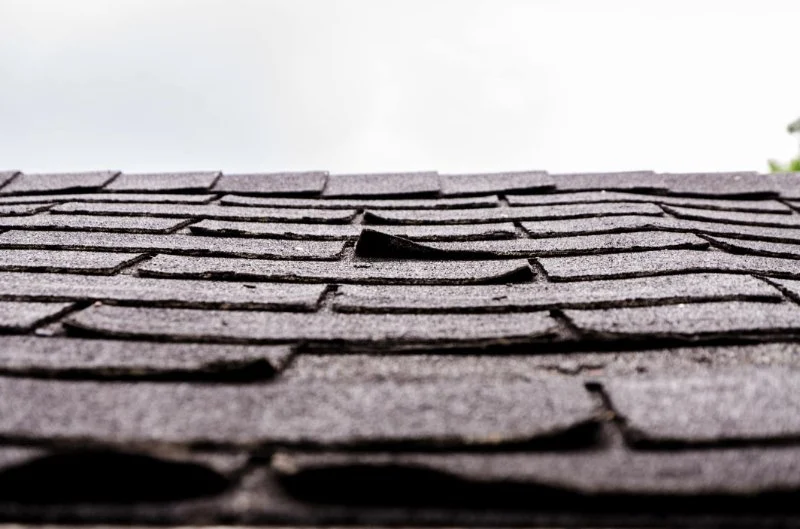
- 1-What is Roof Shingle Curling?
- 2-Causes of Roof Shingle Curling
- 3-How to Fix Curled Roof Shingles
- 4-Preventing Roof Shingle Curling
- 5-Real-Life Example: Dealing with Roof Shingle Curling
1. What is Roof Shingle Curling?
Roof shingle curling refers to the condition where the edges of roof shingles begin to curl or lift away from the roof. This can happen in a variety of ways, and it’s important to understand that this issue can lead to serious roof damage if not addressed promptly. Curling shingles allow water to seep underneath, which can lead to leaks and other structural issues inside your home.
Flat Roofs Toronto / flat roof repair toronto
1420 Dupont St, Toronto, ON M6H 0C2, Canada
1.1 Types of Shingle Curling
Shingle curling can occur in two primary forms: cupping and clawing.
- Cupping: This occurs when the edges of the shingles curl upward, leaving the middle of the shingle to dip down. This is the most common type of curling.
- Clawing: In this case, the edges of the shingles curl downward, causing the middle part to rise. This type is less common but still problematic.
2. Causes of Roof Shingle Curling
Several factors can contribute to roof shingle curling. Understanding the root cause of the problem will help in determining the best solution. Here are the most common causes of shingle curling:
Roof Rescue Ontario Inc. / trudel & sons roofing ltd
Whitchurch-StouffvilleRegional Municipality of YorkOntario
164 Hawthorn Ave, Whitchurch-Stouffville, ON L4A 4Y8, Canada
2.1 Age and Wear of Shingles
Over time, roofing materials naturally degrade due to exposure to the elements. Shingles that are more than 15 years old are more likely to curl, especially in regions with extreme weather conditions like Canada. As shingles age, they lose their flexibility and become more prone to curling.
2.2 Improper Installation
If shingles are installed improperly, they may not lay flat on the roof, leading to curling. Common mistakes include poor nailing technique or not properly aligning the shingles during installation. In such cases, the problem may be more prevalent in the early years of the roof’s lifespan.
2.3 Poor Ventilation in the Attic
Inadequate ventilation in the attic can cause the shingles to overheat, particularly in hot weather. This excess heat can cause the shingles to soften and warp. In Canada, where temperature variations are common, ensuring proper attic ventilation is critical for preventing roof damage.
2.4 Water Damage and Moisture
Water damage, particularly from ice dams or leaks, can lead to curling shingles. If water gets trapped under the shingles, it can cause them to weaken and curl. In colder climates, such as Canada, the freezing and thawing of water can exacerbate this problem.
2.5 Inferior Shingle Quality
Low-quality shingles are more susceptible to curling. When selecting roofing materials, it's essential to choose high-quality shingles that are designed to withstand the specific weather conditions of your region. Poor-quality shingles often curl prematurely, even in relatively mild weather conditions.
3. How to Fix Curled Roof Shingles
If you notice curled shingles on your roof, it’s important to address the issue as soon as possible to avoid further damage. Here are some solutions to fix curled shingles:
3.1 Re-flattening Curled Shingles
In some cases, you can carefully re-flatten the curled shingles. This can be done by applying a bit of roofing adhesive underneath the lifted edges. Use a flat tool to press the edges back into place, ensuring the shingles lie flat and are securely attached. However, this is a temporary fix and may not be suitable for all cases.
3.2 Replacing Curled Shingles
If the shingles are severely curled or damaged, replacement may be necessary. To replace curled shingles, lift the surrounding shingles, remove the damaged one, and replace it with a new one. Be sure to use the same type and color of shingles to maintain the roof’s integrity and appearance.
3.3 Professional Roofing Repair
For large-scale shingle curling or extensive damage, it’s best to call a professional roofing contractor. Professionals can properly diagnose the issue, recommend appropriate fixes, and perform repairs safely and effectively. They may also be able to assess any underlying issues, such as poor attic ventilation or water damage.
4. Preventing Roof Shingle Curling
Prevention is always better than repair. Here are some steps you can take to prevent your shingles from curling:
4.1 Regular Roof Inspections
Schedule regular roof inspections, at least once a year, to check for early signs of curling or damage. Early detection will allow you to address problems before they become more serious and costly to fix.
4.2 Improve Attic Ventilation
Ensure your attic has proper ventilation to reduce the buildup of heat and moisture. Proper ventilation helps keep your roof cooler, which can prevent shingles from warping or curling due to excessive heat. Installing vents or adding insulation may improve airflow and prevent future damage.
4.3 Choose Quality Shingles
Invest in high-quality shingles that are designed to withstand extreme temperatures and weather conditions. Good-quality shingles are less likely to curl prematurely and will help protect your home for years to come.
5. Real-Life Example: Dealing with Roof Shingle Curling
Consider the case of a homeowner in Toronto who noticed their roof shingles beginning to curl after several years of harsh winters. Upon inspection, it was found that the attic was poorly ventilated, causing the shingles to overheat and curl. The homeowner decided to invest in attic insulation and add proper ventilation to reduce heat buildup. After repairing the curled shingles, the roof remained in good condition, and the homeowner saw a reduction in heating costs due to improved energy efficiency.
This case highlights the importance of both addressing immediate curling issues and taking long-term preventive measures to protect your roof from future damage.
 Abby Roofing - Roofing Orléans0.0 (0 reviews)
 TI Roof Rescue Inc.5.0 (86 reviews)
 A & K Roofing Co Ltd4.0 (13 reviews)
 Principal Roofing4.0 (85 reviews)
 Multi Toits5.0 (2 reviews)
 Gumban Roofing And Renovation4.0 (27 reviews)
 How Much Does a New Roof Cost in 2025? Canadian Roofing Price Guide
 Top Signs Your Roof Has a Leak and What to Do About It in Canada
 Can You Install a New Roof Over an Old One in Canada?
 The Top Questions to Ask Before Hiring a Roofer in Canada
 What Are the Most Common Roofing Scams and How to Avoid Them in Canada
 How to Prepare Your Home for a Roofing Project in Canada