
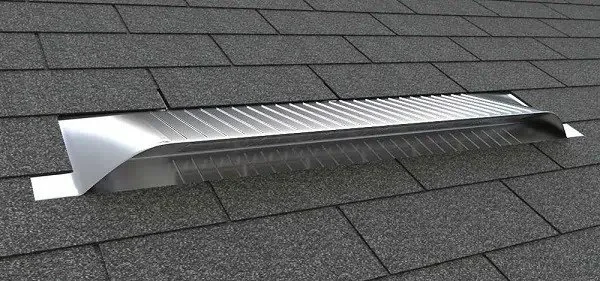
Roof Ventilation Systems: Ridge Vents, Soffit Vents & Power Vents Explained
- 1. What are Roof Ventilation Systems?
- 2. Why is Roof Ventilation Important?
- 3. Types of Roof Ventilation Systems
- 4. How to Choose the Right Roof Ventilation System
- 5. Common Mistakes to Avoid in Roof Ventilation
1. What are Roof Ventilation Systems?
Roof ventilation systems are designed to regulate the temperature and moisture levels in the attic or roof space of your home. Proper ventilation ensures the flow of fresh air, while also expelling hot air and moisture. This balance helps prevent issues such as mold growth, rotting wood, and energy inefficiency. Roof ventilation can be achieved through a combination of intake and exhaust vents that allow air to circulate freely.

Lam Metal / lam metals
BurnabyMetro VancouverBritish Columbia
6962 Buller Ave, Burnaby, BC V5J 4V4, Canada
2. Why is Roof Ventilation Important?
Proper roof ventilation is essential for maintaining the structural integrity of your home. Without it, you risk experiencing a variety of problems, including:
- Moisture Build-Up: Excess moisture can lead to mold, mildew, and rot in the attic, potentially affecting your entire home.
- Energy Inefficiency: A poorly ventilated attic can trap heat in the summer, causing your air conditioning system to work harder. In the winter, it can lead to ice dam formation, which can damage the roof.
- Premature Roof Deterioration: Without adequate airflow, shingles can age more quickly, and the roof can suffer long-term damage.
3. Types of Roof Ventilation Systems
There are several types of roof ventilation systems, each with its advantages and purposes. Understanding these options will help you choose the best one for your home:

Flynn Canada Ltd. - Ottawa / flynn ottawa
1655 Comstock Rd, Gloucester, ON K1B 5L2, Canada
Ridge Vents
Ridge vents are installed along the ridge (peak) of the roof and allow hot air to escape from the attic. They are considered one of the most efficient types of roof ventilation because they work with the natural airflow of the roof. Ridge vents typically have a low profile, which makes them less noticeable compared to other ventilation methods.
Soffit Vents
Soffit vents are located under the eaves of your roof, where the roof overhangs the walls. These vents allow fresh air to enter the attic, creating a balanced airflow system when combined with ridge vents. Proper soffit ventilation helps prevent heat and moisture from accumulating in the attic, making them a vital part of a balanced roof ventilation system.
Power Vents
Power vents are electric-powered fans installed in the attic to improve airflow. They can be used in larger attics or homes that may have more significant ventilation needs. Power vents are effective at removing heat and moisture, especially during the summer months. However, they require electricity to operate and may not be as energy-efficient as passive ventilation systems like ridge and soffit vents.
4. How to Choose the Right Roof Ventilation System
When selecting a roof ventilation system, consider the following factors:
- Size of the Attic: Larger attics may require power vents or additional ventilation, while smaller attics may benefit from passive systems like ridge and soffit vents.
- Climate: If you live in a hot, humid climate, proper ventilation is critical for reducing heat buildup and moisture. In colder climates, ridge and soffit vents can help prevent ice dams and moisture accumulation.
- Energy Efficiency: Passive systems, such as ridge and soffit vents, are more energy-efficient because they don’t rely on electricity. However, power vents may be necessary in homes with high ventilation needs.
5. Common Mistakes to Avoid in Roof Ventilation
When installing or maintaining your roof ventilation system, avoid these common mistakes to ensure optimal performance:
- Overlooking Intake Vents: Many homeowners focus on exhaust vents but neglect the importance of intake vents. Without proper intake vents, the system won’t be able to function properly, leading to inadequate airflow.
- Improperly Sized Vents: If your vents are too small or too few, they won’t provide adequate airflow. It’s essential to ensure the correct number and size of vents for your attic.
- Blocking Vents: Be mindful of insulation or debris that could block your vents. Blocked vents will prevent proper airflow and compromise the effectiveness of the system.
In conclusion, roof ventilation systems are crucial for maintaining the health of your home. Proper ventilation can prevent issues such as moisture buildup, mold, and energy inefficiency. Whether you choose ridge vents, soffit vents, or power vents, each system plays a vital role in ensuring your attic remains cool and dry. For more information on roof ventilation or to schedule an inspection, visit Pickering Roofing for expert advice and services.

 Area Wide Roofing5.0 (4 reviews)
 Innovation Roofing ltd5.0 (11 reviews)
 Custom Contracting Roofing & Eavestrough Repair4.0 (104 reviews)
 Roofing Peterborough0.0 (0 reviews)
 Alexander Slate (Marley Roof Repair & Tile Roof Repair)4.0 (28 reviews)
 Booker Construction5.0 (17 reviews)
 How Much Does a New Roof Cost in 2025? Canadian Roofing Price Guide
 Top Signs Your Roof Has a Leak and What to Do About It in Canada
 Can You Install a New Roof Over an Old One in Canada?
 The Top Questions to Ask Before Hiring a Roofer in Canada
 What Are the Most Common Roofing Scams and How to Avoid Them in Canada
 How to Prepare Your Home for a Roofing Project in Canada