
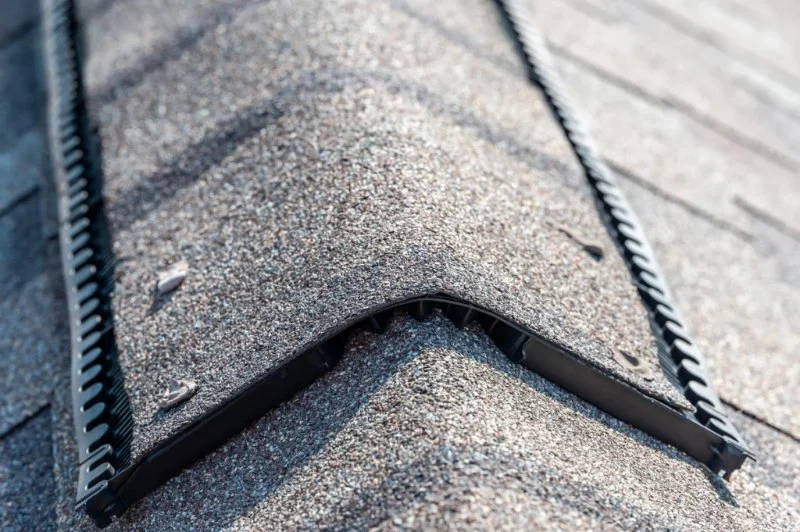
- What Are Roofing Enhancement Features?
- Importance of Ridge Capping
- Vent Caps for Roofing
- Decorative Trim for Roofs
- Choosing the Right Enhancement Features
- When to Consider Professional Roofing Services
1. What Are Roofing Enhancement Features?
Roofing enhancement features such as ridge capping, vent caps, and decorative trim play a crucial role in both the functionality and aesthetics of your roof. These elements not only improve the performance of your roofing system but also give your home a polished, finished look. While they may seem like minor additions, they contribute significantly to the overall durability and appeal of your roof.
In this article, we’ll dive into the details of ridge capping, vent caps, and decorative trim, exploring their functions, benefits, and how to choose the right features for your home. These enhancements are especially popular in Canada, where harsh weather conditions make it essential to have a well-constructed and protected roof.
XACT Roof & Renovation Ltd. / xact roofing
227 Regent Ave W, Winnipeg, MB R2C 1R3, Canada
2. Importance of Ridge Capping
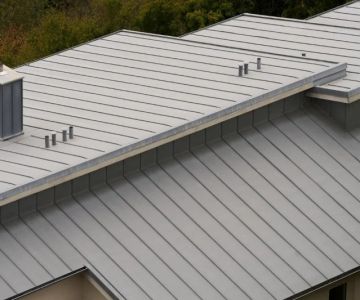
Ridge capping refers to the material that covers the peak of your roof where the two slopes meet. This feature is vital in preventing water infiltration and providing additional protection against the elements. Ridge capping helps to seal the roof, preventing leaks and improving the overall structural integrity of your home.

CentiMark Ltd. / centimark corporation
740 Huronia Rd Unit 9, Barrie, ON L4N 6C6, Canada
Why Ridge Capping is Essential for Roof Longevity
Without proper ridge capping, the top of your roof remains vulnerable to water damage, wind, and snow. In Canada, where roofs endure snow buildup and freezing conditions, ridge capping becomes a vital barrier against these forces. Properly installed ridge capping can help to prevent moisture from entering the roof space, reducing the risk of mold, rot, and other structural issues.
Types of Ridge Capping Materials
There are various materials available for ridge capping, including:
- Clay or concrete tiles: Durable and weather-resistant.
- Metal: Often used for modern homes, offering a sleek and long-lasting solution.
- Wood or composite: Great for homes with traditional aesthetics, providing a rustic appearance.
The right material will depend on your roof’s design, local climate, and aesthetic preferences.
3. Vent Caps for Roofing
Vent caps are an essential component of your roofing system that helps regulate airflow in your attic space. Proper ventilation is crucial in maintaining the temperature and moisture levels within your home. Vent caps, typically installed at the roof’s ridge or on the gable ends, help air circulate and prevent the buildup of heat and moisture that can lead to structural damage.
How Vent Caps Improve Roof Functionality
Without vent caps, your attic may become a hotbed for trapped air, moisture, and humidity, which can cause a range of problems. These issues include:
- Increased energy costs from poor insulation.
- Premature wear of roofing materials.
- Potential growth of mold and mildew.
Vent caps help mitigate these risks by allowing hot air to escape and cool air to enter, maintaining an even temperature and preventing moisture accumulation.
Types of Vent Caps
There are different types of vent caps, including:
- Ridge vents: Installed along the roof’s ridge, they offer a continuous venting solution.
- Gable vents: Placed in the gable ends of the roof, these provide passive ventilation.
- Turbine vents: These vent caps spin in the wind, actively pulling air out of the attic.
Each type has its benefits, and the choice depends on the design of your home and the ventilation needs of your roof.
4. Decorative Trim for Roofs
Decorative trim is more than just an aesthetic enhancement; it also serves as a protective feature. Installed around the eaves, edges, and ridges of the roof, decorative trim can provide a clean, finished look. Additionally, it helps shield these vulnerable areas from damage caused by wind, rain, and pests.
How Decorative Trim Enhances Curb Appeal
Decorative trim can elevate the appearance of your home by adding a touch of elegance and style. From classic to modern designs, the right trim can complement your home’s architecture and boost its curb appeal. It’s particularly useful for homes with intricate roofing designs, adding definition to the roofline.
Types of Decorative Trim
Common materials used for decorative trim include:
- Vinyl: Low-maintenance, cost-effective, and available in various colors and styles.
- Wood: Traditional, offering a natural, rustic look but requiring more maintenance.
- Aluminum or Steel: Durable and resistant to the elements, ideal for modern homes.
5. Choosing the Right Enhancement Features
Choosing the right roofing enhancement features depends on a combination of factors, including your home’s style, your budget, and the climate in your area. In Canada, for example, the harsh winters and heavy snowfalls call for high-performance ridge capping and vent caps to ensure that your roof withstands the elements and stays functional for years.
Considerations When Choosing Roofing Enhancements
- Climate: If you live in an area with heavy snow or rain, ensure your roof’s enhancements can handle moisture, prevent ice damming, and allow proper ventilation.
- Aesthetic: Choose features that complement your home’s design and exterior color palette.
- Durability: Consider materials that offer longevity and resistance to the elements to ensure your roofing enhancements last for years.
6. When to Consider Professional Roofing Services
While adding ridge capping, vent caps, and decorative trim can be a DIY project for some homeowners, it’s important to know when to call in a professional. Here are some scenarios where professional roofing services may be required:
1. Complex Roof Designs
If your roof has a complex design, such as steep slopes, multiple ridges, or unusual angles, installing these enhancements can be tricky. Professionals have the expertise to safely and effectively install these features without causing damage to your roof.
2. Safety Concerns
Roofing work can be dangerous, especially if you’re working on a high or steep roof. If you’re not experienced or comfortable with heights, it’s best to hire a professional to avoid injury.
3. Warranty Considerations
If your roof is still under warranty, hiring a licensed roofer may be required to avoid voiding the warranty. Check your warranty guidelines before starting any work yourself.
If you’re looking to upgrade your roof with high-quality ridge capping, vent caps, or decorative trim, visit Pickering Roofing for top-notch products and professional services tailored to your needs.
 Innove Toit — Couvreur Toiture Bardeaux & Membranes | Urgence Toiture Québec & Lévis5.0 (20 reviews)
 TT Sheltered roofing Toronto0.0 (0 reviews)
 Roof Pro Plus Home Improvements4.0 (26 reviews)
 Chouinard Bros3.0 (87 reviews)
 Capital Roofing0.0 (0 reviews)
 All City Roofing & Construction inc5.0 (1 reviews)
 How Much Does a New Roof Cost in 2025? Canadian Roofing Price Guide
 Top Signs Your Roof Has a Leak and What to Do About It in Canada
 Can You Install a New Roof Over an Old One in Canada?
 The Top Questions to Ask Before Hiring a Roofer in Canada
 What Are the Most Common Roofing Scams and How to Avoid Them in Canada
 How to Prepare Your Home for a Roofing Project in Canada