
- 1. Roofing Challenges in Northern Climates
- 2. The Impact of Permafrost on Roofing Structures
- 3. Freeze/Thaw Cycles and Roof Movement Issues
- 4. How to Maintain Roofs in Cold Climates
- 5. Why Choose Pickering Roofing for Your Northern Climate Roofing Needs
1. Roofing Challenges in Northern Climates
Roofing in northern climates, especially in regions like Canada, presents unique challenges. Harsh weather conditions such as freezing temperatures, permafrost, and frequent freeze/thaw cycles can significantly affect the longevity and performance of your roof. In these conditions, roof movement and structural integrity are of utmost concern for homeowners and property managers.
In these climates, roofing materials must be specifically selected and installed to withstand the pressures of constant temperature fluctuations and ice formation. Understanding the challenges your roof faces in these environments is essential for proper maintenance and repair, ensuring the long-term protection of your home.
GoldHill Roofing / goldhill
526 Welham Rd Unit 1, Barrie, ON L4N 8Z7, Canada
2. The Impact of Permafrost on Roofing Structures
Permafrost refers to soil or rock that remains frozen for at least two consecutive years. In northern climates, especially in places like Northern Canada, permafrost can have a significant impact on roofing structures. This frozen ground layer can cause shifting and settling of buildings, affecting roof alignment and structural integrity.
2.1 Ground Shifting and Roof Settling
When permafrost begins to thaw, the ground underneath a building may shift, leading to uneven settling of the roof structure. This movement can result in sagging, cracks, or even leaks in your roof. The thawing and refreezing cycle can cause continuous damage to roofing materials, making it crucial to reinforce the roof structure with specialized supports and foundations to prevent future issues.
2.2 Roof Drainage and Ice Damming
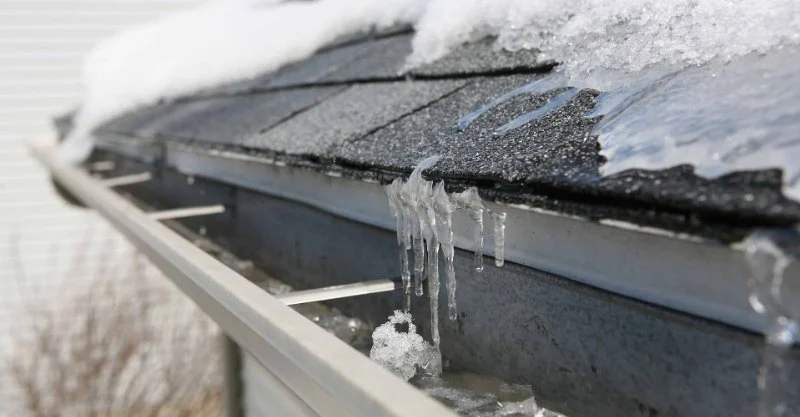
In areas affected by permafrost, ice damming can also be a significant concern. As snow melts on the roof and refreezes at the eaves, ice dams can form, leading to water backup under shingles. This trapped water can penetrate the roofing system, causing leaks and further damage to the structure. Proper drainage and insulation techniques are essential in preventing ice dams in these regions.
3. Freeze/Thaw Cycles and Roof Movement Issues
Freeze/thaw cycles, common in northern climates, occur when snow and ice melt during the day due to rising temperatures and then refreeze at night. This constant change in temperature places immense stress on roofing materials, especially shingles and membranes. Over time, these materials expand and contract, which can cause cracks, blisters, and overall degradation.
3.1 Stress on Roofing Materials
Freeze/thaw cycles accelerate the wear and tear on roofing materials. Asphalt shingles, for instance, can become brittle as they repeatedly freeze and thaw. This brittleness makes them more prone to cracking or breaking, reducing the effectiveness of the roof in protecting your home from the elements.
3.2 Roof Movement and Structural Integrity
Repeated freeze/thaw cycles can lead to roof movement, especially if the roof was not properly installed to accommodate such stresses. As the materials contract and expand, the roof’s structure may shift slightly, causing misalignment. This movement can lead to gaps in the roofing system, allowing water and moisture to infiltrate, which, over time, can cause leaks and further structural damage.
4. How to Maintain Roofs in Cold Climates
Maintaining a roof in northern climates requires extra attention to detail, especially when dealing with permafrost, freeze/thaw cycles, and roof movement. Below are some key tips for homeowners in cold climates to ensure their roofs remain in top condition:
4.1 Regular Roof Inspections
Routine roof inspections are critical in northern climates. After the harsh winter months, it’s essential to check for signs of ice damming, damaged shingles, or shifting in the roof structure. A professional roofing inspection can help identify problems early, allowing for timely repairs before they worsen.
4.2 Insulation and Ventilation
Proper insulation and ventilation are vital to controlling temperature fluctuations in your attic and preventing ice dams. Ensure that your attic is properly ventilated to allow moisture to escape and prevent warm air from accumulating beneath the roof. This helps to regulate the temperature of the roof and reduce the risk of ice buildup.
4.3 Roof Reinforcement
In regions with permafrost or frequent freeze/thaw cycles, reinforcing your roof structure may be necessary. Specialized materials and installation techniques, such as using impact-resistant shingles or adding additional support beams, can help prevent damage caused by shifting ground and roof movement.
5. Why Choose Pickering Roofing for Your Northern Climate Roofing Needs
When it comes to roofing in northern climates, choosing a reliable, experienced roofing contractor is essential. Pickering Roofing is proud to offer roofing solutions specifically designed to withstand the challenges posed by permafrost, freeze/thaw cycles, and extreme cold temperatures. Our team of experts is equipped with the knowledge and tools necessary to ensure your roof stays in optimal condition, no matter how harsh the Canadian winters may be.
We offer comprehensive roof inspections, repairs, and installations tailored to the unique needs of homes in cold climates. Let Pickering Roofing protect your home with durable, high-quality roofing solutions. Contact us today for a consultation.
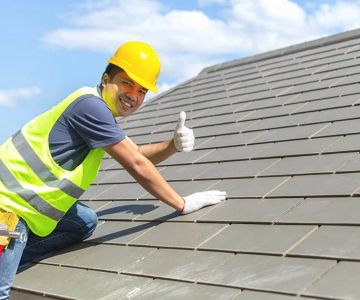
 Alba Roofing4.0 (11 reviews)
 Capital Master Roofing5.0 (21 reviews)
 Taminka Metal Roofing5.0 (569 reviews)
 CentiMark Ltd.0.0 (0 reviews)
 Pro Roofing Services4.0 (168 reviews)
 AlphaNova Roofing Inc.5.0 (143 reviews)
 How Much Does a New Roof Cost in 2025? Canadian Roofing Price Guide
 Top Signs Your Roof Has a Leak and What to Do About It in Canada
 Can You Install a New Roof Over an Old One in Canada?
 The Top Questions to Ask Before Hiring a Roofer in Canada
 What Are the Most Common Roofing Scams and How to Avoid Them in Canada
 How to Prepare Your Home for a Roofing Project in Canada