
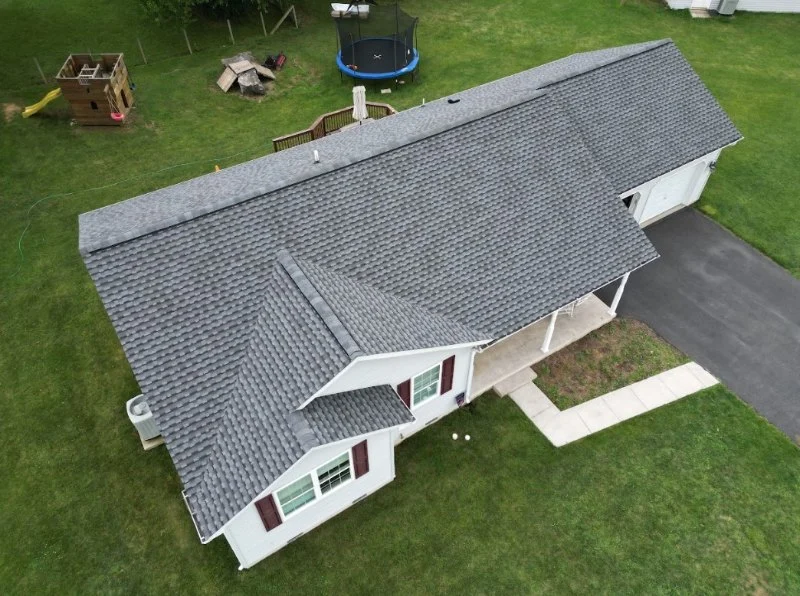
- Understanding Different Roofing Styles
- The Importance of Roof Lines in Roofing Design
- How to Match Roof Lines to Your Home Profile
- How Land Slope Affects Roof Design
- Common Mistakes in Choosing Roof Lines
- Roofing Tips for Perfect Design Alignment
1. Understanding Different Roofing Styles
The roof of your home is not only a crucial protective barrier against the elements, but it also plays a significant role in the aesthetic appeal of your property. There are various roofing styles to choose from, each with its own characteristics, advantages, and ideal applications. Common roofing styles include:
- Gable Roof: A classic triangular shape with two slopes meeting at the top, offering a simple, clean look.
- Hip Roof: A roof with slopes on all four sides, providing a more complex and sturdy design that is perfect for areas with high winds.
- Mansard Roof: Also known as a French roof, it features four slopes with a steep lower section, allowing extra living space in the attic.
- Flat Roof: Common in modern architecture, offering a sleek, minimalist appearance, often used in urban areas.
Each style offers a unique advantage, depending on the climate, aesthetic preferences, and structural considerations of the home. However, the style of your roof must also complement the profile of your home and the slope of your land for optimal functionality and beauty.

Custom Contracting Roofing & Eavestrough Repair Waterloo / eavestrough repair waterloo
WaterlooWaterloo Regional MunicipalityOntario
165 Margaret Ave S, Waterloo, ON N2J 2E3, Canada
2. The Importance of Roof Lines in Roofing Design
Roof lines are the defining contours of your roof structure. The shape and slope of your roof line have a significant impact on your home's appearance, weather resistance, and functionality. It is crucial to choose a roof line that complements the overall design of your house. The roof line not only determines how well your roof performs in terms of drainage, insulation, and weatherproofing but also how it blends with the architectural style of your home.
Choosing the right roof line will make your home look cohesive and ensure that the roof’s structure is ideal for the local climate and land slope. For example, a steep roof line is well-suited for areas with heavy snowfall, as it allows snow to slide off easily. On the other hand, a flatter roof line works well in areas with minimal rainfall and warmer climates.

Custom Contracting Burlington Roofing & Eavestrough Repair Burlington / eavestrough burlington
BurlingtonRegional Municipality of HaltonOntario
687 Waterloo St, Burlington, ON L7R 2S9, Canada
3. How to Match Roof Lines to Your Home Profile
Your home profile, including its size, shape, and architectural style, plays a critical role in determining which roof line will work best. Here’s how to match the roof line to the profile of your home:
- Traditional Homes: For more classic home designs, gable or hip roofs often work well. These styles are versatile and complement various exterior finishes such as brick, wood, and stone.
- Modern Homes: Sleek, clean roof lines like flat or low-pitched roofs are ideal for contemporary houses. These roof styles enhance the minimalist and geometric aesthetic typical of modern architecture.
- Cottage-Style Homes: For cozy, picturesque cottages, steep gable or mansard roofs work best. These designs help accentuate the charm of smaller homes while maximizing upper-level space.
When selecting your roof line, consider how it balances with the size and features of your home. A roof that’s too large or too small for the house can disrupt the visual appeal and undermine the structural integrity of your property.
4. How Land Slope Affects Roof Design
The slope of your land plays a vital role in determining the most appropriate roof design. The way your land slopes influences both the roof’s pitch and the type of drainage system you’ll need. Below are some considerations:
- Flat or Slightly Sloped Land: If your land is relatively flat, you can opt for a low-pitched roof or even a flat roof. This style works well for urban environments or homes with contemporary designs where the aesthetic is sleek and clean.
- Moderately Sloped Land: For homes on moderately sloped land, a gable or hip roof can provide a balanced look. These roof styles help facilitate water runoff while enhancing the overall curb appeal of your home.
- Steep Slopes: If your property has a steep incline, a steeply pitched roof will help with drainage. Mansard and gable roofs are ideal for homes on steep land as they maximize space and allow for better water flow off the roof.
Understanding the slope of your land ensures you choose the correct roof pitch to prevent issues such as poor drainage or water pooling, which can lead to roof damage over time.
5. Common Mistakes in Choosing Roof Lines
While selecting the right roof style is essential, homeowners often make a few common mistakes when it comes to matching roof lines with their home profile and land slope. Some of these mistakes include:
- Ignoring Local Climate: Choosing a roof style that doesn't consider the local weather conditions can lead to inefficiencies and damage. For example, a low-pitched roof in snowy areas can result in snow accumulation.
- Choosing Roofs That Don’t Complement the Home: It’s essential to select a roof style that fits the architectural style of your home. A modern flat roof on a Victorian house can appear out of place.
- Not Considering Future Maintenance: Some roof styles, especially those with intricate designs, may require more maintenance than others. Consider long-term care when selecting your roof line.
6. Roofing Tips for Perfect Design Alignment
To ensure your roof design complements both your home and land, here are a few tips:
- Consult with Professionals: A roofing expert can assess your land and help choose the best roof style based on your home profile and local climate conditions. At Pickering Roofing, we offer personalized roofing consultations to guide you in making the right decision.
- Consider Future Expansion: If you plan to add extensions or changes to your home, choose a roofing style that allows for flexibility in the future.
- Focus on Drainage: Ensure the roof style you select is conducive to proper water flow. Improper drainage can cause leaks and damage to both the roof and home structure.
Choosing the right roof line involves more than just aesthetics – it's about selecting a design that balances your home profile, land slope, and functional needs. By considering these factors carefully, you’ll end up with a roof that enhances your home’s appearance, maximizes durability, and minimizes maintenance costs.
 Tactic Roofing Inc.4.0 (157 reviews)
 T. Simpson Roofing4.0 (41 reviews)
 Border City Roofing Inc.4.0 (5 reviews)
 Flynn Canada Ltd. - Edmonton3.0 (15 reviews)
 Louie O Suterski1.0 (3 reviews)
 Stark Roofing4.0 (4 reviews)
 How Much Does a New Roof Cost in 2025? Canadian Roofing Price Guide
 Top Signs Your Roof Has a Leak and What to Do About It in Canada
 Can You Install a New Roof Over an Old One in Canada?
 The Top Questions to Ask Before Hiring a Roofer in Canada
 What Are the Most Common Roofing Scams and How to Avoid Them in Canada
 How to Prepare Your Home for a Roofing Project in Canada