
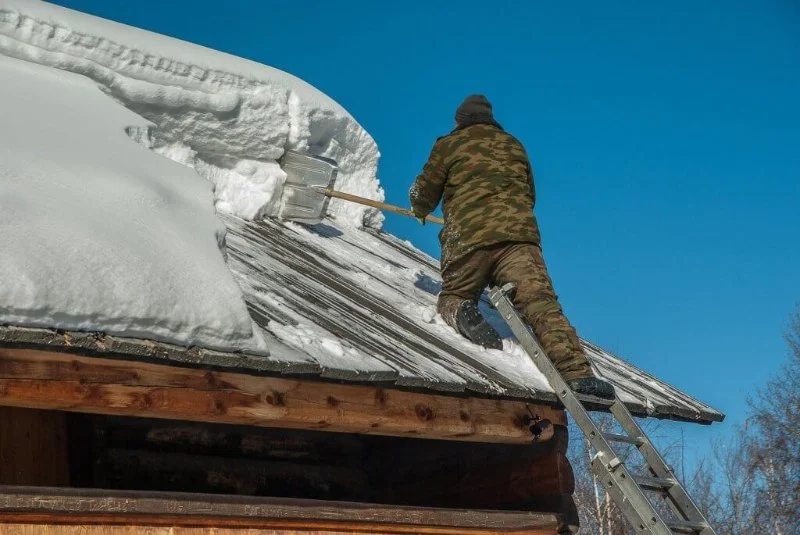
1. Introduction to Rooftop Snow Load Safety
In regions like Canada, where heavy snowfall is a common winter occurrence, ensuring that your roof is designed to handle the added weight of snow is crucial for both safety and the longevity of the structure. Rooftop snow load safety is not only about building a strong roof but also about maintaining it properly to prevent damage during snow accumulation. This guide will help you understand the importance of rooftop snow load safety, how roofs should be built to handle snow, and the best practices for maintaining them during the winter season.
pgsqlCopy code2. Understanding Snow Loads and Their Impact on Roofs
Snow load refers to the weight of snow and ice that a roof must support during winter storms. It is one of the most important factors to consider when designing and maintaining roofs, especially in climates with heavy snowfall.
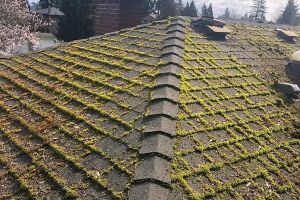
Vancouver Moss Removal / moss removal near me
VancouverMetro VancouverBritish Columbia
1615 Frances St #105, Vancouver, BC V5L 1Z3, Canada
1. What is Snow Load?
Snow load is the weight of accumulated snow on the roof. This load is measured in pounds per square foot (psf) and varies based on factors such as the amount of snow, the density of the snow, and how the snow is distributed across the roof. For instance, wet snow is heavier than dry snow, meaning that the roof may experience more stress under wet snow conditions.

Christensen & McLean Roofing / christensen & mclean roofing
16173 132 Ave NW, Edmonton, AB T5V 1H7, Canada
2. The Impact of Snow Load on Roofs
If the snow load exceeds the design capacity of a roof, it can lead to serious issues such as sagging, leaking, or even collapse in extreme cases. Over time, excessive snow load can cause structural damage that may not be immediately visible, leading to costly repairs or safety hazards. Proper design and maintenance are key to preventing these risks.
3. How to Build Roofs to Withstand Snow Loads
When constructing or renovating a roof in areas with heavy snowfall, there are several factors to consider to ensure it can withstand snow loads effectively. Here are the key considerations for building a roof that can handle the weight of snow:
1. Roof Pitch and Slope
A steeply pitched roof allows snow to slide off more easily, reducing the amount of weight that accumulates on the surface. While flat roofs are common in some building types, they can be problematic in areas with heavy snowfall. A pitch of at least 30 degrees is recommended to help snow slide off naturally. However, if a flat roof is necessary, a snow retention system can be installed to help manage the snow load.
2. Structural Materials and Design
The materials used in the construction of a roof, such as trusses, beams, and rafters, play a crucial role in supporting the snow load. It’s important to use strong materials that can handle the expected weight without compromising structural integrity. Additionally, the design should include adequate support beams spaced at appropriate intervals to distribute the load evenly across the roof.
3. Building Codes and Regulations
In Canada, building codes provide guidelines for snow load requirements based on geographical location and snowfall history. These codes take into account the maximum expected snow load for your area, helping you ensure that your roof is built to code and can handle snow accumulation safely. Always work with a certified architect or roofing professional to ensure compliance with these regulations.
4. Maintaining Roofs for Snow Load Safety
Building a roof to withstand snow loads is only part of the equation. Regular maintenance is required to ensure the roof stays in good condition and can handle the weight of snow year after year. Here’s how you can maintain your roof for snow load safety:
1. Regular Inspections
Before winter sets in, it’s important to inspect your roof for any signs of damage, such as cracks, leaks, or weakened beams. Addressing minor issues early can prevent more severe problems later on. A professional roofing inspector can assess the overall integrity of your roof and provide recommendations for strengthening weak areas.
2. Snow Removal
Once snow starts to accumulate, it’s essential to remove it regularly to prevent it from building up to dangerous levels. Use a roof rake with a telescoping handle to safely remove snow from the edges of the roof. For flat roofs, consider installing a snow guard system to prevent large chunks of snow from falling off suddenly. If you are unsure how to remove snow safely, hiring a professional is always a good option.
3. Attic Insulation and Ventilation
Proper attic insulation and ventilation can help prevent ice dams, which occur when snow melts on the roof and refreezes at the edges, creating a buildup of ice that adds weight. Proper ventilation ensures that the attic temperature remains consistent, reducing the chances of ice dams forming. Insulation helps keep the heat from escaping into the attic, which can also prevent snow from melting prematurely.
5. Common Mistakes to Avoid for Roof Snow Safety
To ensure that your roof can handle the snow load safely, here are some common mistakes you should avoid:
1. Ignoring Snow Build-Up
One of the most common mistakes is allowing snow to accumulate for too long without clearing it. It’s essential to remove snow from the roof regularly, especially after heavy snowstorms, to prevent excessive weight from accumulating.
2. Overloading the Roof
Never assume that your roof can support an unlimited amount of snow. If the snow load exceeds the roof's design capacity, you risk structural damage. Always keep an eye on snow accumulation and take action if it seems to be reaching dangerous levels.
3. Using Improper Materials
Using inferior materials or cutting corners when constructing or repairing your roof can lead to catastrophic failures. Always opt for quality materials and consult with professionals to ensure your roof is up to code and able to withstand snow loads.
Ensuring that your roof is designed, built, and maintained to handle snow loads is crucial for protecting your property and ensuring safety during winter. If you’re unsure about the condition of your roof, it’s always best to consult a roofing expert from Pickering Roofing for advice and assistance.

 Cover Up Roofing5.0 (7 reviews)
 Toiture Ultratoit Inc3.0 (14 reviews)
 Top Grade Roofing & Siding0.0 (0 reviews)
 Corics Roofing4.0 (9 reviews)
 KW Roofing & Exterior Solutions4.0 (55 reviews)
 Haid Roofing Ltd4.0 (19 reviews)
 How Much Does a New Roof Cost in 2025? Canadian Roofing Price Guide
 Top Signs Your Roof Has a Leak and What to Do About It in Canada
 Can You Install a New Roof Over an Old One in Canada?
 The Top Questions to Ask Before Hiring a Roofer in Canada
 What Are the Most Common Roofing Scams and How to Avoid Them in Canada
 How to Prepare Your Home for a Roofing Project in Canada