
Slate Roofing vs Synthetic Slate: Cost, Maintenance & Looks
- 1- What is Slate Roofing?
- 2- What is Synthetic Slate?
- 3- Cost Comparison: Slate vs Synthetic Slate
- 4- Maintenance Requirements for Slate vs Synthetic Slate
- 5- Aesthetic Appearance: Which One Looks Better?
- 6- Which One to Choose for Your Home?
1- What is Slate Roofing?
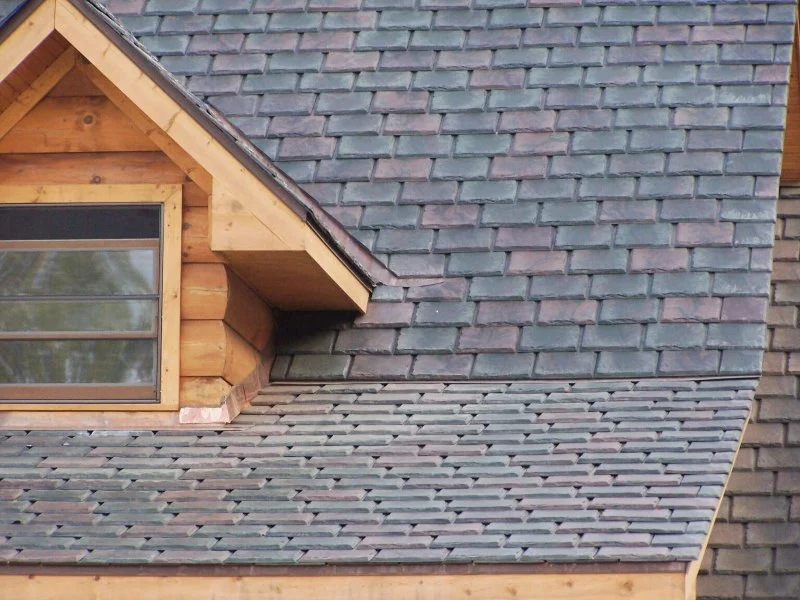
Slate roofing is a natural material that has been used for centuries to create durable, weather-resistant roofs. Made from metamorphic rock, slate roofs are known for their longevity, often lasting over 100 years with proper care. The tiles are usually rectangular or square and are mined in quarries before being hand-cut to size. Slate is naturally fire-resistant and offers excellent protection against the elements. Its aesthetic appeal is hard to match, giving homes an elegant and timeless look.

Toiture TNT / Gatineau Outaouais / avis sur toiture tnt / gatineau outaouais
1700 Rue Schryer, Gatineau, QC J8R 1S2, Canada
2- What is Synthetic Slate?
Synthetic slate, also known as artificial slate, is made from a variety of materials such as rubber, plastic, and other composite materials that mimic the appearance of natural slate. Synthetic slate tiles are engineered to replicate the look of traditional slate while providing a lighter, more affordable alternative. These tiles are designed to offer many of the same benefits as natural slate, including durability, weather resistance, and fireproofing. However, unlike natural slate, synthetic slate is often easier to install and can be more affordable.
Vancouver Moss Removal / moss removal north vancouver
VancouverMetro VancouverBritish Columbia
1615 Frances St #105, Vancouver, BC V5L 1Z3, Canada
3- Cost Comparison: Slate vs Synthetic Slate
When choosing between slate and synthetic slate, cost is often one of the most important factors to consider. Here’s a breakdown of the cost comparison:
- Natural Slate: The cost of natural slate roofing can range from $800 to $1,500 per square, including materials and installation. The price varies based on factors such as the quality of the slate, the complexity of the installation, and your location.
- Synthetic Slate: Synthetic slate, on the other hand, typically costs between $400 and $700 per square, making it a more affordable option. However, it’s important to remember that installation costs can still vary depending on the complexity of your roof.
While synthetic slate is generally more cost-effective upfront, natural slate offers long-term durability that could justify the higher initial investment. The cost difference between the two materials should be weighed against your long-term goals and budget.
4- Maintenance Requirements for Slate vs Synthetic Slate
Both slate and synthetic slate require relatively low maintenance compared to other roofing materials, but there are some differences in how they should be cared for:
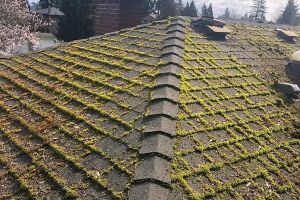
- Natural Slate: Slate roofing is extremely durable and requires minimal maintenance. However, over time, individual tiles may crack or break, especially if impacted by severe weather. It’s important to inspect the roof regularly for any damaged tiles and replace them promptly to avoid leaks. Slate roofs also require periodic cleaning to prevent moss and algae buildup.
- Synthetic Slate: Synthetic slate roofs are designed to be low maintenance, but they may not have the same lifespan as natural slate. They are less prone to cracking, but over time, the material may fade or discolor due to UV exposure. Regular cleaning and inspection are still recommended to keep the roof in good condition. Some synthetic slate options come with warranties that cover fading and degradation.
5- Aesthetic Appearance: Which One Looks Better?
The visual appeal of a roof is an important consideration for homeowners, especially when it comes to slate roofing. Here’s how natural slate and synthetic slate compare in terms of aesthetics:
- Natural Slate: Natural slate is known for its timeless beauty and unique look. Each tile has its own natural texture and color variations, giving the roof a distinctive and sophisticated appearance. The stone-like finish provides depth and elegance that can’t be perfectly replicated by synthetic materials.
- Synthetic Slate: While synthetic slate can closely mimic the look of natural slate, it may not have the same depth of color and texture. Advances in manufacturing have improved the appearance of synthetic slate, making it a good alternative, but it may lack the subtle variations and authenticity that natural slate provides. However, synthetic slate can be produced in a wide range of colors and styles, offering more customization options.
6- Which One to Choose for Your Home?
Choosing between slate and synthetic slate depends on several factors including budget, aesthetic preferences, and long-term durability. If you’re looking for a traditional, high-end look with a longer lifespan and are willing to invest more upfront, natural slate may be the best option for your home. On the other hand, if you’re looking for a more affordable, lightweight alternative that still provides excellent performance and a similar appearance, synthetic slate is a great choice.
Ultimately, both options offer strong protection against the elements, and the decision comes down to balancing cost, aesthetics, and maintenance requirements.
For more expert advice on roofing and to explore the best roofing options for your home, visit Pickering Roofing for top recommendations and services tailored to your needs.
 Flynn Canada Ltd. - Toronto3.0 (64 reviews)
 Dycon Roof Consultants5.0 (1 reviews)
 PROMETAL ROOFING5.0 (10 reviews)
 KW Roofing & Exterior Solutions4.0 (55 reviews)
 EPDM Roofers5.0 (2 reviews)
 Tarcom Roofing5.0 (3 reviews)
 How Much Does a New Roof Cost in 2025? Canadian Roofing Price Guide
 Top Signs Your Roof Has a Leak and What to Do About It in Canada
 Can You Install a New Roof Over an Old One in Canada?
 The Top Questions to Ask Before Hiring a Roofer in Canada
 What Are the Most Common Roofing Scams and How to Avoid Them in Canada
 How to Prepare Your Home for a Roofing Project in Canada