
- 1. Understanding the Impact of Rain Noise
- 2. Importance of Sound Dampening for Roofs
- 3. Types of Sound Dampening Materials
- 4. Choosing the Right Sound Dampening Material for Your Roof
- 5. Installation Tips for Sound Dampening Materials
1. Understanding the Impact of Rain Noise
For many homeowners, the sound of rain hitting the roof can be soothing, but for others, it can be a constant and disturbing noise. In areas where rain is frequent, the noise created by raindrops on the roof can affect your ability to sleep, concentrate, or even relax. This noise can be especially noticeable in metal roofs, flat roofs, and older homes with insufficient insulation. For those looking to mitigate this issue, using sound dampening materials can significantly improve the living environment by reducing the intensity of the noise.
Toiture Royale Expert Inc. / toiture royale expert
LévisChaudière-AppalachesQuébec
7921 Rue de l'Orge, Lévis, QC G6Y 0G1, Canada
2. Importance of Sound Dampening for Roofs
Sound dampening for roofs is important for a number of reasons. Not only does it help to reduce rain noise, but it also improves overall home comfort by making it more peaceful. This is especially true in urban environments or places with heavy rainfall. Here's why sound dampening matters:
- Improved Sleep Quality: By reducing the noise from rain, you create a quieter and more peaceful environment, making it easier to relax and sleep.
- Enhanced Focus: If you work from home or spend a lot of time in your house, minimizing distractions like rain noise can help you focus better on tasks.
- Increased Home Comfort: A quiet home is generally more comfortable and peaceful, contributing to a higher quality of life.
- Energy Efficiency: Some sound dampening materials also provide insulation, helping to keep your home warmer in winter and cooler in summer, thus enhancing energy efficiency.
3. Types of Sound Dampening Materials
There are various materials that can be used to dampen the sound of rain on your roof. Here are some of the most effective options:
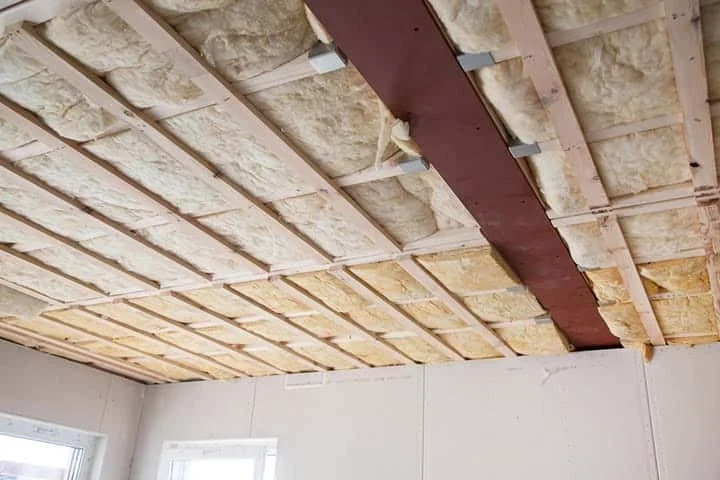
- Acoustic Insulation: One of the most common solutions for reducing rain noise is acoustic insulation. Materials such as fiberglass or foam boards can be installed beneath the roof to absorb sound and prevent it from traveling into your living spaces.
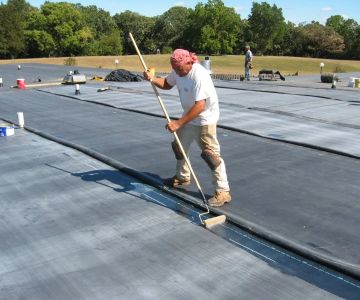
- Rubber Membranes: Rubber is an excellent soundproofing material. By installing rubber membranes on the roof, you can reduce the sound of rain hitting the surface. These are commonly used in flat roof designs.
- Spray Foam Insulation: Spray foam not only helps with insulation but also provides a high degree of soundproofing. It can be applied directly to the underside of the roof deck and fills in gaps that allow sound to pass through.
- Soundproof Roof Underlayments: Some roofing companies offer soundproofing underlayments specifically designed to reduce rain noise. These materials are often a combination of rubber, foam, or felt and can be installed under your existing roofing materials.
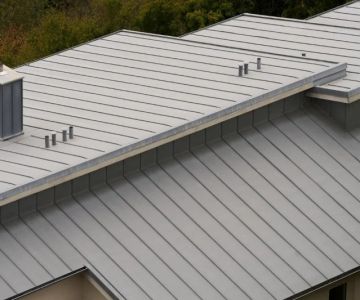
- Dense Roof Coverings: Dense roofing materials such as slate or clay tiles can naturally dampen sound. These materials are heavy and can absorb sound better than lighter materials like shingles or metal roofing.
4. Choosing the Right Sound Dampening Material for Your Roof
Choosing the right sound dampening material for your roof depends on several factors, including the type of roof you have, your budget, and the level of noise reduction you desire. Here are some tips to help you make the right choice:
- Roof Type: Consider your roof’s design. If you have a flat roof, rubber membranes or spray foam insulation may be the best choice. For pitched roofs, acoustic insulation and soundproof underlayments can be more effective.
- Noise Level: Evaluate how much rain noise you’re dealing with. If you live in an area with heavy rainfall, you may need more substantial materials like rubber membranes or dense roof coverings to achieve significant noise reduction.
- Budget: Some sound dampening solutions can be expensive, especially if you're installing materials like slate tiles. However, cheaper solutions like foam boards or acoustic insulation can still be highly effective while being more affordable.
- Longevity: Choose materials that offer long-term durability and won't degrade over time. High-quality insulation materials and underlayments can last for years without needing replacement.
5. Installation Tips for Sound Dampening Materials
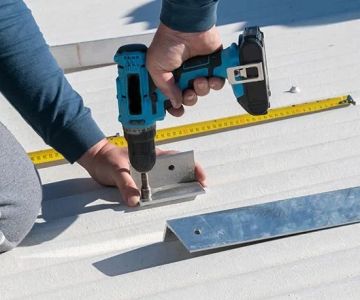
Installing sound dampening materials can be a complex task, depending on the type of material and your roof structure. Here are some installation tips to ensure the best results:
- Hire a Professional: If you're not experienced with roofing installations, it’s best to hire a professional. Roofing contractors are trained to install soundproofing materials correctly and can ensure that the materials are properly sealed to maximize their effectiveness.
- Use Quality Materials: Don’t cut corners when choosing sound dampening materials. Investing in high-quality, durable products will pay off in the long run by providing better noise reduction and lasting longer.
- Proper Sealing: Ensure that the materials are properly sealed to prevent gaps that may allow sound to leak through. Proper sealing also helps prevent water infiltration, which could cause long-term damage to your roof.
- Consider Layering: For maximum soundproofing, consider layering materials. For example, you can combine acoustic insulation with rubber membranes for optimal rain noise reduction.
If you need assistance with selecting or installing sound dampening materials for your roof, visit Pickering Roofing for expert guidance and services.
 Toitures Prestige de l'Outaouais - Couvreur Gatineau5.0 (40 reviews)
 Bellissimo Roofing & Exteriors4.0 (36 reviews)
 Three Bro Squirrels Roofing Ltd.4.0 (119 reviews)
 Patwar Roofing Inc.5.0 (9 reviews)
 Pioneer Roofing & Construction5.0 (4 reviews)
 Toitures Concept0.0 (0 reviews)
 How Much Does a New Roof Cost in 2025? Canadian Roofing Price Guide
 Top Signs Your Roof Has a Leak and What to Do About It in Canada
 Can You Install a New Roof Over an Old One in Canada?
 The Top Questions to Ask Before Hiring a Roofer in Canada
 What Are the Most Common Roofing Scams and How to Avoid Them in Canada
 How to Prepare Your Home for a Roofing Project in Canada