
Are Cool Roofs Really Energy Efficient?
- 1-Understanding Cool Roofs
- 2-How Cool Roofs Work
- 3-Energy Efficiency of Cool Roofs
- 4-Benefits of Cool Roofs
- 5-Considerations Before Installing a Cool Roof
- 6-Where to Find Roofing Services in Canada
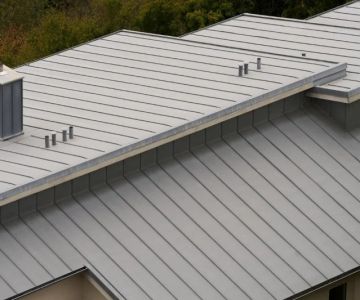
Cool roofs are specially designed roofing materials that reflect more sunlight and absorb less heat than traditional roofs. This makes them an energy-efficient solution for homes and businesses. In a typical roofing system, darker colors tend to absorb heat, which can raise the temperature inside a building. In contrast, cool roofs have a high solar reflectance, meaning they reflect a significant portion of the sunlight that hits them, keeping buildings cooler and reducing the need for air conditioning. Cool roofs can be made from a variety of materials, including reflective shingles, tiles, and coatings, all designed to reflect more sunlight and emit less heat. In Canada, where summers can be warm and energy consumption for cooling can rise, cool roofs are becoming increasingly popular due to their potential to reduce cooling costs and improve energy efficiency. The concept behind cool roofs is simple but effective: they use reflective materials to reduce the amount of heat absorbed by a building. By reflecting more sunlight, cool roofs help to maintain a lower roof temperature. This reduces the heat transferred into the building and minimizes the need for air conditioning, leading to lower energy bills and a more comfortable indoor environment. Cool roofs are measured by their solar reflectance index (SRI), which is a measure of the roof’s ability to reflect sunlight. A higher SRI means a roof is better at reflecting sunlight and staying cooler. Some cool roof materials also have high thermal emittance, meaning they can release absorbed heat efficiently, further helping to regulate the temperature inside the building. QuébecCapitale-NationaleQuébec 1095 Chem. de la Canardière #4, Québec, QC G1J 2C2, Canada Cool roofs are particularly energy-efficient because they help to reduce the need for air conditioning, which is one of the largest sources of energy consumption in many buildings, especially during the warmer months. By reflecting sunlight and reducing heat absorption, cool roofs can lower the overall temperature inside your home or business, resulting in the following: In addition to energy efficiency, cool roofs offer a range of other benefits, making them an attractive option for both homeowners and businesses: While cool roofs offer many advantages, there are some factors to consider before deciding if they are the right option for your home or building: If you're considering installing a cool roof, it’s important to work with experienced professionals who understand the unique needs of your building. At Pickering Roofing, we specialize in both traditional and energy-efficient roofing options, including cool roofs. Our experts can help you choose the best roofing solution for your home or business and ensure proper installation for optimal performance and energy savings.1-Understanding Cool Roofs
2-How Cool Roofs Work
Toitures Bernier et Fils / toitures bernier
3-Energy Efficiency of Cool Roofs
4-Benefits of Cool Roofs
5-Considerations Before Installing a Cool Roof
6-Where to Find Roofing Services in Canada
 VK Roofing Ltd.4.0 (75 reviews)
 Top world roofing LTD0.0 (0 reviews)
 North Force Contracting Ltd.5.0 (12 reviews)
 UnderCutters Roofing4.0 (31 reviews)
 Byron Roofing4.0 (74 reviews)
 Toitures CASA3.0 (3 reviews)
 How Much Does a New Roof Cost in 2025? Canadian Roofing Price Guide
 Top Signs Your Roof Has a Leak and What to Do About It in Canada
 Can You Install a New Roof Over an Old One in Canada?
 The Top Questions to Ask Before Hiring a Roofer in Canada
 What Are the Most Common Roofing Scams and How to Avoid Them in Canada
 How to Prepare Your Home for a Roofing Project in Canada