
- 1- Introduction to Roof Ventilation and Energy Efficiency
- 2- The Role of Proper Roof Ventilation in Energy Savings
- 3- Types of Roof Ventilation Systems
- 4- How Roof Ventilation Affects Home Comfort
- 5- The Connection Between Roof Ventilation and Longevity
1- Introduction to Roof Ventilation and Energy Efficiency
When it comes to ensuring your home is energy efficient, roof ventilation plays a significant yet often overlooked role. Many homeowners are unaware of how crucial it is to maintain proper roof ventilation. Not only does it regulate temperature and prevent moisture buildup, but it also contributes to energy savings by optimizing the overall efficiency of the HVAC system.
In this article, we’ll explore the relationship between roof ventilation and energy efficiency, discuss the various types of ventilation systems available, and provide tips on how to maximize the benefits of a properly ventilated roof.
2- The Role of Proper Roof Ventilation in Energy Savings
Proper roof ventilation helps in maintaining the balance between warm and cool air within your attic, which in turn impacts the energy efficiency of your home. In the summer, a well-ventilated roof allows hot air to escape, preventing it from transferring into the living spaces below. In the winter, it helps keep the attic cooler, preventing ice dams from forming.
Without adequate ventilation, your attic can trap heat in the summer, making it harder to cool your home and causing your air conditioning system to work harder, thus increasing your energy bills. Similarly, in the winter, moisture accumulation in the attic can lead to mold growth and damage, further impacting your home’s overall energy performance.
Incorporating proper ventilation systems will help to balance these extremes, leading to better energy savings and lower utility costs. Over time, you’ll notice a reduction in the need for constant heating or cooling, which can save you a substantial amount of money.
3- Types of Roof Ventilation Systems
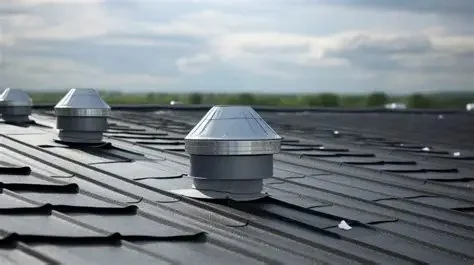
There are several types of roof ventilation systems designed to improve airflow in your attic and enhance energy efficiency. The two main categories of roof vents are intake vents and exhaust vents, and the combination of both creates an efficient ventilation system.
- Ridge Vents: Installed along the roof ridge, these are one of the most effective forms of exhaust ventilation, allowing hot air to rise and escape naturally.
- Soffit Vents: Placed under the eaves of your roof, soffit vents act as intake vents that allow fresh air to enter the attic, balancing the airflow and promoting proper ventilation.
- Gable Vents: Installed at the peaks of gable walls, these vents allow air to flow freely through the attic, offering an additional means of exhausting hot air.
- Turret or Whirlybird Vents: These spin to expel hot air and moisture from the attic, providing an efficient way to regulate temperature and humidity levels in the space.
It’s essential to choose a ventilation system that fits your home’s specific needs. A professional roofing contractor can evaluate your attic and recommend the best system for optimal efficiency.
4- How Roof Ventilation Affects Home Comfort
Proper roof ventilation plays a key role in maintaining the comfort of your home. In the hot summer months, an unventilated attic can cause extreme temperatures in your living spaces, making the air conditioner work overtime. A well-ventilated attic can help regulate indoor temperatures, reducing the reliance on air conditioning and improving the overall comfort of your home.
In winter, the proper ventilation prevents heat buildup in the attic, which can cause an uneven distribution of heat throughout the house. It also prevents the formation of ice dams on your roof, which can lead to water leaks and damage your ceilings and insulation.
With effective roof ventilation, your home stays comfortable year-round without excessive energy consumption, contributing to a more sustainable lifestyle and lower energy costs.
5- The Connection Between Roof Ventilation and Longevity
Besides improving energy efficiency and comfort, proper roof ventilation also contributes to the longevity of your roof and other parts of your home. When moisture is trapped in the attic due to insufficient ventilation, it can cause wood rot, mold growth, and deterioration of the roofing materials. Over time, this can lead to costly repairs and a shorter lifespan for your roof.
Proper ventilation helps to prevent these issues by ensuring that the attic remains dry and well-ventilated. This extends the life of your roof, protects your home’s structural integrity, and reduces the frequency of repairs.
Regular maintenance of your ventilation system is essential to keep it functioning efficiently. Ensure that vents are clear of debris and that airflow is not obstructed. This simple task can save you significant amounts of money in repair costs and prolong the life of your roof.
 NorthCan Roofing Inc.5.0 (23 reviews)
 Mr. Roofing & Siding5.0 (7 reviews)
 Concept Roofing Ltd.5.0 (4 reviews)
 Hy-Grade Steel Roofing System5.0 (5 reviews)
 Reliable Roofers4.0 (111 reviews)
 Great North Property Enhancement Specialists0.0 (0 reviews)
 How Much Does a New Roof Cost in 2025? Canadian Roofing Price Guide
 Top Signs Your Roof Has a Leak and What to Do About It in Canada
 Can You Install a New Roof Over an Old One in Canada?
 The Top Questions to Ask Before Hiring a Roofer in Canada
 What Are the Most Common Roofing Scams and How to Avoid Them in Canada
 How to Prepare Your Home for a Roofing Project in Canada