
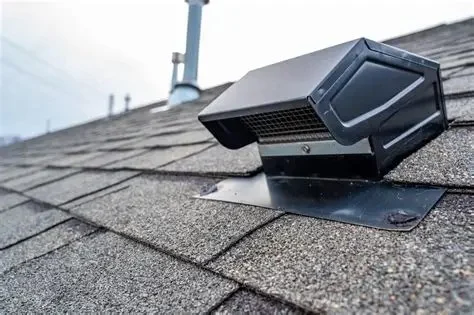
- roof-ventilation-energy-link - How Roof Ventilation Impacts Energy Efficiency
- types-of-roof-ventilation-systems - Common Roof Ventilation Systems in Canadian Homes
- seasonal-benefits-in-canada - The Seasonal Benefits of Roof Ventilation Across Canadian Climates
- ventilation-and-attic-health - Proper Ventilation’s Role in Moisture Control and Attic Longevity
- real-case-pickering-ventilation-upgrade - A Real Case: Pickering Family Cuts Energy Bills with Ventilation Upgrade
- choosing-right-ventilation-contractor - Choosing the Right Roofing Contractor for Ventilation Improvements
1. How Roof Ventilation Impacts Energy Efficiency
Many Canadian homeowners underestimate the critical link between roof ventilation and energy efficiency. A properly ventilated roof allows hot, stale air to escape in summer and prevents moisture buildup in winter. Without it, your attic can become a trap for heat and humidity, leading to skyrocketing HVAC costs and damage to insulation, roofing material, and even indoor air quality.
In regions like Ontario or Alberta, where winters are harsh and summers can get surprisingly warm, that temperature swing puts your attic under stress. The result? Overworked furnaces in winter and air conditioners in summer. A balanced ventilation system keeps your attic close to the outside air temperature, reducing this load and stabilizing energy use year-round.
Horizon Roofing Ltd / horizon roofing
3735 Cabana Road E, Windsor, ON N8V 0A5, Canada
2. Common Roof Ventilation Systems in Canadian Homes
2.1 Ridge and Soffit Vent System
Ridge and soffit vents are one of the most efficient and balanced systems. The soffit vents pull cool air in at the eaves, while ridge vents allow hot air to escape at the peak of the roof. This passive flow uses natural convection, making it both effective and energy-free.
XACT Roof & Renovation Ltd. / xact roofing
227 Regent Ave W, Winnipeg, MB R2C 1R3, Canada
2.2 Gable Vents
Often found in older Canadian homes, gable vents are placed on opposite walls near the roof peaks. While they offer some cross-ventilation, they’re less effective in extreme climates unless supplemented with other systems.
2.3 Powered Roof Vents
In areas like Vancouver or Montreal, where humidity can be a constant challenge, powered vents are sometimes used to actively draw hot air and moisture out. These require electricity but can dramatically boost ventilation in problematic attics.
2.4 Turbine Vents
Wind-driven turbine vents, also called whirlybirds, are popular in windy regions such as the Prairies. They spin naturally in the breeze to extract air but should be installed with proper sealing to prevent drafts or leaks.
3. The Seasonal Benefits of Roof Ventilation Across Canadian Climates
3.1 Summer Energy Savings
In the heat of a July afternoon in Toronto, attic temperatures can easily exceed 140°F (60°C). Without ventilation, that heat radiates into living spaces, forcing your A/C to work harder. Good ventilation flushes that heat out, reducing energy bills and wear on your cooling system.
3.2 Winter Ice Dam Prevention
One of the most damaging winter issues for Canadian homes is ice damming. This happens when warm air from an improperly ventilated attic melts snow on the roof, which then refreezes at the eaves. This creates a dam, leading to water back-up and interior leaks. Proper airflow keeps the roof uniformly cold, preventing melting and ice formation.
3.3 Extended Roof Lifespan
Heat and moisture shorten the life of your roof deck and shingles. Inconsistent temperatures can cause premature curling, cracking, and blistering. A roof with good ventilation performs better across all four seasons—especially in diverse climates like those across Canada.
4. Proper Ventilation’s Role in Moisture Control and Attic Longevity
4.1 Combating Condensation
Everyday activities like cooking, showering, and even breathing release moisture into your home. That moisture rises and can collect in the attic if it has nowhere to go. Without proper ventilation, condensation can soak insulation, invite mold growth, and degrade structural components like rafters and joists.
4.2 Insulation Performance
Wet insulation is ineffective insulation. In many Ontario homes, especially older builds, inadequate ventilation has led to attic insulation losing its R-value from absorbed moisture. That means higher bills and lower comfort. Balanced airflow preserves insulation performance and keeps your home more efficient.
4.3 Mold and Air Quality
Mold and mildew thrive in poorly ventilated spaces. These can spread quickly in a humid attic, eventually affecting indoor air and triggering respiratory issues for your family. Keeping air moving helps prevent this health hazard.
5. A Real Case: Pickering Family Cuts Energy Bills with Ventilation Upgrade
In 2023, a family in Pickering, Ontario reached out to Pickering Roofing after experiencing ice damming and high winter heating bills. Upon inspection, it was discovered that their attic had minimal soffit ventilation and ineffective gable vents.
The solution was a full retrofit using continuous ridge and soffit vents, along with attic air baffles to ensure proper flow. The result? Ice dams disappeared, attic temperatures stabilized, and the family reported a 17% drop in heating costs that winter. In summer, their A/C usage also declined, thanks to cooler attic conditions.
This story highlights the real financial and functional benefits of upgrading roof ventilation—and the value of working with experts who understand local climate dynamics.
6. Choosing the Right Roofing Contractor for Ventilation Improvements
6.1 Local Knowledge Is Critical
Ventilation needs vary across Canada. A contractor in Nova Scotia faces different humidity and wind conditions than one in Calgary. Look for a roofer who understands how to tailor systems to your region’s weather patterns.
6.2 Look for Detailed Inspections
The best ventilation upgrades start with a full attic and roof inspection. That includes checking existing airflow, spotting moisture damage, and identifying insulation issues. Teams like Pickering Roofing provide detailed reporting so you can make informed decisions—not guesswork.
6.3 Transparent Estimates and Ongoing Support
Roofing and ventilation work is an investment. Make sure your contractor offers clear quotes, explains the products used, and backs their work with solid warranties. Look for long-term support—not just a quick fix.
Proper roof ventilation isn’t a luxury—it’s a necessity in Canada’s climate. From energy savings to roof durability and indoor comfort, ventilation plays a quiet but crucial role in home performance. Whether you're battling ice dams in winter or sweltering attic heat in summer, expert help from Pickering Roofing ensures your roof is breathing the way it should—and your home is saving energy all year long.

 Fisher Roofing5.0 (3 reviews)
 Christensen & McLean Roofing3.0 (13 reviews)
 Downtown Roofing4.0 (10 reviews)
 2 The Top Roofing Corp.5.0 (101 reviews)
 King Koating3.0 (23 reviews)
 The Roofing Factory5.0 (29 reviews)
 How Much Does a New Roof Cost in 2025? Canadian Roofing Price Guide
 Top Signs Your Roof Has a Leak and What to Do About It in Canada
 Can You Install a New Roof Over an Old One in Canada?
 The Top Questions to Ask Before Hiring a Roofer in Canada
 What Are the Most Common Roofing Scams and How to Avoid Them in Canada
 How to Prepare Your Home for a Roofing Project in Canada