
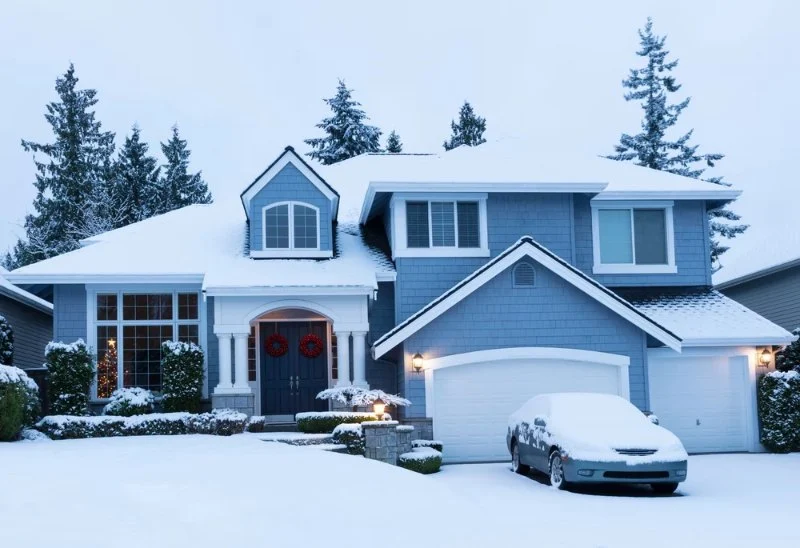
Roof load ratings are an essential factor in maintaining the structural integrity of your home, especially during the cold winter months when heavy snow accumulation can pose a serious risk. As a Canadian homeowner, understanding how much weight your roof can safely bear, and how to manage snow buildup, is critical for preventing roof damage or even collapse. This article provides expert insights into roof load ratings, snow accumulation, and the measures you can take to ensure your home stays safe during winter storms.
- 1. Understanding Roof Load Ratings
- 2. How Snow Accumulation Affects Roofs
- 3. Determining Your Roof's Snow Load Capacity
- 4. How to Properly Maintain Your Roof During Winter
- 5. When to Call a Professional Roofer
1. Understanding Roof Load Ratings
Roof load ratings refer to the maximum weight a roof can safely support without compromising its structural integrity. These ratings are determined by factors such as the material used, the design of the roof, and the age of the structure. For homes in Canada, roof load ratings are particularly important due to the heavy snowfall common during winter. A roof’s load rating is calculated based on two main types of load:
- Dead Load: This includes the weight of the roofing materials themselves, such as shingles, plywood, and insulation. These are constant and don't change over time.
- Live Load: This includes the weight of snow, ice, and even rain that accumulates on the roof. In snowy climates like Canada, snow load is a critical factor to consider.
The combination of dead and live loads determines the overall capacity of your roof. It's essential to know these limits to avoid unnecessary strain on the structure, especially during winter storms.
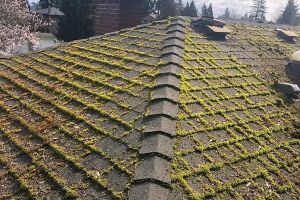
Vancouver Moss Removal / moss removal north vancouver
VancouverMetro VancouverBritish Columbia
1615 Frances St #105, Vancouver, BC V5L 1Z3, Canada
2. How Snow Accumulation Affects Roofs
Snow accumulation on a roof can quickly become problematic, especially when the snow builds up and starts to melt and refreeze. A significant amount of snow can add substantial weight, which may exceed the roof’s load rating. The potential risks include:
- Roof Collapse: If the snow load exceeds the roof’s rated capacity, it could lead to a partial or full collapse of the structure.
- Water Damage: Accumulated snow can cause water to back up under shingles and into your home when it melts, leading to leaks and damage.
- Ice Dams: When snow melts and refreezes at the edge of the roof, ice dams can form, preventing proper drainage and leading to water seepage inside your walls.
Understanding the weight of snow accumulation is crucial to ensure your roof can handle it safely. If the snow accumulates beyond what your roof can bear, it’s important to take immediate action.

J.R. Trory & Company Ltd / burrard roofing & drainage
North VancouverMetro VancouverBritish Columbia
1443 Crown St, North Vancouver, BC V7J 1G4, Canada
3. Determining Your Roof's Snow Load Capacity
To determine your roof’s snow load capacity, several factors need to be considered:
- Roof Design: Flat roofs and low-pitched roofs tend to accumulate more snow than steeper roofs. A steep-pitched roof allows snow to slide off more easily.
- Roof Material: Different roofing materials (such as metal, asphalt shingles, or clay tiles) have different weight capacities.
- Location: Depending on the region in Canada, snow accumulation rates vary. Areas prone to heavy snowfalls will require roofs with a higher snow load capacity.
If you're unsure of your roof’s capacity, it’s always a good idea to consult with a professional roofer who can assess the situation and provide recommendations. A roof inspection may be necessary to ensure its integrity before the winter season sets in.
4. How to Properly Maintain Your Roof During Winter
Preventing damage caused by snow accumulation starts with regular roof maintenance. Here are some essential maintenance tips:
- Remove Snow Accumulation: Use a roof rake with a long handle to carefully remove excess snow from your roof. Start from the edge of the roof and work your way up to avoid damaging shingles or gutters.
- Inspect Gutters: Ensure your gutters are clear of debris so water can flow freely. Clogged gutters can exacerbate snow and ice buildup on your roof.
- Seal Leaks: Inspect your roof for any gaps or cracks where heat could escape, as this can contribute to melting snow and ice dams. Use caulk or weatherproofing materials to seal any leaks.
Regular roof maintenance can prevent major issues during heavy snowstorms and prolong the life of your roof.
5. When to Call a Professional Roofer
While some snow removal tasks can be handled by homeowners, certain situations call for professional help. You should consider calling a roofer if:
- Snow Removal Is Dangerous: If you can't safely reach the roof or the snow is too deep, a professional can help remove it safely.
- Signs of Structural Damage: If you notice any sagging in the roof or hear strange noises, it's time to call in a professional to assess the situation.
- Ice Dams Are Present: If ice dams are forming and you’re unsure how to address them, a professional roofer can remove them safely and prevent further damage.
If you need a roofing professional for an inspection, snow removal, or repairs, visit Pickering Roofing for expert roofing services tailored to the harsh Canadian winters.
In conclusion, understanding roof load ratings and snow accumulation is vital for homeowners, especially in Canada where winters can be harsh. By being proactive with roof maintenance and knowing when to call in a professional, you can avoid costly repairs and ensure your home stays safe throughout the winter months. For reliable roofing services, visit Pickering Roofing.
 All Seasons Roofing & Renovations4.0 (54 reviews)
 Rhino Roofing and building3.0 (1 reviews)
 T-CON METAL SYSTEMS3.0 (6 reviews)
 Active roofing and construction1.0 (1 reviews)
 Morin Insulation & Roofing Ltd4.0 (26 reviews)
 Les Toitures Charette Roofing Inc4.0 (18 reviews)
 How Much Does a New Roof Cost in 2025? Canadian Roofing Price Guide
 Top Signs Your Roof Has a Leak and What to Do About It in Canada
 Can You Install a New Roof Over an Old One in Canada?
 The Top Questions to Ask Before Hiring a Roofer in Canada
 What Are the Most Common Roofing Scams and How to Avoid Them in Canada
 How to Prepare Your Home for a Roofing Project in Canada