
- 1. Introduction: The Importance of Roof Attachments in Winter
- 2. Snow Guards: What They Are and How They Work
- 3. Ice Clips: Preventing Ice Dams and Roof Damage
- 4. Heat Tape: A Powerful Solution for Ice Prevention
- 5. Real-life Case Study: How Roof Attachments Saved a Home
- 6. Conclusion: Choosing the Right Roof Attachment for Your Home
1. Introduction: The Importance of Roof Attachments in Winter
In Canada, winter weather can be harsh, and one of the most vulnerable parts of your home is the roof. Snow, ice, and freezing temperatures can lead to significant roof damage if not properly managed. One of the best ways to protect your home during these cold months is by installing roof attachments like snow guards, ice clips, and heat tape. These solutions not only prevent costly damage but also ensure the safety and longevity of your roofing system.

Toiture TNT / Gatineau Outaouais / avis sur toiture tnt / gatineau outaouais
1700 Rue Schryer, Gatineau, QC J8R 1S2, Canada
2. Snow Guards: What They Are and How They Work
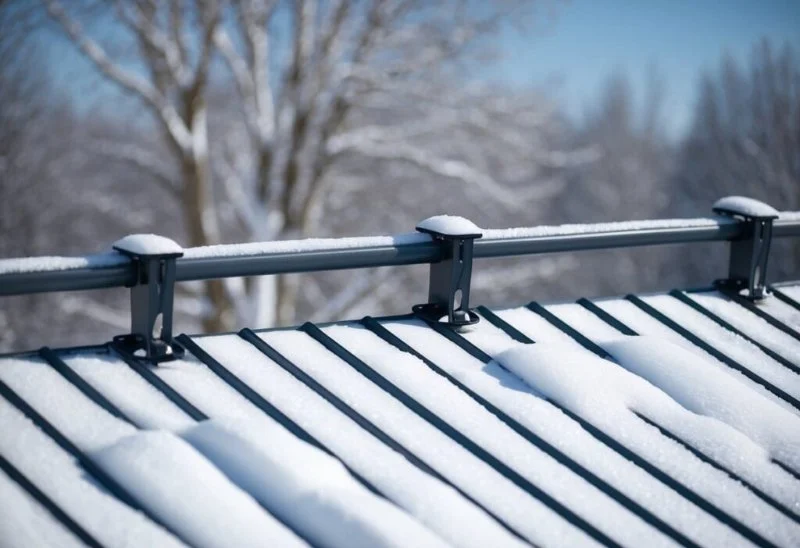
Snow guards are devices designed to prevent large amounts of snow from sliding off the roof all at once. In Canada, where snow accumulation can be heavy, snow guards are essential for preventing snow avalanches that could damage gutters, landscaping, or even cause injury. These guards hold the snow in place, allowing it to melt gradually, reducing the risk of sudden snowfalls onto sidewalks or driveways.

CentiMark Ltd. / centimark corporation
740 Huronia Rd Unit 9, Barrie, ON L4N 6C6, Canada
Types of Snow Guards
There are various types of snow guards, including:
- Clear Plastic Guards: A discreet and effective solution that blends with the roof while providing solid snow retention.
- Metal Snow Guards: Highly durable and often used for slate, metal, and tile roofs. They can handle the weight of heavy snowfalls.
- Panel Snow Guards: Installed in rows and often used on larger, sloped roofs to create an even layer of snow retention.
Choosing the right type of snow guard depends on your roof’s material, slope, and the amount of snowfall in your region.
3. Ice Clips: Preventing Ice Dams and Roof Damage
Ice dams form when warm air from inside the attic melts the snow on the roof, causing the water to flow down to the eaves where it refreezes, creating a thick layer of ice. This ice dam can trap more melting snow, leading to water backup under the shingles, which can result in leaks and severe damage to the roof structure.
Ice clips, also known as ice dam prevention clips, are specifically designed to combat this problem. These clips create channels that allow water to flow off the roof, preventing it from pooling and freezing at the edges. By keeping the water flowing, ice clips reduce the likelihood of ice dam formation, which is crucial in colder climates like Canada.
Benefits of Ice Clips
- Prevents water damage by ensuring proper drainage.
- Reduces the buildup of dangerous ice dams that can compromise roof integrity.
- Increases the lifespan of the roof and reduces the need for costly repairs.
4. Heat Tape: A Powerful Solution for Ice Prevention
Heat tape, also known as heat cables, is an electric solution used to prevent the formation of ice dams. The tape is installed along the edges of the roof and in gutters, where it melts the snow and ice, ensuring proper drainage and preventing buildup. Heat tape is a popular choice for homeowners looking for an effective and relatively low-maintenance solution for harsh winters.
How Heat Tape Works
Heat tape works by heating up when plugged into an electrical outlet, warming the area around it and preventing the water from freezing. It is most effective when installed in strategic areas where ice dams typically form, such as gutters and roof valleys.
Considerations Before Installing Heat Tape
While heat tape is effective, there are a few things to consider before installation:
- Energy Consumption: Heat tape requires electricity to function, so consider the ongoing energy costs when deciding if it’s the right solution for your home.
- Professional Installation: Proper installation is key to its success. Hire a professional to ensure that the tape is installed safely and effectively.
5. Real-life Case Study: How Roof Attachments Saved a Home
In one Canadian case, a family living in the snowy region of Quebec struggled with frequent ice dams that caused water leaks inside their home. After installing a combination of snow guards, ice clips, and heat tape, the homeowners noticed a significant reduction in ice dam formation. The snow guards kept the snow in place, the ice clips ensured proper drainage, and the heat tape prevented freezing at the eaves. As a result, they avoided costly repairs and maintained the integrity of their roof throughout the winter.
6. Conclusion: Choosing the Right Roof Attachment for Your Home
When choosing roof attachments such as snow guards, ice clips, and heat tape, it's important to consider the specific needs of your home and local climate conditions. These attachments can significantly reduce the risk of damage from snow and ice, helping to protect your home and maintain the longevity of your roof. Whether you live in a snow-heavy area or a place prone to freezing temperatures, these solutions can make a big difference in keeping your roof safe and your home secure during the winter months.
For expert advice and high-quality products tailored to your needs, visit Pickering Roofing for the best roof attachments and roofing services.



 Armour Shield Roofing London4.0 (122 reviews)
 Sherak Ltd5.0 (39 reviews)
 Viktor Roofing5.0 (5 reviews)
 Triangle Roofing4.0 (11 reviews)
 Oakwood Roofing & Sheet Metal Co Ltd4.0 (31 reviews)
 Newfoundland Roofers4.0 (78 reviews)
 How Much Does a New Roof Cost in 2025? Canadian Roofing Price Guide
 Top Signs Your Roof Has a Leak and What to Do About It in Canada
 Can You Install a New Roof Over an Old One in Canada?
 The Top Questions to Ask Before Hiring a Roofer in Canada
 What Are the Most Common Roofing Scams and How to Avoid Them in Canada
 How to Prepare Your Home for a Roofing Project in Canada