
- 1. Introduction: The Importance of Choosing the Right Roofing for Snowy Climates
- 2. Understanding Snow Loads and Their Impact on Your Roof
- 3. Best Roofing Materials for Heavy Snow Loads
- 4. Proper Installation Techniques for Snow-Resistant Roofs
- 5. Maintaining Your Roof to Withstand Heavy Snow
- 6. Final Tips for Ensuring Your Roof Can Handle Heavy Snow
1. Introduction: The Importance of Choosing the Right Roofing for Snowy Climates
In areas that experience heavy snowfall, choosing the right roofing materials is crucial for ensuring the durability and safety of your home. Snow can put tremendous pressure on roofs, leading to potential damage or collapse if the materials aren't up to the task. In this article, we’ll explore how to select the best roofing materials for heavy snow loads and share tips on how to protect your home during the winter months.
XACT Roof & Renovation Ltd. / xact roofing
227 Regent Ave W, Winnipeg, MB R2C 1R3, Canada
2. Understanding Snow Loads and Their Impact on Your Roof
Snow load refers to the weight of the snow that accumulates on your roof, and it can vary depending on your geographical location, the type of snow, and the size of your roof. Roofs must be designed to handle these loads to prevent damage, and different types of snow (wet vs. dry) can impact the roof’s ability to support the weight.

Custom Contracting Burlington Roofing & Eavestrough Repair Burlington / eavestrough burlington
BurlingtonRegional Municipality of HaltonOntario
687 Waterloo St, Burlington, ON L7R 2S9, Canada
2.1 Types of Snow Loads
There are two main types of snow loads: dead loads and live loads. Dead loads are the constant weight of the snow that accumulates, while live loads include additional snow and ice that may accumulate during a storm. Both must be taken into account when choosing roofing materials.
2.2 Why Snow Loads Matter
Excessive snow accumulation can cause roofs to sag, crack, or even collapse, leading to costly repairs or safety hazards. Properly accounting for snow loads ensures that your roof can handle the pressure and continue to protect your home throughout the winter season.
3. Best Roofing Materials for Heavy Snow Loads
Not all roofing materials are created equal, especially when it comes to dealing with heavy snow loads. Below are some of the best materials for roofing in snowy climates:
3.1 Metal Roofing
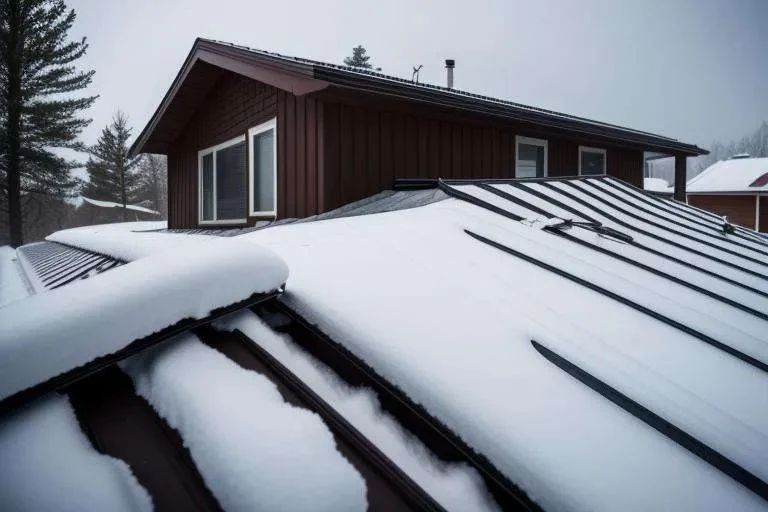
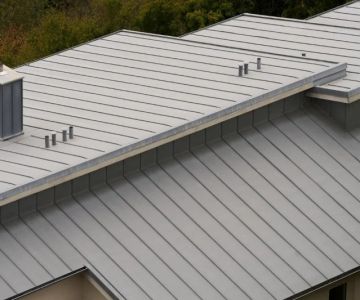
Metal roofing is one of the best options for snowy climates due to its durability and snow-shedding capabilities. The smooth surface allows snow to slide off easily, reducing the accumulation of snow and the potential for damage. Additionally, metal roofs are resistant to ice dams, a common issue in areas with heavy snow.
3.2 Asphalt Shingles
Asphalt shingles are commonly used for their affordability and ease of installation. However, they may not be as effective at shedding snow as metal roofing. To improve snow resistance, consider opting for higher-quality, thicker asphalt shingles, which can handle more weight and provide better insulation.
3.3 Slate Roofing
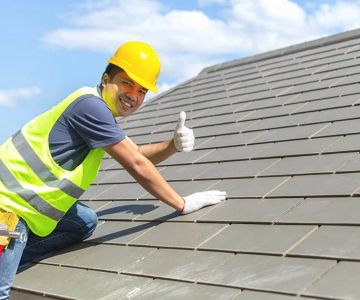
Slate roofing is a premium material known for its exceptional durability and longevity. It can withstand heavy snow loads with ease, making it ideal for areas that experience harsh winters. However, slate is heavy and can be more expensive to install, so it's important to ensure your roof structure can support its weight.
3.4 Clay and Concrete Tiles
Clay and concrete tiles are another heavy-duty option that can endure significant snow loads. While they provide excellent insulation and protection, they can be more prone to cracking if not installed properly. These materials are also heavier, so additional support may be needed for the roof structure.
4. Proper Installation Techniques for Snow-Resistant Roofs
Proper installation is crucial for ensuring that your roof can withstand heavy snow loads. Here are some key installation tips to consider:
4.1 Reinforce the Roof Structure
If you’re installing a new roof or replacing an existing one, make sure your roof structure is reinforced to handle the weight of heavy snow. This may involve adding additional trusses or beams to provide extra support.
4.2 Install Snow Guards
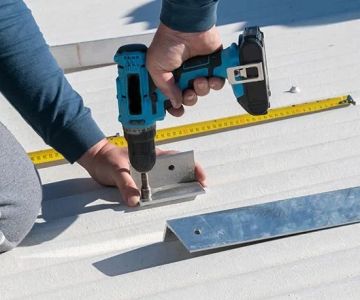
Snow guards are devices that can be installed on the roof to help prevent snow and ice from sliding off suddenly. These can be especially important for metal roofing, where snow might slide off quickly, creating a hazard for anyone below.
4.3 Proper Insulation and Ventilation
Ensure your roof is properly insulated and ventilated to prevent ice dams from forming. Ice dams occur when warm air from inside the house causes snow to melt, only to refreeze at the edge of the roof, blocking the flow of melting snow. Proper insulation helps keep the roof temperature consistent, preventing this issue.
5. Maintaining Your Roof to Withstand Heavy Snow
Roof maintenance is key to ensuring your roof can withstand heavy snow loads throughout the winter. Here are some maintenance tasks you should consider:
5.1 Regular Roof Inspections
Have your roof inspected regularly, especially before the winter season begins. Look for signs of wear, such as cracked shingles, loose flashing, or damage from previous storms. Early detection of problems can help prevent further damage during heavy snowfalls.
5.2 Snow Removal
If snow begins to accumulate on your roof, remove it carefully to prevent the buildup of weight. Use a roof rake to gently clear off snow, starting from the edges and working your way up. Be sure to avoid damaging shingles or tiles during the process.
6. Final Tips for Ensuring Your Roof Can Handle Heavy Snow
To conclude, here are a few final tips for ensuring your roof remains strong and durable during snowy conditions:
6.1 Choose the Right Roofing Material
As discussed, choosing the right roofing material is crucial for handling snow loads. Consider your climate, budget, and roof structure when selecting materials that will stand up to harsh winter conditions.
6.2 Plan for Winter Maintenance
Winter maintenance is essential for protecting your roof from snow and ice damage. Regular inspections, snow removal, and ensuring your attic is well-ventilated can go a long way in keeping your roof in top condition.
6.3 Work with a Professional
For the best results, it’s always advisable to work with a professional roofing contractor who is experienced in handling snow-resistant roofs. They can provide expert advice on the best materials, installation methods, and maintenance practices for your specific needs.
 King Koating3.0 (23 reviews)
 Toiture Inter0.0 (0 reviews)
 Lara's Roofing5.0 (10 reviews)
 Glenview Roofing & Construction5.0 (1 reviews)
 Platinum Roofing & Exteriors | Burlington and Oakville0.0 (0 reviews)
 Above It All Roofing Inc Oakville5.0 (1 reviews)
 How Much Does a New Roof Cost in 2025? Canadian Roofing Price Guide
 Top Signs Your Roof Has a Leak and What to Do About It in Canada
 Can You Install a New Roof Over an Old One in Canada?
 The Top Questions to Ask Before Hiring a Roofer in Canada
 What Are the Most Common Roofing Scams and How to Avoid Them in Canada
 How to Prepare Your Home for a Roofing Project in Canada