
1. What is Roof Shingle Granule Loss?
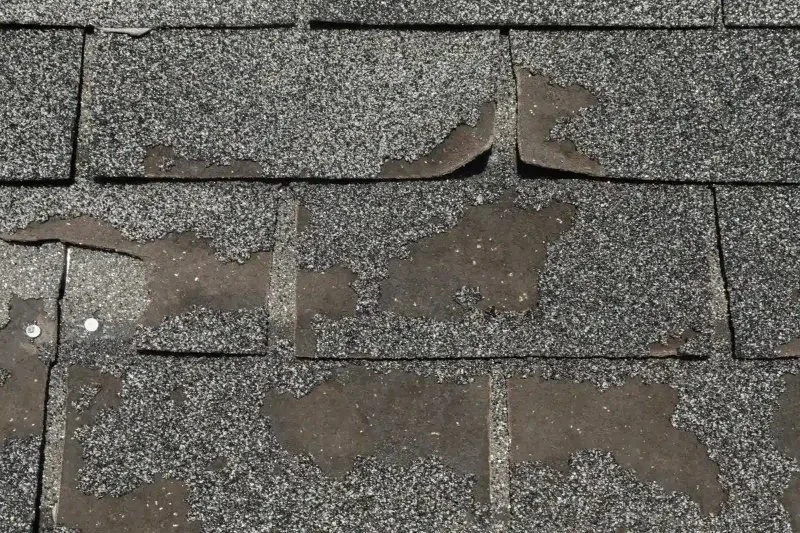
Roof shingle granule loss is a common issue that many homeowners face over time. The granules on asphalt shingles serve an important role: they protect the shingles from UV rays, provide fire resistance, and contribute to the overall durability of your roof. However, as shingles age, they can lose these granules, leading to potential damage and reduced lifespan of the roof. In this article, we will explore what roof shingle granule loss looks like, why it matters, and how it can affect the longevity and performance of your roof.
Concord Roofing / roofing company richmond hill
Richmond HillRegional Municipality of YorkOntario
551 16th Ave, Richmond Hill, ON L4C 7A7, Canada
2. Why Do Roof Shingles Lose Granules?
Granule loss is a natural part of the aging process for asphalt shingles, but it can also be caused by a variety of factors, including weather conditions, physical damage, and poor roof maintenance. Understanding why shingles lose their granules can help you take the necessary steps to prevent further damage.
Toiture Royale Expert Inc. / toiture royale expert
LévisChaudière-AppalachesQuébec
7921 Rue de l'Orge, Lévis, QC G6Y 0G1, Canada
2.1 Weathering and Sun Exposure
One of the most common reasons for granule loss is the wear and tear caused by exposure to the sun’s UV rays. Over time, the sun can break down the adhesive that holds the granules to the shingles, causing them to loosen and fall off. This process is gradual but becomes more noticeable as the roof ages, particularly on south-facing slopes that receive the most sun exposure.
2.2 Physical Damage
High winds, hail storms, and falling debris can also cause shingles to lose their granules. When these elements strike the roof, they can dislodge granules, leaving the shingles vulnerable to further damage. Physical damage to the shingles can accelerate granule loss and shorten the lifespan of your roof.
2.3 Improper Installation or Low-Quality Shingles
In some cases, granule loss can occur prematurely due to poor-quality shingles or improper installation. Shingles that are not properly sealed or those that are made from low-grade materials may lose granules faster than high-quality, well-installed shingles.
3. How to Identify Roof Shingle Granule Loss
It’s important to know what roof shingle granule loss looks like, as early detection can help prevent serious roof problems. Here are some signs to look out for:
3.1 Visible Granules in Gutters
One of the most obvious signs of granule loss is the presence of granules in your gutters or at the base of your downspouts. Asphalt shingles naturally shed a small amount of granules over time, but an excessive amount in the gutters may indicate that significant granule loss has occurred.
3.2 Bald Spots or Darkened Areas on the Roof
Another common sign of granule loss is the appearance of bald spots or darker areas on the roof. Since the granules are often colored, their absence can create patches of the underlying asphalt or fiberglass mat, which is typically darker in color.
3.3 Increased Signs of Aging on the Roof
As granules wear away, the roof may begin to show other signs of aging, such as cracking, curling, or curling edges on the shingles. These are all indicators that the shingles are no longer protected by their full complement of granules, which can lead to further deterioration if not addressed.
4. Why Roof Shingle Granule Loss Matters
Granule loss may seem like a minor issue, but it can lead to more significant roof problems over time. Here's why it matters:
4.1 Reduced UV Protection
One of the primary functions of the granules is to protect the asphalt shingles from harmful UV rays. Without these granules, the shingles become more vulnerable to damage from the sun, which can cause them to crack, warp, and become brittle. This reduces the overall lifespan of your roof and may lead to costly repairs or replacements.
4.2 Water Damage and Leaks
Granule loss exposes the underlying shingles to water penetration. Over time, this can lead to roof leaks, which, if left unchecked, may cause significant water damage to the structure of your home. Water damage can also lead to mold and mildew growth, which can further damage your home and your health.
4.3 Decreased Aesthetic Appeal
Roof shingle granule loss also affects the appearance of your roof. Bald spots or areas with fewer granules can make your roof look uneven or worn. This can be particularly noticeable if you're looking to sell your home, as a worn roof can impact the curb appeal and decrease the property value.
5. What to Do if You Notice Granule Loss on Your Roof
If you notice granule loss, it's important to take action before the issue worsens. Here are some steps you can take:
5.1 Perform Regular Roof Inspections
Regular roof inspections can help you spot granule loss early on. If you feel comfortable, you can inspect your roof yourself, or you can hire a professional roofing contractor to perform the inspection. Regular inspections help ensure that any potential issues are addressed before they cause significant damage.
5.2 Contact a Professional Roofing Contractor
If you notice significant granule loss or other signs of roof damage, it's a good idea to contact a professional roofing contractor. A roofing expert can assess the damage, provide recommendations, and suggest repairs or a full roof replacement if needed.
5.3 Consider Roof Maintenance or Replacement
If your roof is showing signs of granule loss, it may be time to consider maintenance or a complete replacement, depending on the severity of the damage. A professional roofing contractor can help you determine whether your roof needs minor repairs or a full replacement based on the extent of the granule loss and other factors like age and overall condition.
6. Conclusion: Protect Your Roof and Your Home
Roof shingle granule loss is a natural part of a roof’s lifespan, but it’s essential to catch it early and take the necessary steps to maintain your roof’s integrity. By keeping an eye out for signs of granule loss and addressing issues promptly, you can avoid further damage and ensure the long-term protection of your home. If you're concerned about granule loss or need roofing materials and expert advice, visit Pickering Roofing for the best products and services to protect your roof.

 Flynn Canada Ltd. - Toronto3.0 (64 reviews)
 Dycon Roof Consultants5.0 (1 reviews)
 PROMETAL ROOFING5.0 (10 reviews)
 KW Roofing & Exterior Solutions4.0 (55 reviews)
 EPDM Roofers5.0 (2 reviews)
 Tarcom Roofing5.0 (3 reviews)
 How Much Does a New Roof Cost in 2025? Canadian Roofing Price Guide
 Top Signs Your Roof Has a Leak and What to Do About It in Canada
 Can You Install a New Roof Over an Old One in Canada?
 The Top Questions to Ask Before Hiring a Roofer in Canada
 What Are the Most Common Roofing Scams and How to Avoid Them in Canada
 How to Prepare Your Home for a Roofing Project in Canada