
- Top Signs Your Roof Has a Leak
- How to Detect a Roof Leak Yourself
- Why Roof Leaks Happen
- What to Do About a Roof Leak
Top Signs Your Roof Has a Leak
Discovering a roof leak early can save you from expensive repairs and property damage. Leaks often start small but can quickly become significant if not addressed. Here are the top signs to look out for:
Stokes Roofing / stokes roofing
PeterboroughPeterborough CountyOntario
641 Bellaire St, Peterborough, ON K9J 3Y5, Canada
1. Water Stains on Ceilings or Walls
One of the most noticeable signs of a roof leak is the appearance of water stains on your ceiling or walls. These stains typically have a yellowish-brown color and may be accompanied by peeling paint or wallpaper. If you notice these stains, it's time to investigate further to locate the source of the leak.
Toiture TNT / Gatineau Outaouais / avis sur toiture tnt / gatineau outaouais
1700 Rue Schryer, Gatineau, QC J8R 1S2, Canada
2. Dripping Water
If you hear water dripping inside your home during or after it rains, it's a clear sign that your roof is leaking. Pay attention to where the sound is coming from. If you can hear the water dripping, the leak is likely near or directly above that spot.
3. Mold or Mildew Growth
Mold and mildew thrive in damp environments, and a leaky roof can create the perfect conditions for them to grow. If you notice a musty smell or see mold growth on the walls, ceiling, or attic, your roof may be leaking. It’s important to address mold growth promptly to prevent health issues.
4. Missing or Damaged Shingles
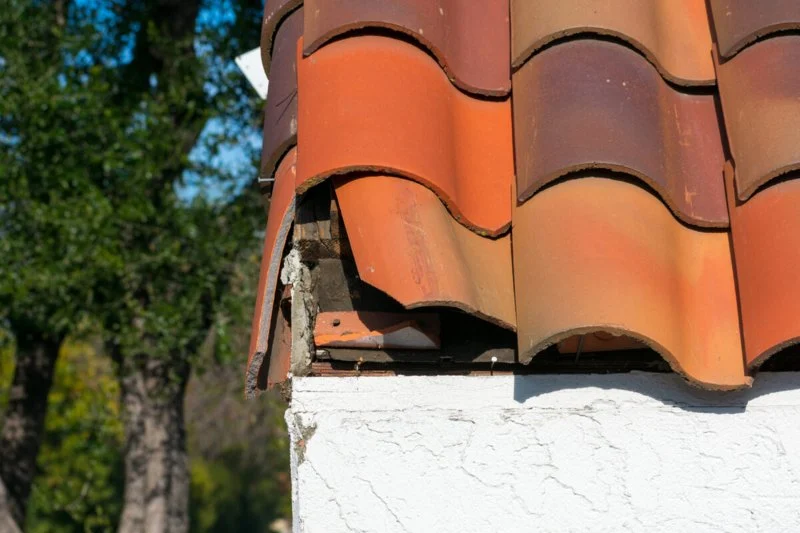
Inspect your roof regularly for any missing or damaged shingles. Shingles that are cracked, curled, or missing altogether expose the underlying layers of your roof to moisture, which can lead to leaks. If you find several damaged shingles, you may need to replace them or consider a roof inspection from a professional.
5. Wet or Damp Insulation in the Attic
Another clear sign of a roof leak is wet or damp insulation in your attic. If you inspect your attic after a rainstorm and find that the insulation is soaked, it's likely due to a roof leak. Wet insulation loses its effectiveness, leading to higher energy costs and potential mold issues.
How to Detect a Roof Leak Yourself
If you suspect your roof is leaking but can't pinpoint the exact location, here’s how to check for leaks yourself:
1. Inspect Your Attic
Start by going into your attic with a flashlight and look for signs of water damage. If you see dark spots, wet insulation, or signs of mold, these are indicators of a leak. Check the roof decking for any areas that appear damp or discolored.
2. Check the Roof Surface
Inspect the roof’s surface for visible signs of damage. Look for cracked, curled, or missing shingles, as well as areas where the flashing may be damaged or deteriorated. Check the chimney, skylights, and vent pipes as these are common places for leaks to occur.
3. Perform the “Garden Hose Test”
If you can’t locate the leak by visual inspection alone, try using a garden hose. Have someone stand inside the house while you spray water on different sections of the roof. Start from the bottom and work your way up, soaking the roof in sections. This can help pinpoint the area where the leak is occurring.
Why Roof Leaks Happen
Understanding the causes of roof leaks can help you prevent future issues. Here are some common reasons why roof leaks occur:
1. Age and Wear
Over time, your roof can naturally deteriorate due to exposure to the elements. Shingles become brittle, flashing may corrode, and seams can loosen, all of which contribute to leaks. If your roof is more than 20 years old, it’s essential to keep an eye on its condition.
2. Poor Installation
Inadequate installation of roofing materials can lead to leaks. If your roof was not installed properly, the materials may not fit together tightly, allowing water to seep in. It’s essential to hire a reputable roofing contractor to ensure your roof is installed correctly.
3. Damaged Flashing
Flashing is used to seal the joints and seams in your roof, such as around chimneys, skylights, and vents. If the flashing becomes cracked, bent, or rusted, water can seep through and cause leaks. Flashing can be particularly vulnerable to weathering and wear.
4. Clogged Gutters
Clogged gutters can cause water to overflow and pool on the roof. This can lead to water penetration, especially around the edges of the roof. Regularly cleaning your gutters can help prevent water damage and keep your roof in good condition.
What to Do About a Roof Leak
If you’ve discovered a roof leak, here’s what you should do to prevent further damage and get it fixed:
1. Temporary Fixes
If you can’t get a professional out immediately, you can use a temporary fix to prevent further water damage. Use a tarp to cover the affected area or apply roofing tape over small holes. Make sure the tarp is secured tightly to avoid further leaks.
2. Contact a Roofing Professional
While temporary fixes can help in the short term, it’s crucial to contact a roofing professional as soon as possible. They can assess the extent of the damage, identify the source of the leak, and recommend the appropriate repair or replacement options.
3. Insurance Claim
If the damage is extensive, you may be able to file a claim with your homeowner's insurance. Contact your insurance provider and schedule an inspection. A roofing contractor can provide the necessary documentation for your claim, helping you get the financial assistance needed to fix your roof.
Conclusion
Identifying and addressing a roof leak early can save you money and protect your home from further damage. By looking out for signs of water stains, mold, or damaged shingles, you can catch leaks before they cause serious issues. If you’re dealing with a roof leak, it’s essential to act quickly and consult a professional roofing contractor from Pickering Roofing to ensure your home stays safe and secure.
 Marlad Roofing & Siding Inc4.0 (30 reviews)
 Pro Guard Roofing Toronto5.0 (13 reviews)
 AZ Roofing3.0 (3 reviews)
 A & M Roofing3.0 (11 reviews)
 547 Renovations Roofing Specialists4.0 (89 reviews)
 Eileen Roofing Inc3.0 (37 reviews)
 How Much Does a New Roof Cost in 2025? Canadian Roofing Price Guide
 Top Signs Your Roof Has a Leak and What to Do About It in Canada
 Can You Install a New Roof Over an Old One in Canada?
 The Top Questions to Ask Before Hiring a Roofer in Canada
 What Are the Most Common Roofing Scams and How to Avoid Them in Canada
 How to Prepare Your Home for a Roofing Project in Canada