
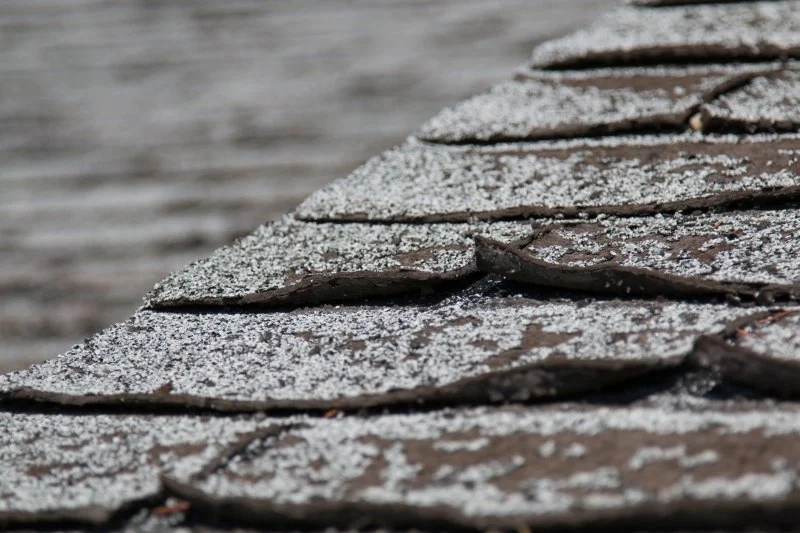
What Does Roof Granule Loss Mean for Your Shingles?
Roof granule loss is a common issue that many homeowners face over time, especially with asphalt shingles. These granules are a key component in your shingles' durability and ability to protect your home. Understanding the impact of granule loss on your roof can help you decide when it's time for maintenance or replacement. Let’s dive into what roof granule loss means for your shingles and how it can affect your home.
- What Are Roof Granules?
- Why Are Granules Important for Your Shingles?
- Causes of Granule Loss
- The Impact of Granule Loss on Your Roof
- How to Prevent Granule Loss
- When to Replace Your Roof Due to Granule Loss
What Are Roof Granules?
Roof granules are small, pebble-like particles that cover the surface of asphalt shingles. These granules are typically made of crushed rock and ceramic-coated minerals. They serve several functions, including protecting the shingles from harmful UV rays, adding weight to prevent curling, and improving the aesthetic appearance of the roof. Roof granules also act as a protective layer to ensure that your shingles withstand the elements over time.
Roof Doctor / roof doctors
KelownaCentral OkanaganBritish Columbia
715 Evans Ct, Kelowna, BC V1X 6G4, Canada
Why Are Granules Important for Your Shingles?
Granules play a vital role in the performance and lifespan of your shingles. Here’s why they are crucial:
- Protection from UV Rays: The granules shield the asphalt layer beneath them from UV radiation, preventing the shingles from deteriorating and becoming brittle.
- Weather Resistance: Granules help protect against harsh weather conditions, such as heavy rain, wind, and hail, by enhancing the shingles' ability to withstand the elements.
- Heat Reflection: They help reflect heat, contributing to better energy efficiency by reducing heat absorption and helping to maintain a more stable indoor temperature.
- Aesthetic Appeal: Granules also contribute to the visual appeal of your roof, as they come in various colors and textures that complement your home’s exterior.
Causes of Granule Loss
There are several factors that can lead to the loss of roof granules:
- Aging: Over time, as shingles age and weather, granules naturally begin to break loose. This is a common part of the life cycle of asphalt shingles.
- Weathering: Exposure to harsh weather conditions like heavy rain, hail, or strong winds can cause granules to loosen from the surface of shingles.
- Improper Installation: If shingles are not installed correctly or there is inadequate sealing, granules may come loose prematurely.
- Poor Ventilation: Poor attic ventilation can cause excessive heat buildup, which can dry out shingles and lead to granule loss.
The Impact of Granule Loss on Your Roof
Granule loss can have several significant impacts on your roof and home:
- Reduced Protection: Without granules, your shingles are more susceptible to UV rays, which can lead to faster aging and deterioration of the shingles themselves.
- Increased Risk of Leaks: Granules help protect the underlying asphalt layer from water penetration. Once the granules are gone, the shingles are less effective at preventing leaks.
- Decreased Aesthetic Appeal: As granules wear off, your roof may begin to look patchy and unattractive, which could decrease your home’s curb appeal.
- Lower Energy Efficiency: Granules help reflect heat, and without them, your roof may absorb more heat, leading to higher energy bills as your air conditioning works harder to cool your home.
How to Prevent Granule Loss
While granule loss is a natural process, there are steps you can take to minimize it:
- Choose High-Quality Shingles: Investing in high-quality, durable shingles can reduce the rate of granule loss and extend the life of your roof.
- Ensure Proper Installation: Make sure that your roof is installed by a reputable roofing contractor who follows industry standards for proper sealing and ventilation.
- Maintain Proper Ventilation: Ensure that your attic has proper ventilation to regulate temperature and prevent excessive heat buildup that could dry out your shingles.
- Regular Inspections: Schedule routine roof inspections to catch any early signs of granule loss or other issues before they escalate.
When to Replace Your Roof Due to Granule Loss
It’s important to monitor the extent of granule loss on your shingles. While minor granule loss may not require immediate attention, significant granule loss may indicate the need for roof replacement. Here’s when you should consider replacing your roof:
- Extensive Granule Loss: If large sections of your roof are missing granules, it may be time to replace the shingles, as the roof will no longer provide adequate protection against the elements.
- Visible Damage to the Shingles: If the shingles are cracked, curled, or showing significant wear, it’s a sign that your roof is past its prime and may need replacement.
- Water Leaks: If you start noticing water leaks inside your home, the granule loss may have led to a compromised roof, and replacement is necessary to avoid further damage.
If you notice any signs of granule loss on your roof, it’s best to contact a professional roofing contractor. At Pickering Roofing, we offer expert roof inspections and can help you determine whether your roof needs maintenance or replacement. Contact us today for a consultation and ensure your roof stays in top condition!

 Reactive Renovations4.0 (45 reviews)
 Renovations By Shane4.0 (34 reviews)
 Bruce Clarke Roofing4.0 (44 reviews)
 L2 Toiture4.0 (281 reviews)
 Honest Roofing INC0.0 (0 reviews)
 Laurentian Roofing Inc.5.0 (8 reviews)
 How Much Does a New Roof Cost in 2025? Canadian Roofing Price Guide
 Top Signs Your Roof Has a Leak and What to Do About It in Canada
 Can You Install a New Roof Over an Old One in Canada?
 The Top Questions to Ask Before Hiring a Roofer in Canada
 What Are the Most Common Roofing Scams and How to Avoid Them in Canada
 How to Prepare Your Home for a Roofing Project in Canada