
- What Is Roof Pitch?
- Why Roof Pitch Matters
- How to Calculate Roof Pitch
- Common Roof Pitch Types
- Final Thoughts
What Is Roof Pitch?
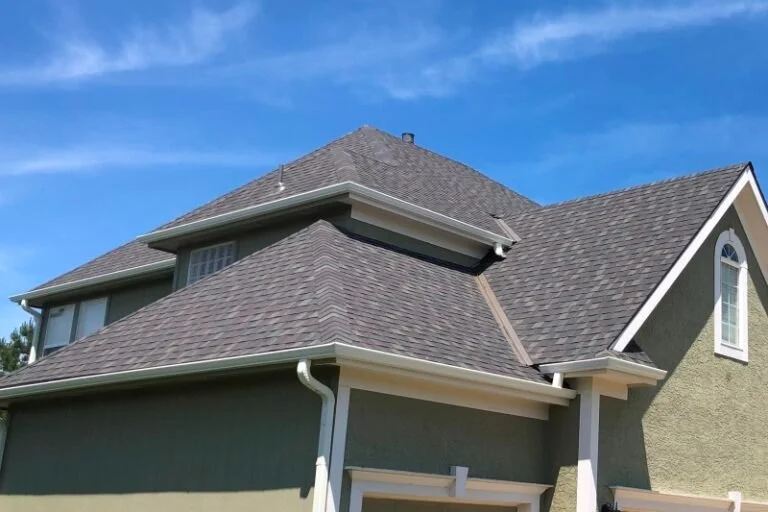
Roof pitch refers to the steepness or angle of a roof. It is typically expressed as a ratio, representing the rise (the vertical distance) over the run (the horizontal distance). The roof pitch is a critical factor in both the design and performance of the roof, as it affects drainage, the structural integrity of the roof, and even the type of roofing material that can be used. In simple terms, the higher the pitch, the steeper the roof.
Concord Roofing / roofing company richmond hill
Richmond HillRegional Municipality of YorkOntario
551 16th Ave, Richmond Hill, ON L4C 7A7, Canada
Why Roof Pitch Matters
Understanding roof pitch is important because it directly impacts several aspects of your home’s performance, including:
GoldHill Roofing / goldhill
526 Welham Rd Unit 1, Barrie, ON L4N 8Z7, Canada
1. Water Drainage and Snow Shedding
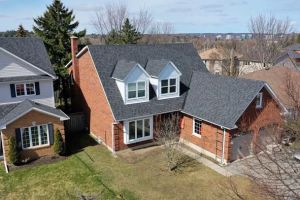
The pitch of your roof plays a crucial role in shedding water, snow, and debris. Steeper roofs tend to shed water and snow more effectively, which reduces the risk of leaks and ice dams forming during the winter months. In areas with heavy rainfall or snow, a steep roof pitch can be essential for preventing water damage to your home.
2. Aesthetic Appeal
Roof pitch also contributes to the overall aesthetic of your home. For instance, certain architectural styles, such as Gothic or Tudor, often feature high-pitched roofs for a dramatic effect. On the other hand, modern homes may incorporate low-pitched roofs for a sleek, minimalist look. The pitch of your roof can enhance or detract from your home’s curb appeal, so it’s important to choose the right pitch for the overall design of your property.
3. Roofing Material Selection
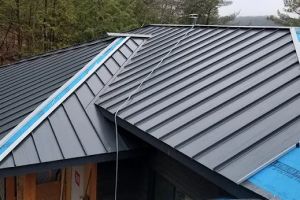
Not all roofing materials are suitable for every roof pitch. For example, asphalt shingles work well on moderate-pitched roofs but may not perform as well on very steep roofs. Conversely, metal roofing and tiles are excellent choices for steep-pitched roofs due to their ability to shed water and resist heavy snow accumulation. When considering a new roof, it’s essential to choose materials that are compatible with your roof’s pitch.
4. Energy Efficiency
The design of your roof can also impact your home’s energy efficiency. A steep roof with ample attic space can allow for better insulation, helping to maintain a more consistent indoor temperature. On the other hand, a low-pitched roof might result in less attic space, which can reduce the effectiveness of insulation and ventilation. Proper ventilation is important for maintaining energy efficiency, and roof pitch plays a role in determining how easily air can circulate through the attic.
How to Calculate Roof Pitch
Roof pitch is typically calculated using the formula: pitch = rise / run. For example, if the rise is 6 inches and the run is 12 inches, the pitch would be 6:12. This means the roof rises 6 inches for every 12 inches of horizontal distance. In most cases, the roof pitch is expressed as a ratio, such as 4:12 or 6:12.
Steps to Calculate Roof Pitch:
- Measure the rise, which is the vertical distance from the highest point of the roof to the eaves.
- Measure the run, which is the horizontal distance from the ridge (top) of the roof to the eaves.
- Divide the rise by the run to get the pitch ratio. If you want to express the pitch as a degree, use a pitch calculator or consult a roofing professional to convert the ratio to degrees.
Common Roof Pitch Types
Roof pitch can vary significantly depending on the architectural style and environmental conditions. Here are some of the most common roof pitch types:
1. Low Pitch Roofs (0-4/12)
Low-pitched roofs are often found in modern homes or buildings that prioritize a sleek, minimalistic aesthetic. These roofs typically have a gentle slope, making them less effective at shedding water and snow. In areas with heavy rainfall or snow, additional roofing materials such as rubber or modified bitumen may be used for better waterproofing.
2. Moderate Pitch Roofs (4/12-7/12)
Moderately pitched roofs are the most common in residential homes and offer a good balance between aesthetics, performance, and cost. They are suitable for a wide range of roofing materials, including asphalt shingles, metal roofing, and tiles. These roofs provide adequate water drainage and snow shedding without being too steep or difficult to maintain.
3. Steep Pitch Roofs (8/12 and above)
Steep-pitched roofs are typically found in areas with heavy snowfall or in homes with specific architectural styles, such as Victorian or Gothic. These roofs provide excellent drainage and snow shedding, but they require specialized roofing materials like slate, tiles, or metal. Steep roofs also offer more attic space and ventilation opportunities, but they can be more expensive to install and maintain.
Final Thoughts
Roof pitch is a key factor to consider when designing or renovating your home’s roof. It affects everything from water drainage and snow shedding to the aesthetic appeal of your home. Understanding the different roof pitch types and how they impact your roofing materials and energy efficiency will help you make informed decisions about your roof. Whether you’re building a new home or replacing an old roof, always work with a professional roofing contractor to ensure your roof pitch and materials are optimized for your specific needs.
If you need expert roofing services or advice on roof pitch and material selection, visit Pickering Roofing for the best solutions tailored to your home’s requirements.
 Chisholm Roofing1.0 (2 reviews)
 Sky City Roofing4.0 (15 reviews)
 Highlander Roofing5.0 (12 reviews)
 Réparateur De Toit 995.0 (1 reviews)
 Toiture Charlesbourg Inc5.0 (3 reviews)
 M Roofing5.0 (1 reviews)
 How Much Does a New Roof Cost in 2025? Canadian Roofing Price Guide
 Top Signs Your Roof Has a Leak and What to Do About It in Canada
 Can You Install a New Roof Over an Old One in Canada?
 The Top Questions to Ask Before Hiring a Roofer in Canada
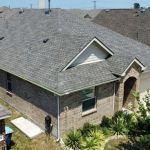 What Are the Most Common Roofing Scams and How to Avoid Them in Canada
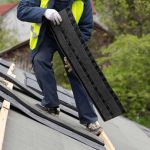 How to Prepare Your Home for a Roofing Project in Canada