
- what-is-roof-granule-loss
- causes-of-roof-granule-loss-in-canadian-climates
- how-granule-loss-affects-your-shingles
- signs-you-should-watch-for
- can-it-be-fixed-or-do-you-need-a-replacement
- real-case-in-ajax-ontario
- where-to-turn-pickering-roofing
1. What Is Roof Granule Loss?
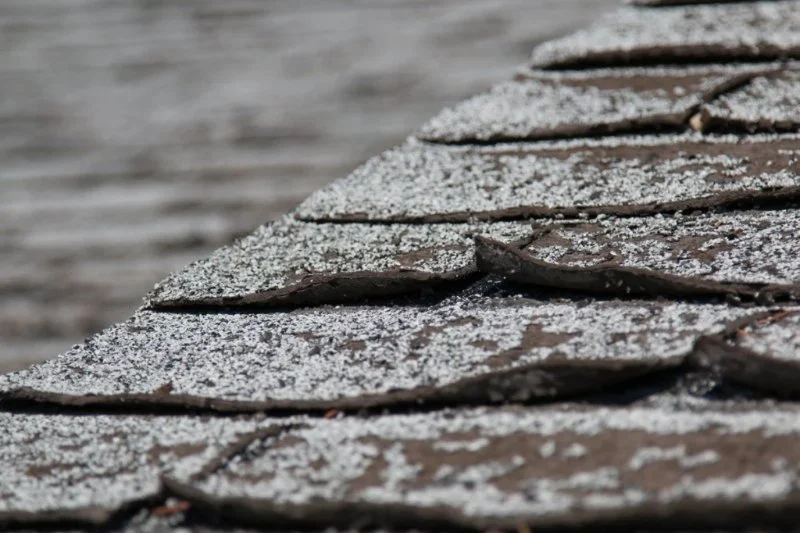
What does roof granule loss mean for your shingles? It's a question many Canadian homeowners don't consider—until they see those black or brown grains clogging their gutters or downspouts. Granules are the rough, sandpaper-like particles on asphalt shingles that provide UV protection and fire resistance, and enhance the roof’s color.
When shingles begin losing granules, it’s a sign that the roof is aging or has been compromised by environmental factors. While some granule loss is normal over time, significant or early-stage shedding could point to serious problems that shorten your roof's lifespan.
Lam Metal / lam metals
BurnabyMetro VancouverBritish Columbia
6962 Buller Ave, Burnaby, BC V5J 4V4, Canada
2. Causes of Roof Granule Loss in Canadian Climates
Canadian weather can be both beautiful and brutal. From heavy snow loads to spring hailstorms and wild summer heatwaves, your shingles take a beating year-round. These extremes accelerate granule erosion in several ways.

CentiMark Ltd. / centimark corporation
740 Huronia Rd Unit 9, Barrie, ON L4N 6C6, Canada
2.1 Freeze-Thaw Cycles
When snow melts and refreezes, it can force granules to loosen. This is particularly common in Ontario and Quebec, where rapid temperature fluctuations are the norm.
2.2 Wind and Hail Damage
Strong winds and hail can physically knock granules off, leaving the asphalt layer beneath exposed. Prairie provinces like Alberta often face such weather, putting their roofs at higher risk.
2.3 Poor Installation or Low-Quality Shingles
Sometimes granule loss stems not from weather but from the shingles themselves. Improper installation or cheap roofing materials can lead to premature deterioration, even within a few years of installation.
3. How Granule Loss Affects Your Shingles and Roof System
At first, missing granules may seem cosmetic—but the consequences go much deeper. Once those protective layers are gone, your shingles become vulnerable to sunlight, moisture, and physical damage.
3.1 UV Exposure
Granules act like sunscreen for your roof. Without them, the asphalt layer degrades rapidly under the sun's rays. This speeds up cracking, warping, and eventual failure of your roofing system.
3.2 Water Infiltration and Leaks
Bare shingles can absorb water, especially during rainy seasons or after snowmelt. Over time, this water can seep into the decking or attic, causing mold and wood rot.
3.3 Shortened Roof Lifespan
Granule loss is a clear sign your roof is aging faster than expected. In some cases, what should’ve been a 20-year shingle may need replacing after only 12 to 15 years if not addressed early.
4. Common Signs You Should Watch For
Knowing when to act is half the battle. Here are the signs that indicate granule loss is becoming a serious issue:
4.1 Granules in Gutters or at Downspouts
This is the most obvious and common sign. If you notice sandy particles collecting in your eavestroughs or below your downspouts after a storm, it’s time to inspect your shingles.
4.2 Shiny or Patchy Spots on Shingles
When shingles start to lose their coating, they often develop smooth or reflective areas. These bald patches are prone to further damage.
4.3 Discoloration or Uneven Aging
Granule loss can cause uneven coloration across the roof, making some areas appear lighter or faded. While subtle at first, it often points to deeper wear-and-tear issues.
5. Can It Be Fixed or Do You Need a Replacement?
The answer depends on the extent of the granule loss. Small, localized patches can sometimes be repaired by replacing individual shingles. However, if the issue is widespread across the roof, a full replacement may be the more cost-effective and long-term solution.
5.1 DIY Inspection vs. Professional Opinion
You can do a basic inspection using binoculars from the ground, but it’s safer and more effective to hire professionals. In Canada, where conditions vary drastically from province to province, expert evaluation ensures accurate diagnosis and timely action.
5.2 Consider the Roof's Age
If your asphalt roof is over 15 years old and showing signs of granule loss, you may be better off planning for a new roof rather than patching it temporarily.
6. Real Case: Granule Loss Discovery in Ajax, Ontario
A homeowner in Ajax noticed granules collecting in the driveway after a summer thunderstorm. At first, they dismissed it as dust. However, a closer inspection revealed large bald patches on several shingles.
A local expert confirmed widespread granule loss due to a combination of poor attic ventilation and extreme seasonal swings. They opted for a roof replacement using higher-grade shingles rated for Canadian winters. Their experience underscores how early intervention and quality materials can prevent further damage.
7. Where to Turn: Get Expert Help from Pickering Roofing
If you're asking yourself, "What does roof granule loss mean for my shingles?"—it's time to consult a professional. At Pickering Roofing, we provide expert roof inspections, shingle assessments, and complete replacement services tailored to Canadian homes.
Whether you're in Pickering, Ajax, or anywhere across Southern Ontario, our team can help you determine whether your granule loss is normal wear or a warning sign. Don’t wait for leaks or mold to appear—reach out to Pickering Roofing and take the guesswork out of roof care.

 All Axcess Roofing0.0 (0 reviews)
 Teddy's Roofing Pros0.0 (0 reviews)
 Azores Construction and Roofing Services Inc5.0 (3 reviews)
 Eagle Eye Roofing2.0 (8 reviews)
 Tactic Roofing Inc.4.0 (157 reviews)
 Charleswood Roofing & Exteriors4.0 (117 reviews)
 How Much Does a New Roof Cost in 2025? Canadian Roofing Price Guide
 Top Signs Your Roof Has a Leak and What to Do About It in Canada
 Can You Install a New Roof Over an Old One in Canada?
 The Top Questions to Ask Before Hiring a Roofer in Canada
 What Are the Most Common Roofing Scams and How to Avoid Them in Canada
 How to Prepare Your Home for a Roofing Project in Canada