
- What is Roof Ventilation?
- Risks of Poor Roof Ventilation
- Condensation Problems in Poorly Ventilated Roofs
- Mold and Rot Issues from Poor Ventilation
- How to Prevent Roof Damage from Poor Ventilation
- Case Study: The Effects of Poor Roof Ventilation
What is Roof Ventilation?
Roof ventilation is the process of allowing air to flow freely through the attic space to regulate temperature and humidity levels. Proper roof ventilation ensures that hot, humid air is expelled from the attic while cooler, drier air is drawn in. This process helps maintain the integrity of the roofing materials and supports energy efficiency in the home.
Ventilation is achieved through a combination of intake vents, typically located near the eaves of the roof, and exhaust vents near the ridge or peak. This creates a natural flow of air, which helps to keep the attic dry and prevents the buildup of moisture, which could cause significant issues for your home’s structure and roofing system.
J.R. Trory & Company Ltd / burrard roofing & drainage
North VancouverMetro VancouverBritish Columbia
1443 Crown St, North Vancouver, BC V7J 1G4, Canada
Risks of Poor Roof Ventilation
If roof ventilation is poor or improperly installed, it can lead to a variety of significant issues. Poor airflow causes hot air and moisture to become trapped in the attic, which can have a detrimental effect on your roof and the overall health of your home. Below are some of the key risks of poor roof ventilation:
- Condensation Buildup: When moist, warm air is trapped in the attic, condensation occurs, which can lead to a variety of issues including mold growth, rust, and wood rot.
- Mold and Mildew Growth: Poor ventilation can create the ideal environment for mold and mildew to thrive, potentially affecting the health of your family and damaging your roof structure.
- Roof Decay: Prolonged exposure to excess moisture can accelerate the deterioration of your roofing materials, leading to costly repairs or even early roof replacement.
Condensation Problems in Poorly Ventilated Roofs
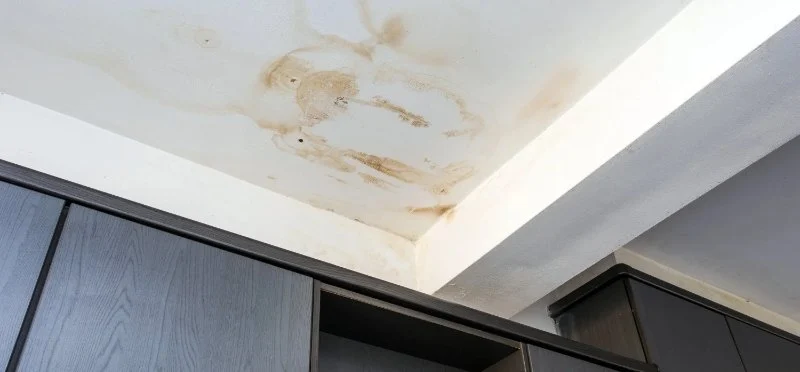
One of the primary issues caused by poor roof ventilation is the buildup of condensation. In an attic without proper ventilation, moisture from daily activities such as cooking, bathing, or even the natural humidity of your home can collect in the attic space. This excess moisture condenses on the underside of the roof deck, leading to water pooling in areas where it shouldn’t be.
If this condensation problem is left unchecked, it can lead to further complications such as:
- Water Staining and Damage: Over time, the moisture can seep into the roof structure and cause water stains on ceilings, walls, and even on insulation.
- Structural Damage: Continued exposure to moisture weakens the roof decking, rafters, and insulation, causing the roof to deteriorate prematurely.
- Increased Energy Costs: As condensation impacts the insulation, it loses its effectiveness, making your home harder to heat or cool, thus increasing your energy bills.
Mold and Rot Issues from Poor Ventilation
Moisture buildup in poorly ventilated roofs creates an ideal environment for mold and mildew to grow. These fungi thrive in damp, dark environments, and if left unchecked, they can cause significant damage to the roofing structure and present serious health risks to the inhabitants of the home.
The effects of mold and rot in the attic can include:
- Mold Spores in the Air: Mold releases spores into the air, which can circulate throughout your home, potentially leading to respiratory issues, allergies, and asthma in residents.
- Weakened Roof Structure: Prolonged exposure to mold and rot causes wood to weaken and disintegrate, making the roof more susceptible to collapse under pressure or during a storm.
- Higher Repair Costs: Treating mold and rot can be costly, especially if the damage is extensive. Addressing the problem early can save you from major expenses later on.
How to Prevent Roof Damage from Poor Ventilation
Ensuring that your roof is properly ventilated can save you from expensive repairs and health risks caused by moisture buildup. Here are some steps you can take to prevent roof damage from poor ventilation:
- Install or Upgrade Ventilation: If your home doesn’t have proper ventilation, or if it’s been improperly installed, it’s important to consult a professional roofer to add or upgrade intake and exhaust vents.
- Regular Roof Inspections: Schedule periodic roof inspections to check for signs of poor ventilation such as water stains, mold, or damaged roofing materials.
- Proper Insulation: Ensuring your attic is properly insulated can help regulate temperature and prevent moisture from accumulating in the attic. Proper insulation helps maintain the balance of heat and moisture, which is essential for efficient ventilation.
Case Study: The Effects of Poor Roof Ventilation
In a recent case, a family in Ontario noticed an increasing number of water stains on their ceiling during the winter months. Despite the appearance of the stains, they couldn’t figure out the source of the moisture. After consulting with a roofing professional, it was determined that their roof ventilation was inadequate. The attic was trapping warm, moist air, leading to condensation that caused water stains on the ceilings and walls below.
To solve the issue, the family had additional roof vents installed and the attic was properly insulated. After the work was completed, the water stains stopped appearing, and the house became much more energy-efficient. The family also noticed a decrease in their energy bills and avoided further costly repairs related to mold and roof decay.
This case shows how important roof ventilation is for protecting your home from long-term damage. Proper maintenance of your roof and ventilation system can help you avoid costly repairs and ensure your home stays safe and comfortable year-round.
 All Seasons Roofing & Renovations4.0 (54 reviews)
 Rhino Roofing and building3.0 (1 reviews)
 T-CON METAL SYSTEMS3.0 (6 reviews)
 Active roofing and construction1.0 (1 reviews)
 Morin Insulation & Roofing Ltd4.0 (26 reviews)
 Les Toitures Charette Roofing Inc4.0 (18 reviews)
 How Much Does a New Roof Cost in 2025? Canadian Roofing Price Guide
 Top Signs Your Roof Has a Leak and What to Do About It in Canada
 Can You Install a New Roof Over an Old One in Canada?
 The Top Questions to Ask Before Hiring a Roofer in Canada
 What Are the Most Common Roofing Scams and How to Avoid Them in Canada
 How to Prepare Your Home for a Roofing Project in Canada